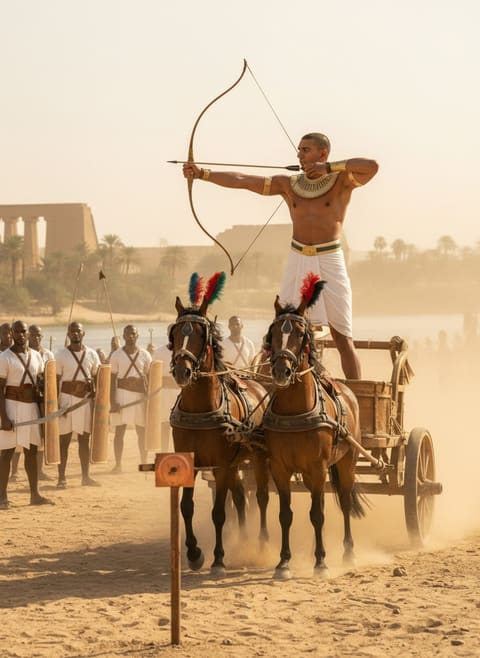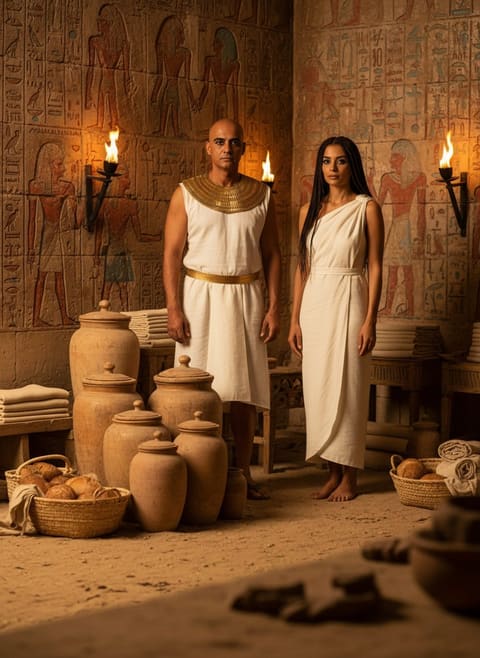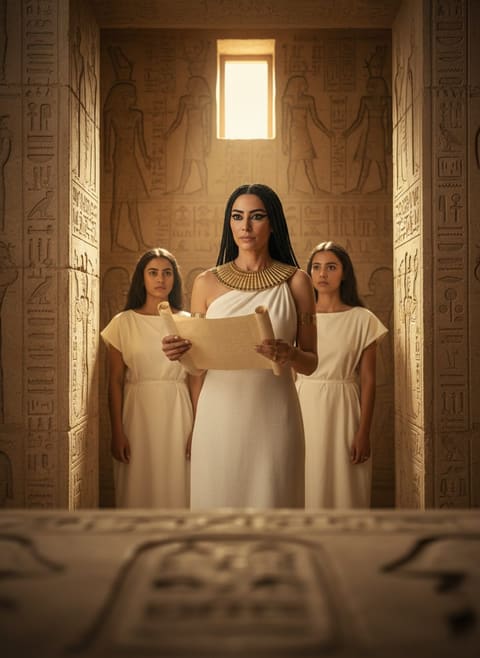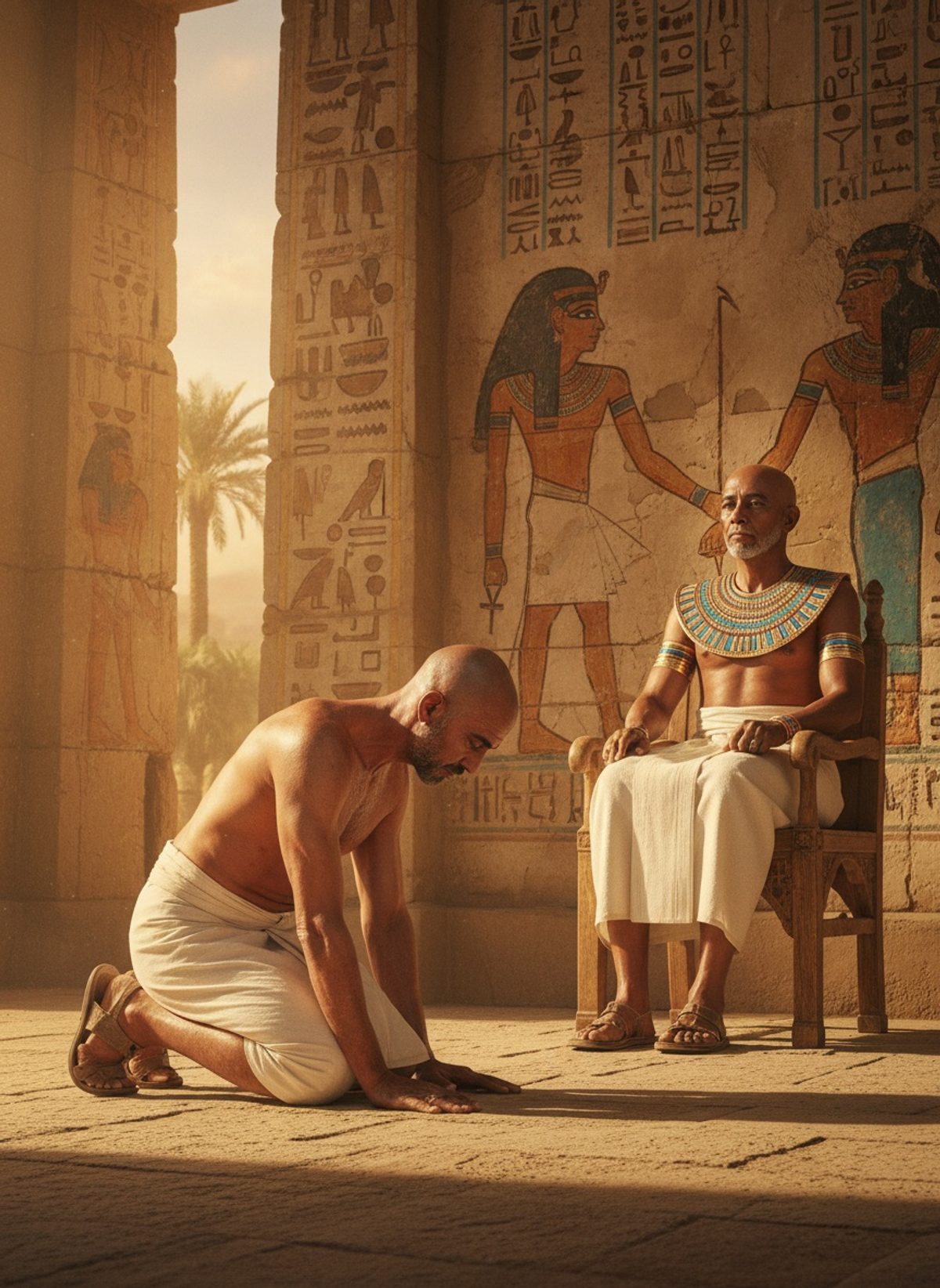
Sinuhe fled Egypt in fear for his life. Ironically, it was a decision that haunted him more than anything he left behind.
A Moment of Panic
Around 1956 BC, Sinuhe found himself among the elite of Egypt, serving as a royal official during the reign of Pharaoh Amenemhat I. The Pharaoh's court was a place of opulence and intrigue; the corridors were filled with whispers that could decide the fate of men. Sinuhe, trusted and respected, knew his position granted him both honor and danger. Yet, even in this high-stakes environment, he could not have anticipated the impact of a few overheard words. Fate struck swiftly on the day Pharaoh Amenemhat I was assassinated. Amid the chaos following the ruler's unexpected death, Sinuhe was swept into an unforeseen turmoil.
It was those moments of overhearing secretive conversations about the political upheaval that forced Sinuhe's hand. Stricken with the certainty that his loyalty might be wrongly questioned, he made a hasty decision: to run. The decision to flee was made in the blink of an eye, a moment of desperation that launched him into the barren expanse of the desert. Alone and without a plan, Sinuhe left behind all that was familiar and beloved.
A New Life in Exile
Survival was the only objective as Sinuhe navigated the treacherous landscape. He wandered into Canaan, a land of hospitality and strangeness. What began as an evasion of danger turned into a new chapter among foreign tribes. The oases of Canaan became his sanctuary, with each settlement offering different customs and friendships. Over time, the Egyptian fugitive was no longer a stranger but a leader, respected and influential among the Asiatic tribes he called his own.
Read next: Kha Sealed the Tomb. His Wife Was Beside Him.
Sinuhe's life in exile was one of reinvention. He married into a powerful local family, further cementing his status and influence. His wealth grew, and with it, a sense of accomplishment that soothed the rawness of exile. Yet, amid the feasts and conquests, a quiet longing lingered. The desert night skies reminded him of the Nile, of home, of the life he had not yet forsaken in his heart.
Yearning for Home
Two decades passed, decades in which Egypt never once departed from Sinuhe's soul. The celebration of new alliances, victories in battle, the birth of children—all were cloaked in a veil of nostalgia. The lands he ruled as a foreign lord could never fill the void left by homesickness. The compulsion to return to Egyptian soil became overwhelming, manifesting in dreams of Cairo's monumental splendors and the sacred river that shaped his upbringing.
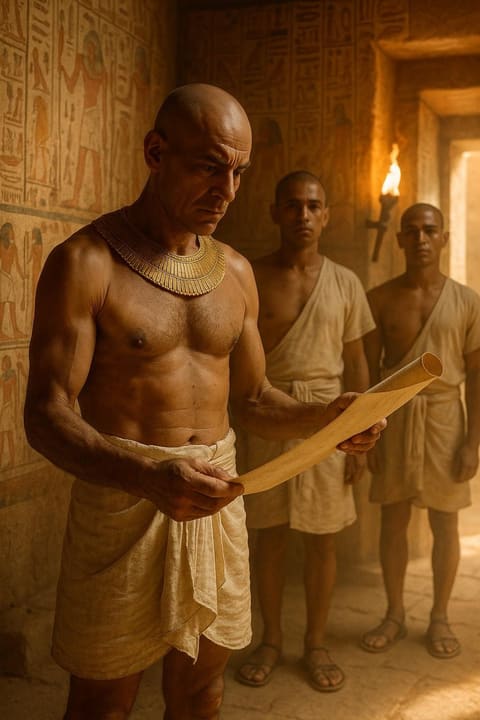
Sinuhe's yearning took the form of eloquent letters penned to Pharaoh Senusret I, Amenemhat's successor. Each word was laced with both hope and humility, depicting his desire to reconcile the past with the present. Sinuhe, the mighty chief in exile, yearned for nothing more than the grace of a Pharaoh to return an old man's body to the land it belonged to. Pharaoh Senusret’s benevolence was not immediate, but eventually, Sinuhe's heartfelt pleas reached a sympathetic ear.
Return to Egypt
The permission to return came as both relief and trepidation. The journey back to Egypt was not just a geographical one; it was a path back to an identity, a past life once abandoned but never forgotten. When Sinuhe finally crossed Egypt's borders, time seemed to weave a tapestry of memories and reality. The familiar sights, long recalled only in dreams, now welcomed him as a prodigal son.
Read next: Thutmose III's General Stood Before the Gates. He Opened Them.
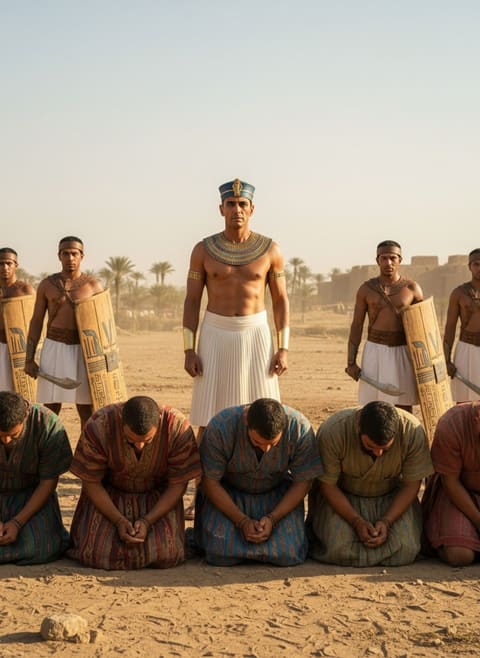
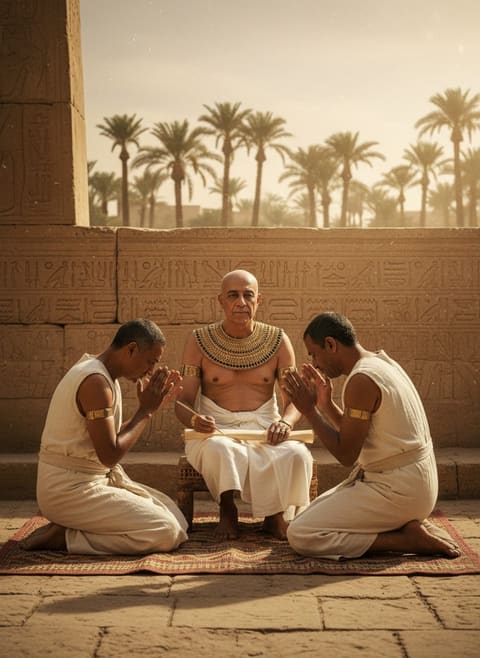
The Egyptian court, to Sinuhe’s surprise, was forgiving. Pharaoh Senusret I extended a magnanimous welcome, bestowing upon him a place of honor. The courtier who once fled in fear now walked the palatial halls with pride. His royal reinstatement reflected not only personal triumph but also the enduring principles of forgiveness and reconciliation inherent in ancient Egyptian culture.
A Legacy of Redemption
Sinuhe's story, though set in the ancient past, reverberates through history as a tale of human resilience and redemption. Thousands of years ago in the Middle Kingdom, it was not an uncommon ambition to die in the land of one's birth. Sinuhe's life encapsulates the universal quest for belonging, for homecoming despite the passage of time and changes in fortune.
This narrative, preserved as one of the earliest examples of Egyptian literature, communicates values profoundly resonant even in our time: the complexity of identity, the weight of choices made in fear, and the unyielding pull of home. Sinuhe's journey emphasizes that reconciliation is possible and that the places and identities we embrace in our lifetimes, no matter how changed by circumstance, remain indelibly stamped upon our souls. His return to Egypt illustrates the timeless truth that sometimes the greatest adventures lead us back to where we began.