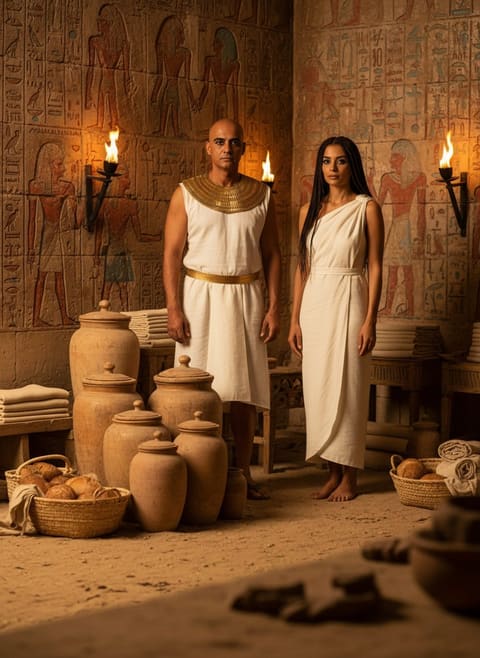
The sun beat down mercilessly over the sprawling sands of ancient Egypt, casting sharp shadows from the mighty stone monuments that lined the Nile. The air shimmered with heat, and the call of distant birds was almost lost beneath the grumbling currents of the great river. Yet beneath this tranquil, sunlit façade, Egypt was a land teetering on the brink of chaos. An empire long famed for its stability and divine order was now confronting the profound scars of its recent past—an era of upheaval in both politics and religious life, spawned by a sequence of brief, tumultuous reigns.
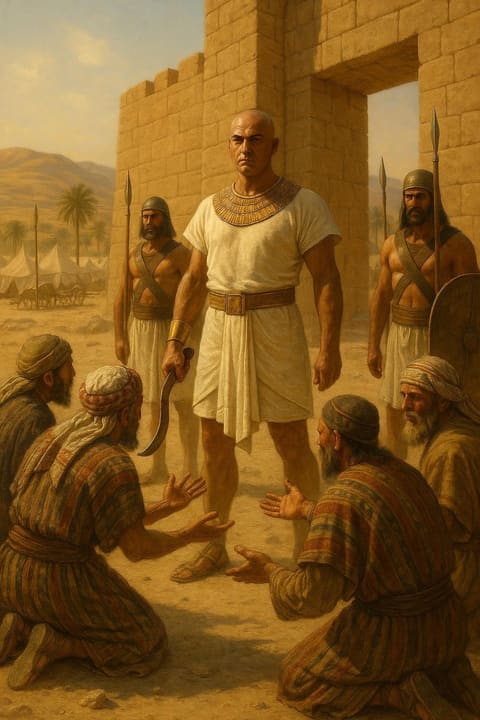
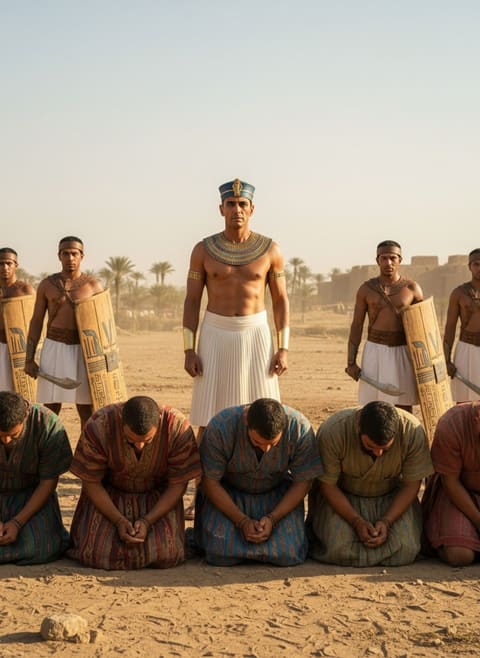
The air was thick with the anticipation of change. After the death of Tutankhamun, Pharaohs Smenkhkare, Neferneferuaten, and Ay each claimed the throne in rapid succession, only to leave behind little legacy beyond confusion and fracture. It was into this swirling maelstrom that a bold figure, a man of common origins and tempered in battle, strode forth to reclaim the stability of old. Horemheb, once a commanding general, now seized the throne of the Two Lands and with it, the opportunity to rewrite the narrative of Egypt's divine kingship.
Horemheb's rise, rooted not in noble birthright but in personal merit, began years earlier in the reign of Amenhotep IV—later known as Akhenaten—when radical changes swept through Egypt, overturning age-old religious traditions. Egyptologists believe Horemheb was likely an astute observer of these dramatic shifts. By the time Tutankhamun restored the old pantheon, Horemheb's political acumen earned him proximity to power, notably serving at the young king’s side, as evidenced by poignant depictions in his own tomb chapel at Memphis.
As Commander-in-Chief of the army and advisor, Horemheb wielded influence that extended beyond the battlefield. He led crucial diplomatic missions, securing the borders that had become precarious during the religious and political turmoil of Akhenaten's reign. Yet, even amidst his ascent, the young Pharaoh had been ensnared in the vortex of his forebear's religious experimentation, leaving Egypt’s vital cultural fabric threadbare and its people at odds with each other.
Read next: Amenhotep Son of Hapu Turned Away the Pharaoh. For the Poor.
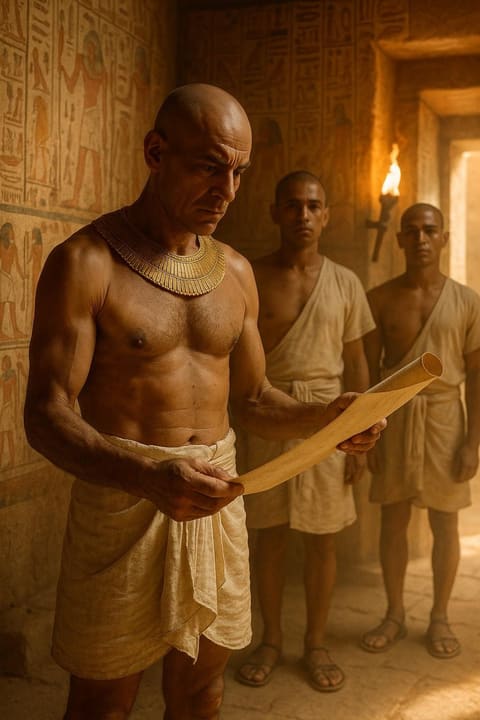
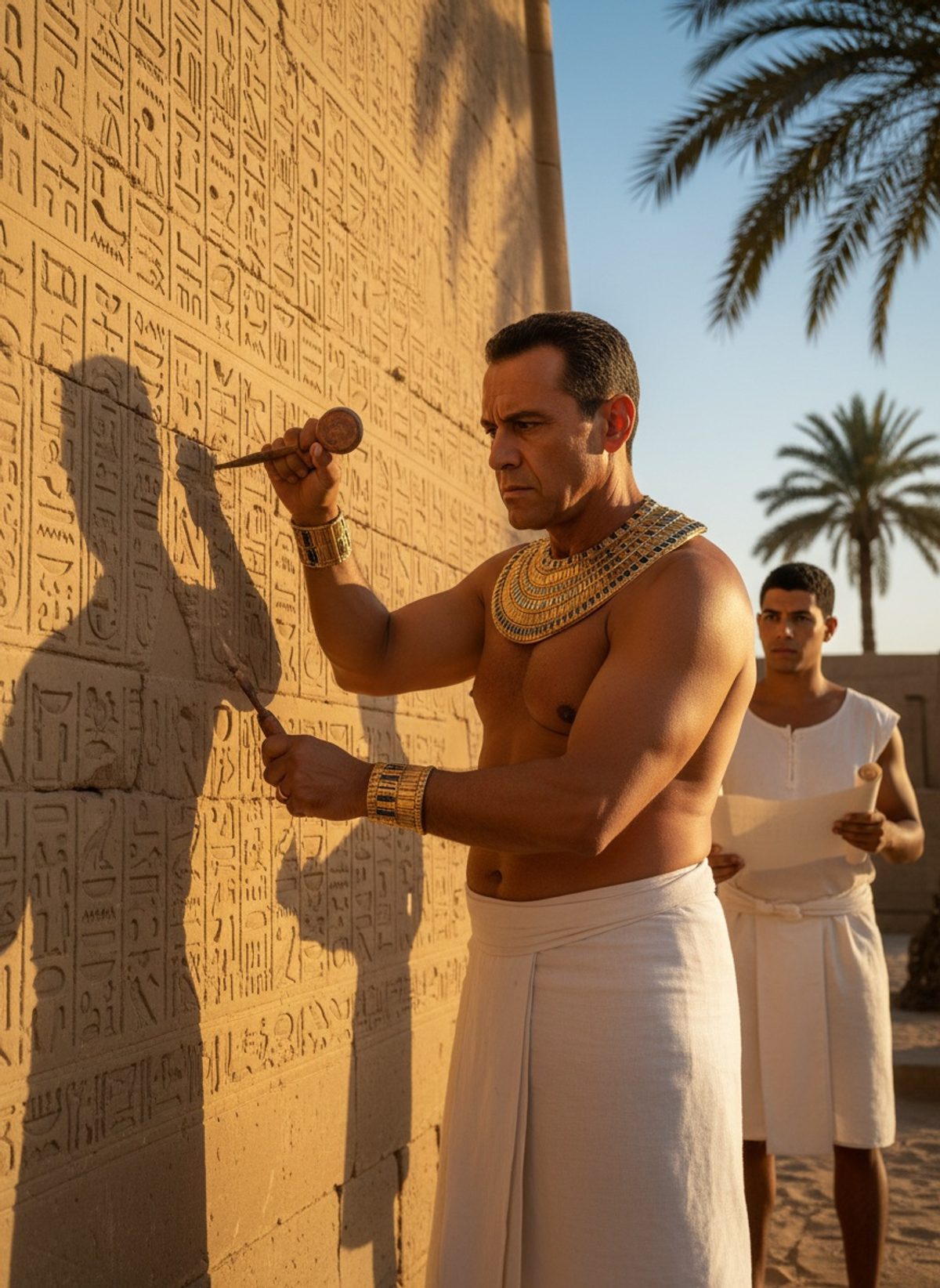
Horemheb's accession to the throne came with titles that spoke of both reverence and resolve. Known as "Mighty Bull, Ready in Plans," his rule heralded the end of the Amarna chaos and a return to revered cultural traditions. To achieve this restoration, however, Horemheb embarked on a path that would alter not just the future but also the very perception of Egypt's recent past. His was an audacious plan to etch his authority into eternity itself: he set about erasing the legacy of his predecessors by physically obliterating their names from Egypt's grandest artefacts.
This campaign of erasure was as symbolic as it was strategic. Akhenaten, whose monotheistic worship of the Aten had been an unprecedented religious divergence, was among the first to face Horemheb’s chisels. Temples and statues honoring the Aten scattered across the landscape were pulled down, their stones repurposed for monuments that now celebrated the pantheon of traditional deities. Horemheb's actions were not just punitive but reparative; he sought to repair the universe itself by reaffirming Ma'at, the ancient Egyptian concept of truth, balance, and harmony.
Read next: Kha Sealed the Tomb. His Wife Was Beside Him.
Tutankhamun and Ay, the unstable strings of interim rule, similarly fell to the sweeping hand of historical revision. Horemheb usurped their monuments, sculpting inscriptions anew to bear his own name, turning these symbols of inexpedient reigns into tributes of his enduring kingdom. The physical eradication of these rulers was mirrored by their removal in archival memory—future king lists would gloss over their reigns entirely, threading Egypt's history seamlessly from the prosperous 18th Dynasty to Horemheb's stabilization efforts.
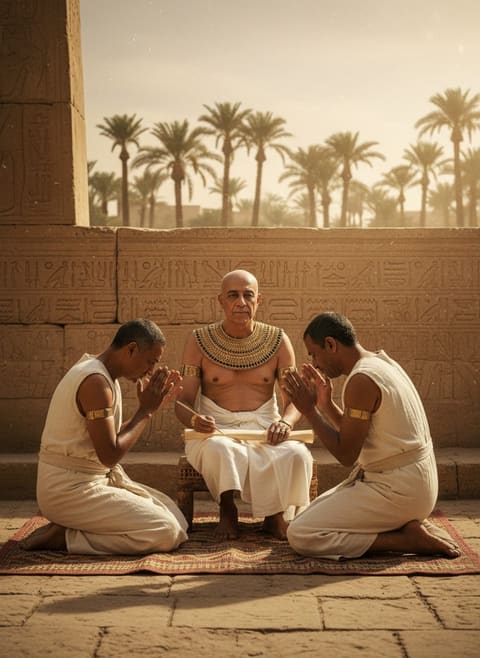
It would seem a singular peculiarity of Horemheb's reign that he, possessing no sons to inherit the throne, ensured the continuity of his reforms through an unlikely but illustrious choice. His trusted vizier, Paramessu, named Ramesses I, would take up the mantle, inaugurating a new dynasty—the 19th—that would bring about one of Egypt's most prosperous and stable periods. As a result, the narrative of his predecessors faded into the obliging shadows of history, while Horemheb stood exalted as the restorer of order.
The echoes of Horemheb's erasures invite us to ponder deeper questions about the legacy of power and memory. His reign reminds us how history itself is often forged — not just recorded — by those who claim victory in the chaotic struggles of their time. The tale of Horemheb's rule provides a riveting lens into the constant reshaping and maintenance of empires that rely on the narratives their leaders choose to propagate. Such extreme measures to rewrite the past intrigue us even today, compelling us to consider how the stories we inherit are crafted by decisions made not merely on the field of battle, but carved deep into the stones of cultural memory.