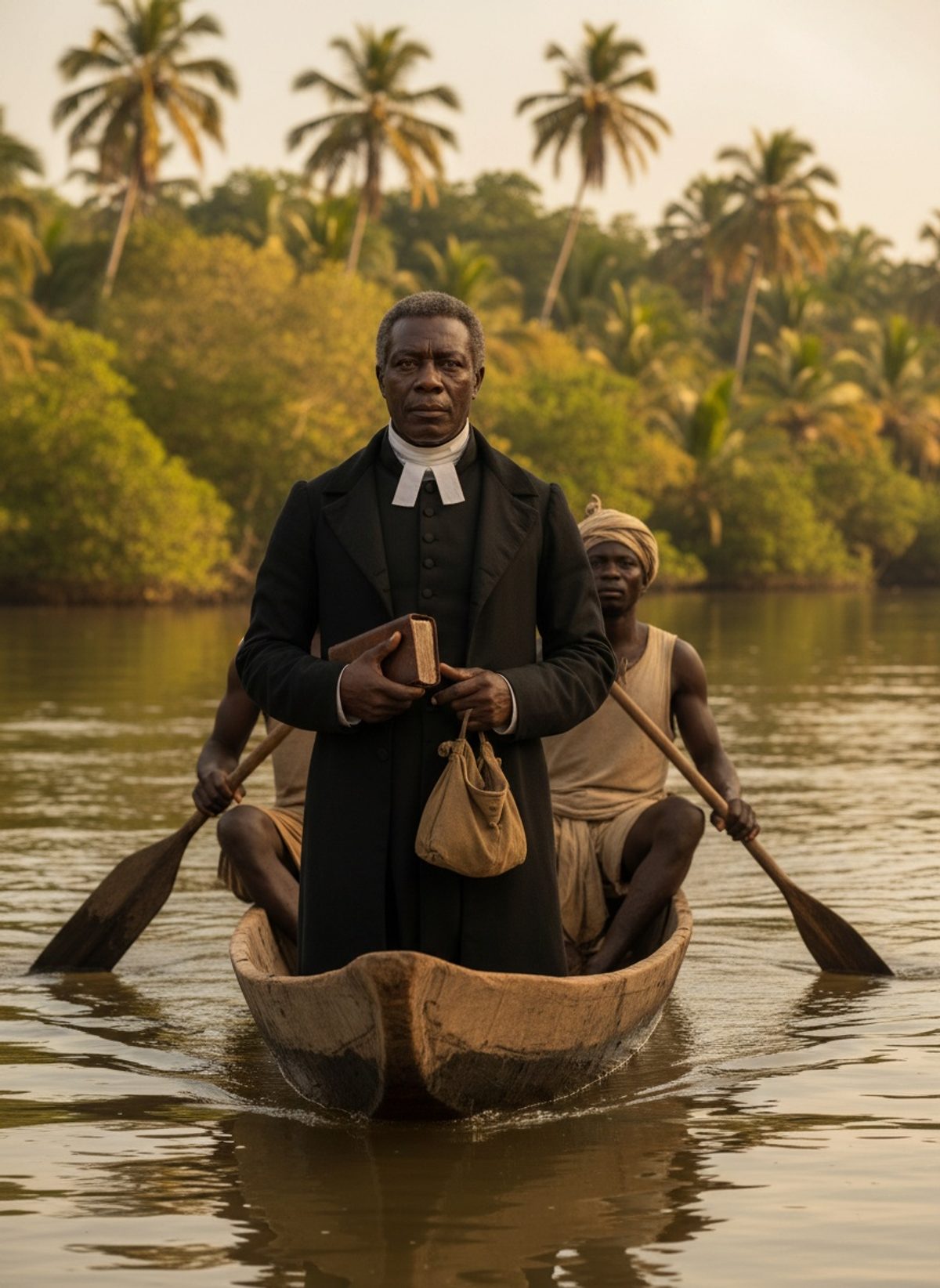
The early morning light filtered through the dense canopy of trees, casting dappled shadows on the waterlogged ground below. The air in the Niger Delta hung thick with humidity, wrapping itself around everything in a stifling embrace. It was a landscape teeming with life; the distant calls of birds mixed with the buzzing of insects, creating a symphony of nature's rhythms. Yet, this vibrant backdrop had long been overshadowed by its darker history — the relentless tide of the Atlantic slave trade that had once swept tens of thousands from these shores. Into this complex tableau walked a lone figure, a man whose very presence defied the narrative of oppression and loss that had for so long defined this place.
Samuel Ajayi Crowther, armed only with the scripture, was not merely a missionary setting foot in foreign land; he was, in many ways, returning home. Torn from his Yoruba village as a boy, sold into the brutal life of a slave, Crowther's life trajectory had been violently altered. Yet through a series of extraordinary events, involving liberation by the British Navy and education at the hands of British missionaries, the once-enslaved boy rose to become the first African bishop of the Anglican Church. In 1857, standing on the cusp of the burgeoning "Scramble for Africa," Crowther returned to the Niger Delta, not as a victim shackled by his past, but as an emissary of hope, forging connections through shared language and faith.
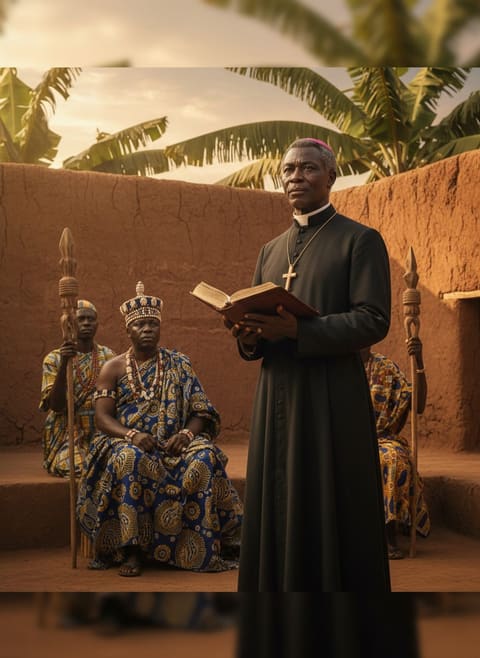
As Crowther pressed into the heart of the Delta, the enormity of his task loomed large. His journey, devoid of soldiers and guns, spoke volumes in stark contrast to the methodology of colonial powers that carved through the continent with aggression and force. Crowther’s arsenal consisted of fluency in Yoruba and a deep understanding of the cultures and tribes that governed this labyrinthine delta. He cut an unusual figure; where others might see peril, he saw potential. The chiefs who ruled these lands had neither heard the Gospel nor ventured beyond the bounds of their established traditions. To them, he wasn't the visage of colonization but a bridge to understanding and dialogue.
Each step Crowther took along the winding paths seemed to evoke the spirits of those who came before him, whose dreams and histories were rooted in this soil. The relationship between the church and Africa had been marred by hypocrisy and aggression, yet Crowther’s mission was to cultivate something different. He engaged with local leaders not from a place of superiority but through mutual respect and cultural appreciation. He was known to first listen, absorbing the stories of his hosts before ever turning to his own.
Read next: When Frederick Lugard Lit a Lamp in the Dark at Nikki, 1894
In villages where he spoke, many paused in their daily tasks to witness this rare occurrence — a man of God speaking in their tongue. This act of respect resonated deeply, inviting curiosity and sparking dialogue. Crowther’s approach was methodical and tender, each interaction paving a stepping stone towards a new form of connection that eschewed alienation. Conversion was not a conquest but a shared journey towards enlightenment, removing barriers of misunderstanding and building communities based on shared faith.
Crowther’s life was a testimony to perseverance in the face of overwhelming odds. Born Ajayi, his life twisted abruptly when he was kidnapped in 1821. Many trials followed, yet each challenge propelled him further on his path. He transferred his formidable adaptive skills honed from his tumultuous life into empathy and resilience, qualities that ultimately became his guiding light in navigating the complexities of the Niger Delta. He moved with humility, never demanding conversion, but instead offering glimpses of a life renewed through faith.
Read next: When Frederick Lugard Marched Into Buganda Alone, 1890
The impact of Crowther’s journey is ultimately found not in numbers or fast conversions but in the ripple effect of his respectful engagement with African cultures. His work set foundational stones for the progressive movement of cultural and religious synthesis, that would later shape the region's spiritual landscape. As a diplomat in dogma, Crowther demonstrated that the gospel could be both African and Christian without losing the essence of either.
Despite the heavy burdens of history, Crowther traversed his life with a quiet defiance, one that resonated just as powerfully in the corridors of white authority as it did in the hearts of those he met across the Delta. By walking alone, he challenged the conventional assumptions of his time, offering a powerful alternative to imperial dominance — one where indigenous voices could not only be heard but be paramount in reshaping their own destinies.
At a time when Africa was seen as a land to conquer, Samuel Ajayi Crowther set forth an alternative path rooted in reconciliation and mutual respect. His story offers a compelling reflection on the transformative power of empathy, dialogue, and faith. As we look back, his singular journey into the Niger Delta stands as a testament to the enduring human spirit; a reminder that change does not come only by force but through understanding, compassion, and the courage to walk alone. It is a story that resonates today, calling us all to look beyond the lines drawn by history and to see the potential for bridge-building. Perhaps, in retelling his walk into the Delta, we too can take a step toward bridging our divides.