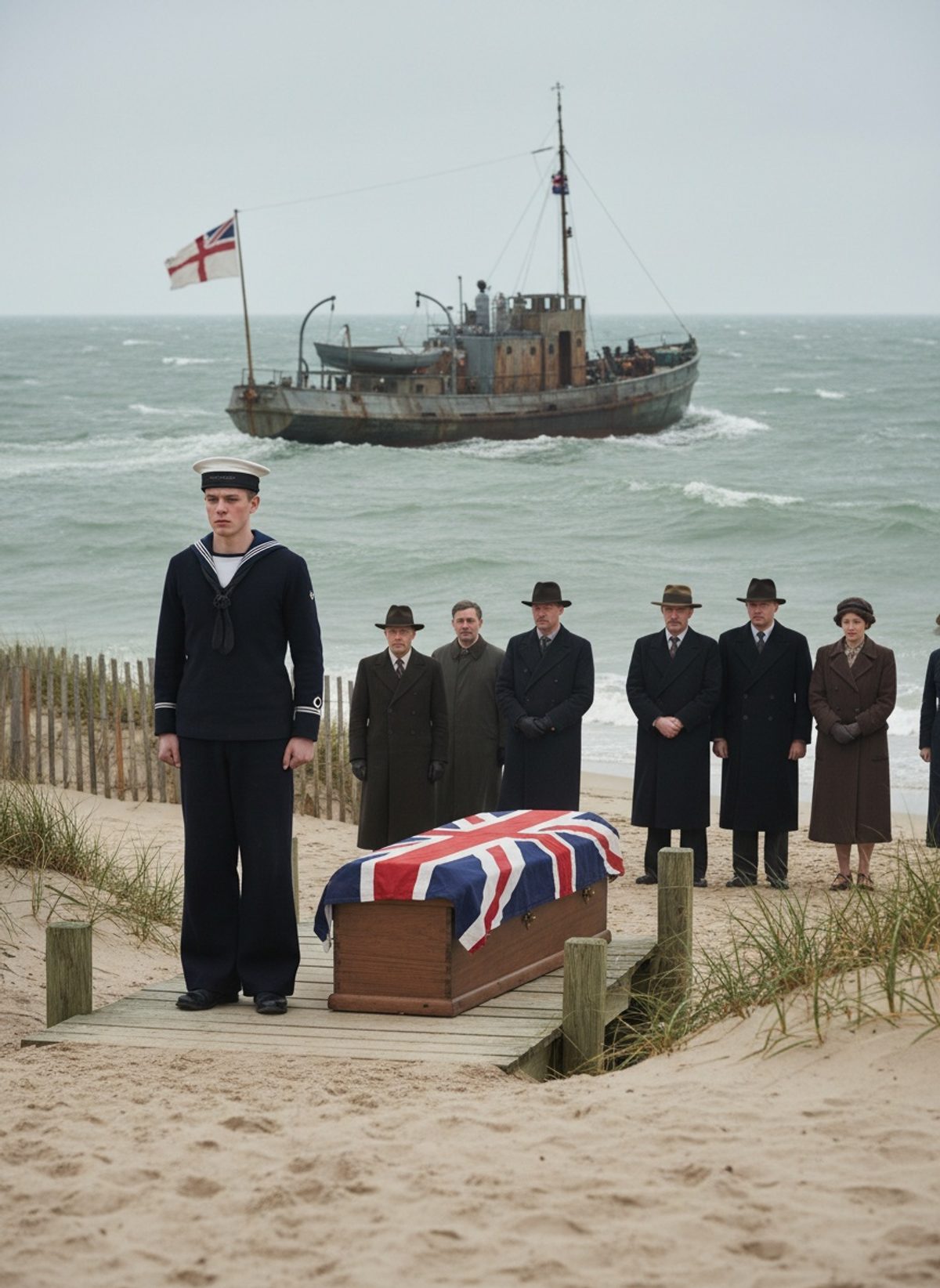
HMS Pathfinder was the pride of the Royal Navy. It was also tragically vulnerable, a fact discovered in an unimaginably short span of nine minutes.
The Dawn of Unseen Warfare
On September 5, 1914, as the burgeoning clamor of the First World War reverberated through Europe, the HMS Pathfinder plied the waters of the North Sea with a bold assurance. Its crew, 259 strong, was blissfully unaware that a monumental shift in naval warfare was about to unfurl beneath the stillness of the early morning waves. To the untrained eye, these waters seemed placid, yet they concealed the presence of a German U-boat, determined and methodical in its lethal mission.
Submarine warfare was still in its infancy; submarines, often dismissed as novelties, had not yet proven their lethal potential on a significant scale. It was under these circumstances that the German U-boat commander saw an opportunity not merely to sink a ship but to change history's course with a single, self-propelled torpedo. When the weapon struck the HMS Pathfinder amidships, it was not just an attack; it was the birth of a new era of war. The enduring legacy of that day lies in its suddenness—a realization of danger that came far too late.
Seconds Turned to Tragedy
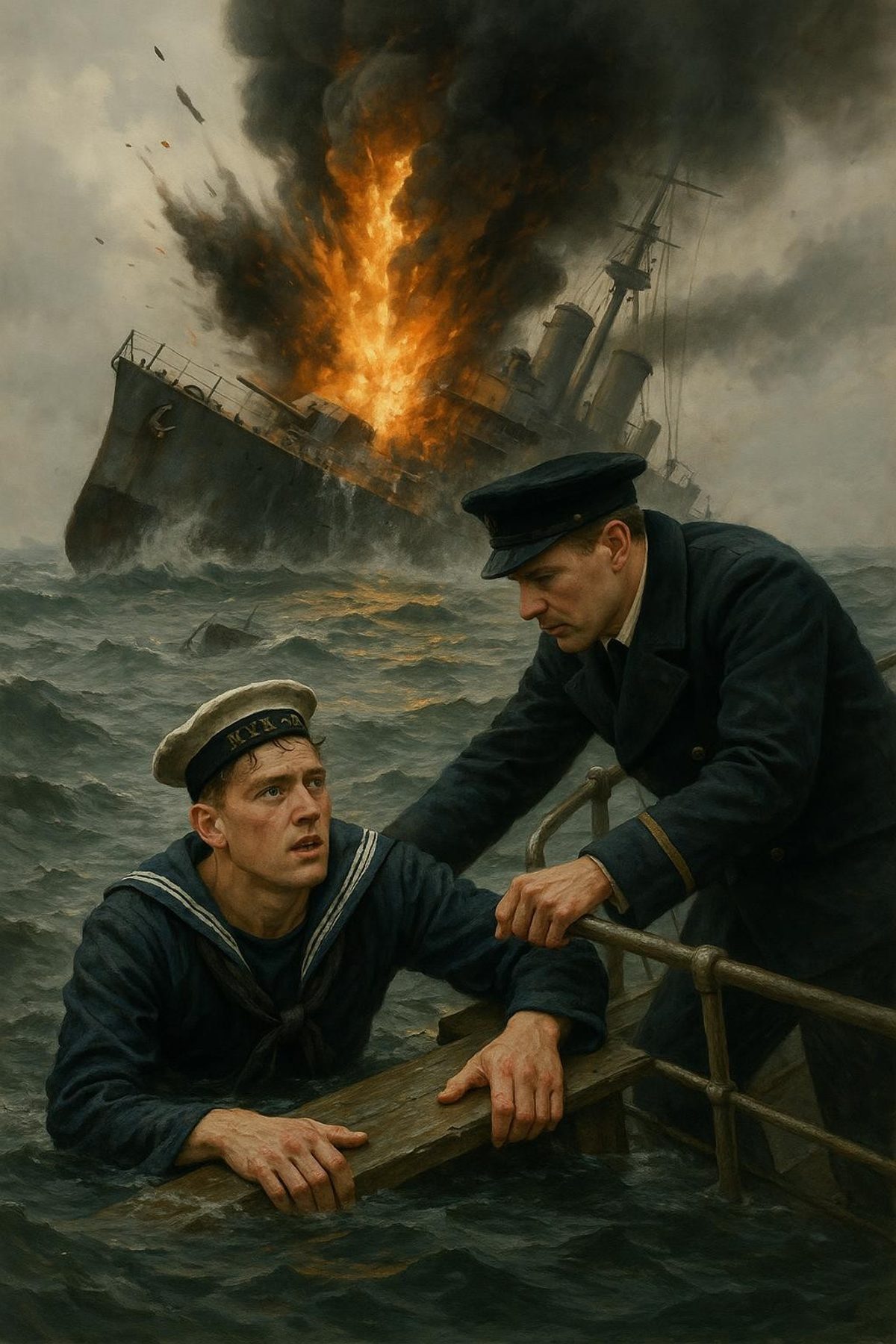
The torpedo found its mark with a precision that was as devastating as it was clinical. What followed was an explosion that rattled the very heavens. The roar as the torpedo ignited the ship's magazine was heard for miles, a harbinger of the calamity that heralded the loss of the Pathfinder. For those on board, there was no time for heroics, no moment to reflect on the mortal peril they found themselves in. The ship, once a proud bastion, was engulfed in chaos and flames.
Read next: When British Intelligence Turned a Stately Home Into a Confessional, 1942
The sea engulfed HMS Pathfinder with a merciless speed. Nine minutes was all it took for the North Sea to extinguish the lives of 259 souls. Survivors—those few fortunate enough to be catapulted into the icy embrace of the waters—witnessed the once-mighty vessel slipping beneath the waves, leaving behind nothing but oil slicks and debris. For those who managed to survive, it was a grim baptism by fire, and saltwater, heralding the harrowing potential of the age of submarine warfare.
Echoes of Loss
In the immediate wake of the attack, HMS Pathfinder became more than just a loss; it was a clarion call to navies across the world. The loss highlighted not only the vulnerability of surface ships in this new form of warfare but also the ruthless efficiency of submarines when wielded effectively. As word spread of the attack, it reverberated in the hallways of naval strategists, forcing a reassessment of naval tactics that had been rooted in battles of visibility and direct engagement.
The fate of the HMS Pathfinder impacted military thinking profoundly, with nations recognizing the dire need for anti-submarine strategies. No longer could surface ships roam the seas complacently; there was an invisible predator beneath the waves, awakening in sailors a new kind of dread—the fear of the unseen, the unheralded strike. As navies scrambled to develop technologies to detect and combat submarines, a pivotal shift in maritime warfare unfolded, dictated by the echoes of an unprecedented loss.
The Unseen Legacy
The few survivors of HMS Pathfinder bore witness to the fragility of life at sea, a poignant reminder that even the most fortified warships were not impervious to the innovations of the enemy. This was a new reality, one that shipbuilders and naval tacticians would grapple with throughout the First World War and beyond. While submarines would come to terrorize and redefine naval engagement, the memory of Pathfinder's rapid sinking etched itself into the naval psyche, building a mosaic of vigilance and change.
The story of HMS Pathfinder is not merely a tale of destruction; it is the narrative of evolution in a world at war. It serves as a sober line in the history books, a visceral reminder of how swiftly the tides of warfare could shift and the relentless march of technological progress could overturn centuries of naval tradition. In remembering Pathfinder, we confront the truth that in war, as in life, the veil of security can be torn asunder in an instant, leaving lessons that resonate across generations. In nine minutes, history pivoted, and an empire had to heed the call to an unseen adversary lurking below the waves. Such are the legends that textbooks often leave untold.