The November sun hung low over Lucknow, casting long shadows across the heavily battered cityscape. Dust clung to the air, carrying the acrid scent of gunpowder and charred timber, as the distant crackle of musket fire interrupted the eerie calm. Within this bastion of chaos and resilience, the stakes were staggeringly high: the besieged Residency, its defenders nearly succumbing to a relentless five-month onslaught by mutineers.
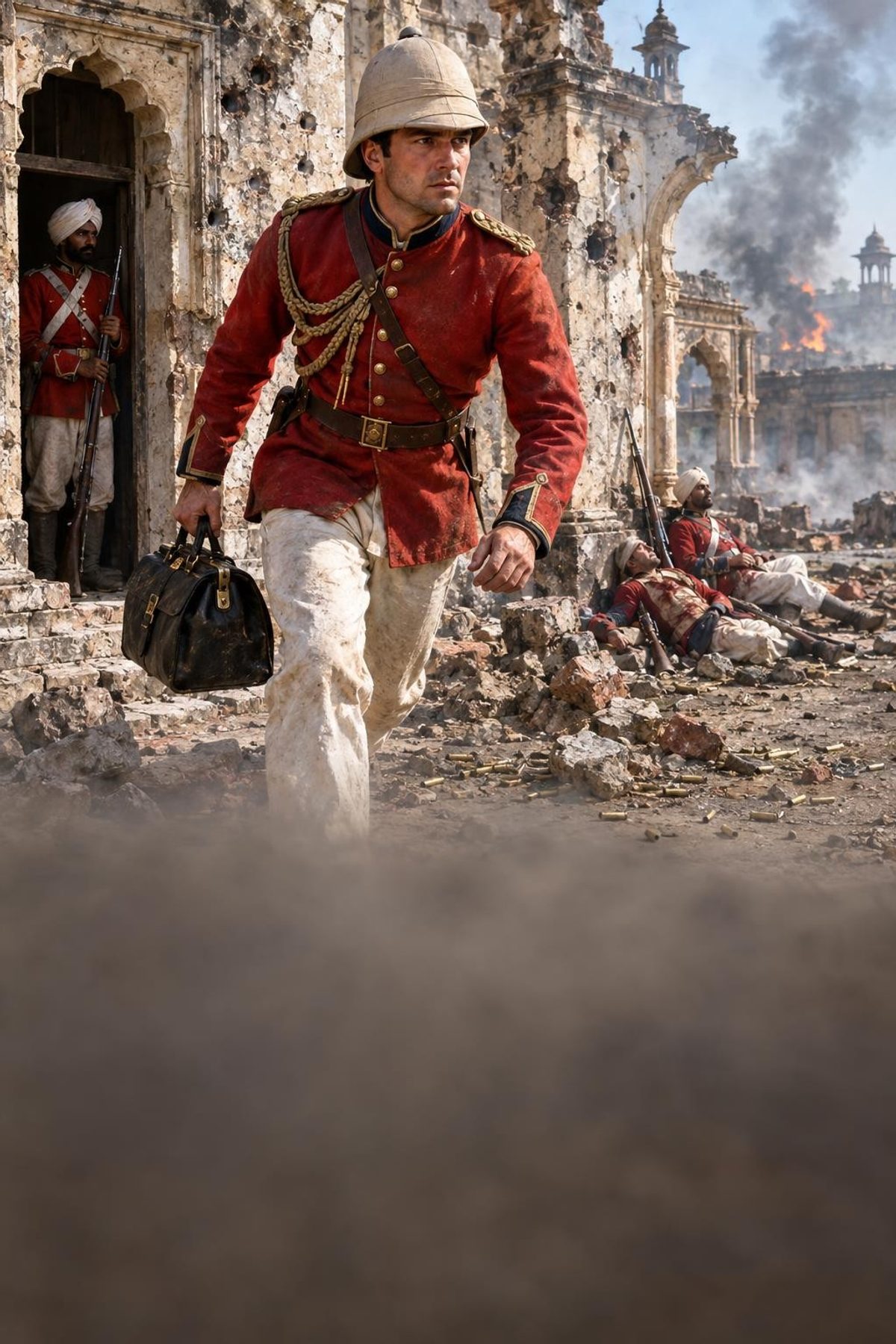
Amid this tumultuous tableau, one man dared to defy the peril that clung to every thread of reality like a persistent specter. His name was Surgeon Joseph Arnott, and his resolve was as unwavering as the medical bag grasped tightly in his hand.
The Residency: Beacon of Resistance
From the vantage point of history, the Siege of Lucknow emerges as a crucible of endurance and valor. Situated at the strategic and symbolic heart of the British East India Company's dominion in the subcontinent, the Residency had become an emblem of colonial tenacity.
The siege commenced in June 1857, when the Indian Mutiny swept like wildfire across the northern plains. A few hundred British soldiers, civilians, and loyal Indian sepoys held the fort against thousands of insurgents, embodying a desperate spirit of resistance.
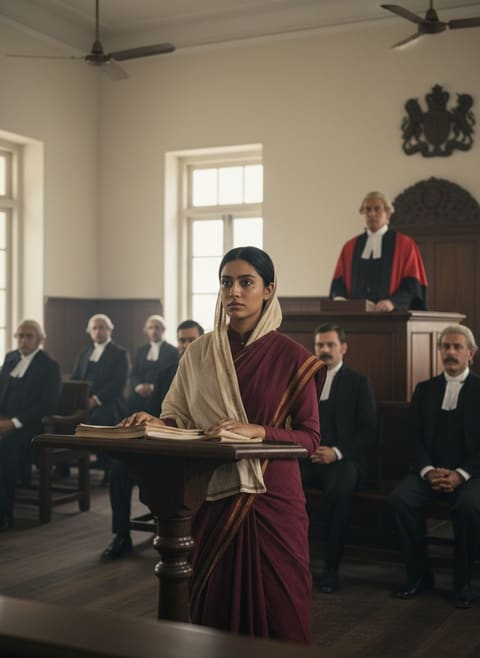
Read next: When Cornelia Sorabji Became India's First Woman Barrister
The Residency itself, a collection of dilapidated buildings surrounded by makeshift fortifications, bore testimony to the relentless barrage. Artillery and small arms continually pounded its walls, leaving gaping wounds in the structure that echoed the mounting casualties within. Supplies dwindled. Water was scarce. Dysentery and malaria took their grim toll alongside the weapons of war. Yet, the besieged clung to hope, listening for the faint promise of relief from the north.
By November, much of the original fortifications had crumbled. The defenders’ resolve, although extraordinary, was perpetually tested by the realities of exhaustion and famine. Yet, within these dire straits, a flicker of defiance persisted.
It was into this crucible that Arnott walked, embracing his duty with a rare blend of courage and compassion that was as profound as it was reckless. Determined to tend to the wounded rather than heed the common instinct for self-preservation, he carried only his medical bag and an unspoken vow to save lives.
The Crossing: Trial Under Fire
Joseph Arnott's feat of crossing open ground under heavy enemy fire is both haunting and awe-inspiring. The landscape, a desolate hellscape of debris and makeshift graves, was ominously illuminated by the incessant muzzle flashes from the rebels’ positions. In this no-man’s-land of uncertain footing and certain danger, each step Arnott took was both an act of defiance and an embodiment of the nobler threads woven into humanity’s tapestry.
Witnesses describe Arnott's passage with a mix of disbelief and admiration. He walked with measured steps, seemingly oblivious or impervious to the bullets that whistled around him. The only shield he bore was the frail assurance of purpose and the heavy medical bag that seemed to tether him not just to his mission but to a world beyond war. A mere healer in an opera of violence.
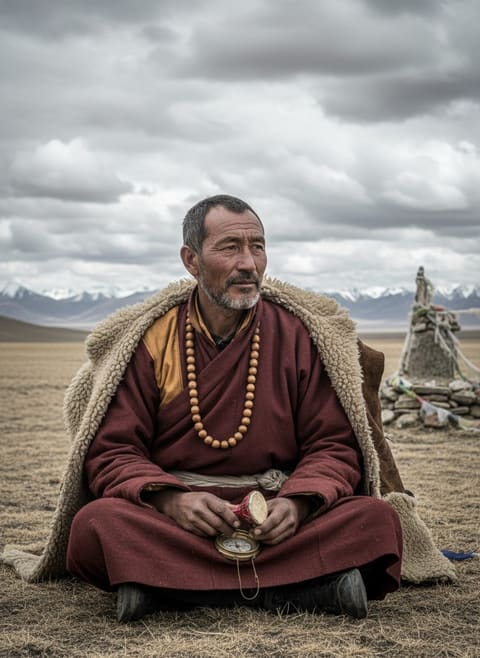
Read next: When Nain Singh Walked Into Lhasa as a Spy, 1866
This singular, vivid act was more than just an exercise in futility. It was a living testament to the human spirit's ability to withstand the storm. One can only imagine the thoughts that raced through his mind as he braved the gauntlet: fear, resolve, perhaps a silent prayer. The act of reaching the imperiled garrison was, in some ways, as significant to the morale inside those embattled walls as the physical relief he provided with his medical tools.
The Echoes: Legacy of Valor
When the relief column finally broke through and Arnott reached his destination, it became clear that survival, hope, and humanity had found improbable sanctuary in the heart of destruction. His actions not only saved lives but revitalized the spirit of the defenders and underscored a profound truth often overlooked amidst the clamor of conflict: the courage to heal in the shadow of death is perhaps the most enduring warfare against despair.
The Siege of Lucknow, and indeed the wider events of the 1857 uprising, left an indelible mark on both the British colonial psyche and the Indian struggle for self-determination. Yet, within this broader narrative, stories like that of Surgeon Arnott compel us to consider the quieter currents of history. In the bloodied pages of Victorian India's military conflicts, they reveal moments of undaunted compassion offering glimpses of decency amid devastation.
In contemplating Arnott's walk into Lucknow, we are reminded of the potent intersections where individual valor and historical tumult meet. Arnott’s courage traversed not just the physical expanse of a battlefield, but the moral landscapes of duty and humanity, a crossing that continues to challenge and inspire. Today, his story invites us to reflect on the myriad forms that heroism can take, especially the kind that seeks to mend rather than maim—a legacy woven with threads of sacrifice and hope.