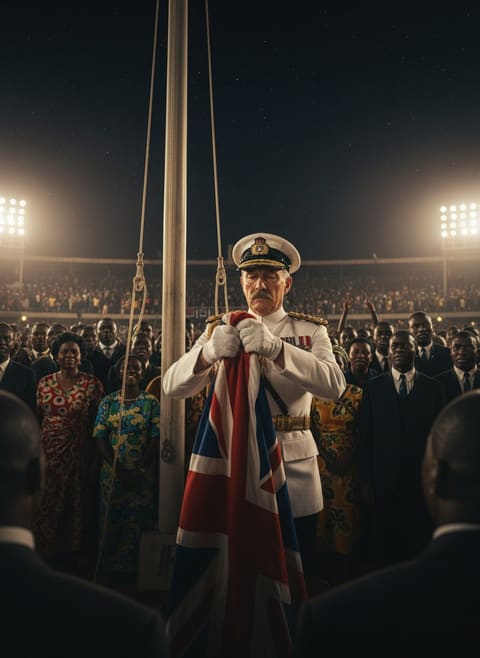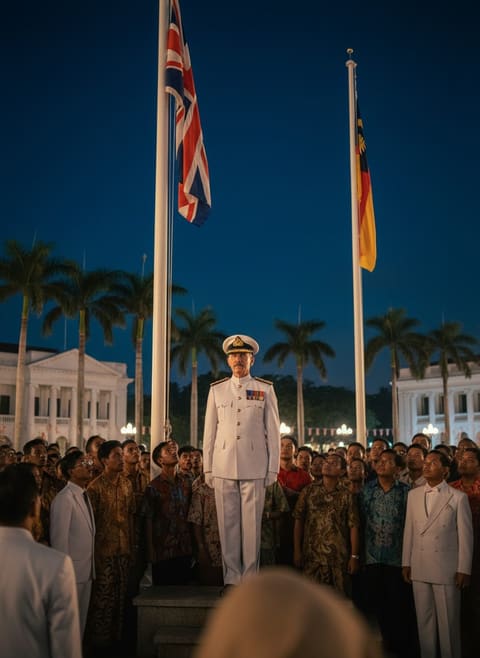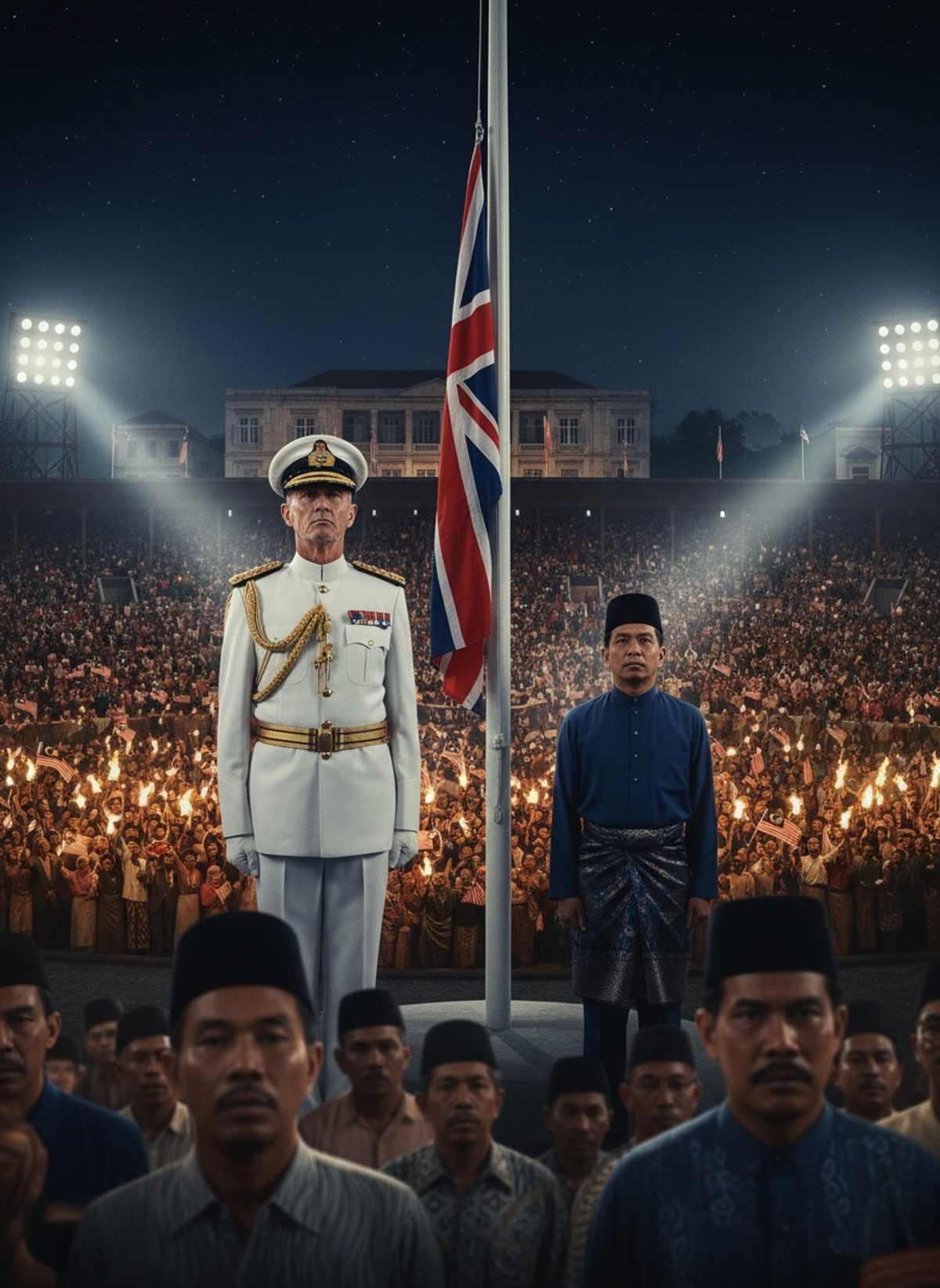
The humid air of Kuala Lumpur lay heavy beneath the August sky in 1957, cloaked in the expectant hush of something monumental unfolding. Streetlights fought bravely with the impending darkness, while the crowd gathered in merdeka-green Stadium Merdeka – the 'Independence Stadium' – which shimmered with anticipation. As the Union Jack fluttered one last time in the warm breeze, its threads mingling with the humid air, hearts collectively held their breath. What followed was not the thunderous fall of an empire, but the graceful, deliberate unfurling of a new dawn. The Malayan flag, stripes of red and white beneath a boisterous crescent moon, rose to claim its place. In a world often marked by conflict and regression, the quiet of this transition is a story that demands telling.
The Dawn of a New Era
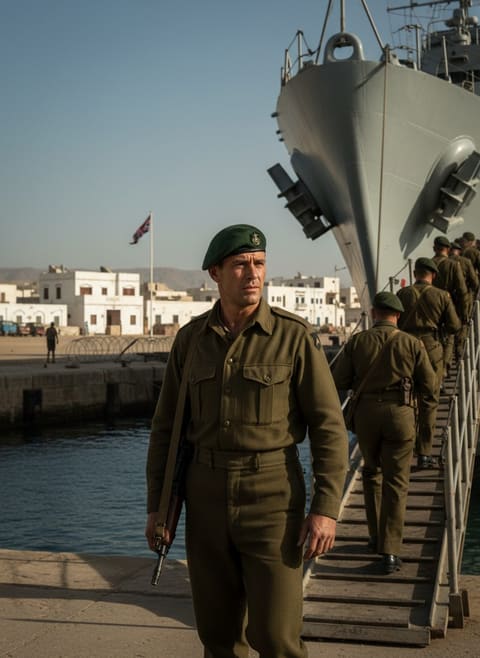
Underneath the blanket of the Malaysian night, a sense of history-taking-shape pulsed through every corner of Kuala Lumpur. For over a century, the British had stood watch over this strategic peninsula, a prized possession won through war and the machinations of imperial commerce. During the colonial period, Malaya was much more than a colony; it was an integral piece of the British Empire, the golden link in its chain of trade routes, feeding Europe's insatiable hunger for rubber and tin. The landscape of the peninsula was crafted and recrafted to favor this mercantile dream, plantations sprawling over land once ruled by the sound of rivulets and the calls of nature — a testament to the power and reach of an empire determined to leave a mark.
The Journey to Independence
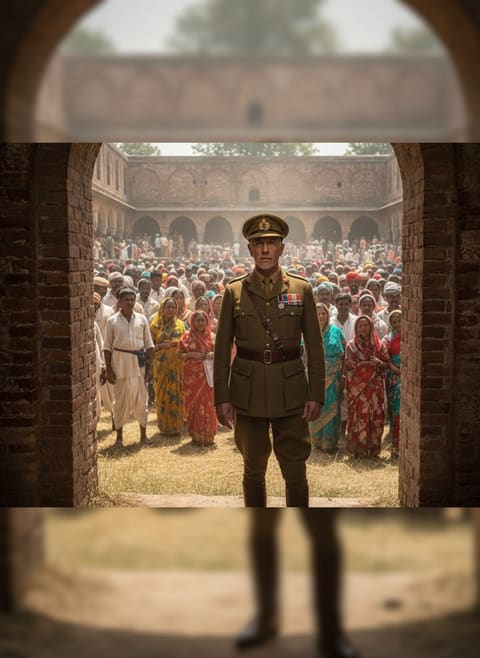
Yet by the mid-twentieth century, the winds of change swept across continents, whispering the promise of self-determination. In Asia, those whispers became a rallying cry, a song for independence, and Malaya sang with all its strength. This clamor for sovereignty was not without its struggles. Ethnic tensions simmered beneath the surface of society as communities vied for recognition and rights in the shaping of a new nation. The British watched and waited, understanding that the tide was inevitable. They made a choice uncommon for the era — to let go with grace. It was in January 1956, far away in the quiet town of London, that the decision was sealed with an agreement for independence.
The Ceremony of Transition
The 31st of August 1957 was no ordinary night. In Kuala Lumpur, every stitch in the fabric of colonial rule was scrutinized and appreciated for its contributions, and then deliberately placed aside. Standing dignified and every bit the ceremonial guardian of the night, a lone British officer lowered the Union Jack. The symbolism was not lost on the attendees, whose skins glowed with the excitement of sovereignty. This act, profound yet elegantly simple, spoke of an empire’s acknowledgment that its time in Malaya had reached a dignified end. As the Malayan flag reached the top of the pole, it was not only the flag itself that raised — it was the spirit and hope of a people bound to write their own story.
Read next: When Britain Handed Gold Coast Its Flag at Midnight, 1957
A Legacy Untethered
In classrooms sprawled across the country, the rising generation began to learn of their own heroes and legends, free from the shadow of colonial tutelage. The city of Kuala Lumpur, once a colonial capital, now echoed with the voices of leaders who owned their mandates and dreams of guiding Malaya into its destiny. Faith and cultures stitched together a new tapestry, where each person knew they had a stake in their future. The embarkation on this collective journey was inspired by the bloodless inheritance of freedom, setting Malaya apart in a world where colonial exits often left a trail of bitterness and discord.
The Echoes of Quiet Departure
Through the lens of time, we still feel the reverberations of that evening in 1957. The story of Malaya's peaceful transition to independence challenges the prevailing narrative of colonial histories defined by violence and upheaval. It is a testament to what may unfold when empires choose diplomacy over domination. As the chronicles often left out of textbooks reveal, sometimes the most transformative acts are those accomplished not through might, but through realization of mutual respect and shared aspirations. In a world perennially searching for examples of peaceful cooperation, the night Kuala Lumpur bid farewell to the Union Jack deserves its place as an enduring beacon of hope and resilience. Such are the stories of "Empire Untold," tokens of history that did not make the mainstream pages, but linger where they are most needed — in the hearts aspiring to lead the future.