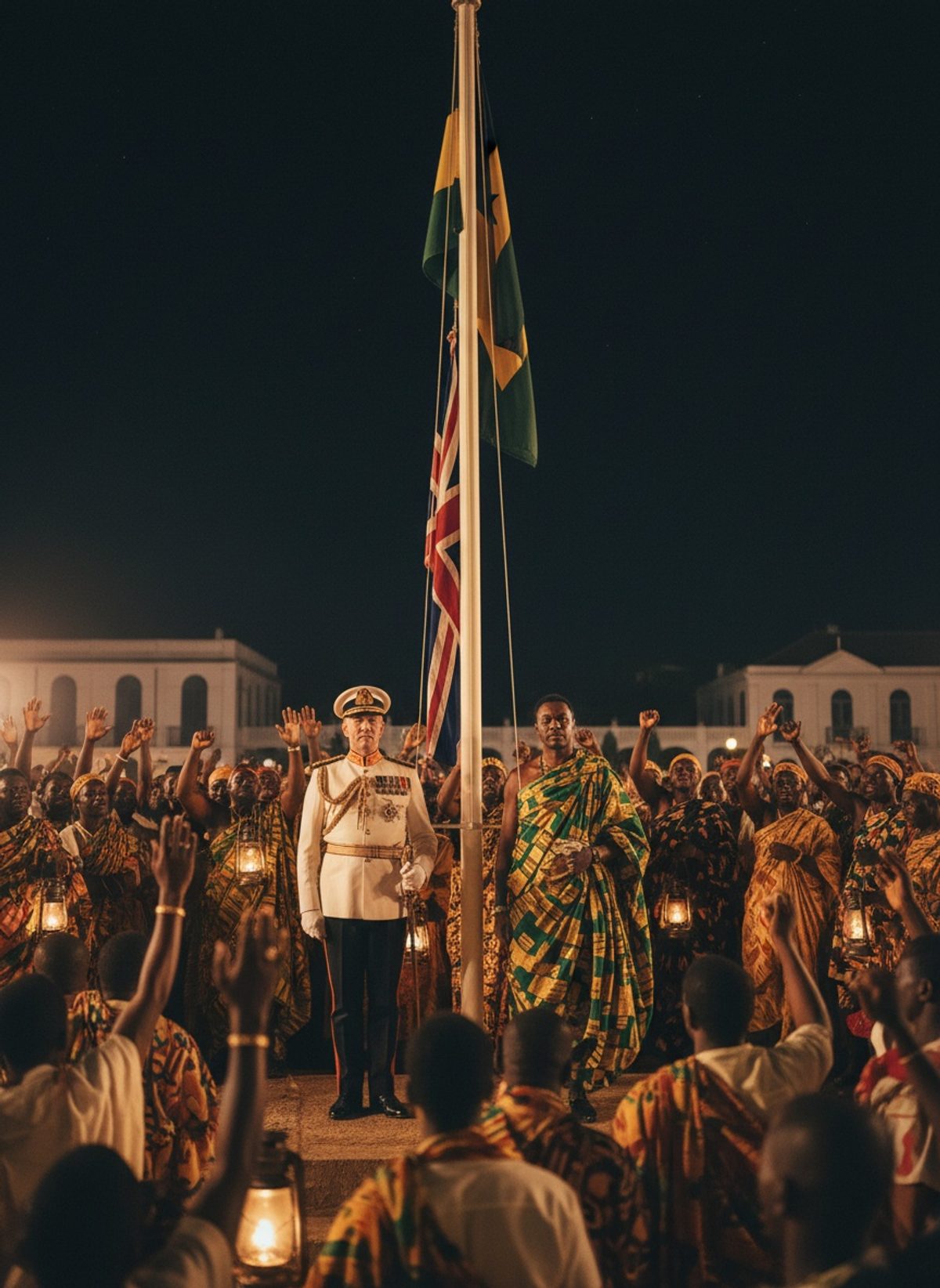
Accra on the night of March 6, 1957, was a scene of vibrant anticipation that hummed through every breath of air. The humidity hung thick, as if the very atmosphere had swelled with the hopeful dreams of a nation on the cusp of full realization. Streetlamps cast a warm, golden glow over a sea of faces turned expectantly towards the heart of the city. A low murmur grew steadily, rippling through the throng of citizens, each one clinging to their place in history as the Union Jack fluttered on its pole for what would be the last time. This moment wasn't just about a change in symbols; it was the severance of colonial chains and the crafting of a new national destiny.
A Long Journey to Midnight
The Gold Coast, known for centuries for its abundant gold resources, had a turbulent relationship with its colonial rulers. Britain's clasp tightened over the region throughout the late nineteenth and early twentieth centuries, exploiting resources and reshaping the socio-political landscape. But the winds of change had started to blow long before World War II with vocal opposition to colonial rule. This dramatic shift culminated at the stroke of midnight when the time-hardened hands of a nation reached out for sovereignty.
For decades prior, the Gold Coast had been a crucible of revolt and reform. Educated elites and disenchanted laborers alike participated in marches, boycotts, and petitions that embodied their desire for self-governance. These acts of defiance were not just political upheavals; they were manifestations of a collective yearning for identity, autonomy, and economic justice, setting the stage for what was to be a historic event.
The Electric Night in Accra
As midnight approached, the air was charged with an electricity that was palpable. Waves of Ghanaian music, spirited and defiant, flowed through the assembly like a bloodline in its prime. Djembe drums synchronized with the heartbeat of the excited crowds, providing a backdrop to speeches that stirred both souls and spirits.
Read next: When the Last British Soldier Left Aden, 1967
The ceremony space itself was meticulous. Distinguished guests from across the globe stood alongside jubilant locals. Dignitaries arrived, their presence a symbolic nod to the changing guard. In the crowd, faces young and old turned skyward, each experiencing the moment through interplays of wonder, pride, and hope. A singular vision united these thousands—a future constructed by Ghanaians, for Ghanaians.
The Unveiling of a New Banner
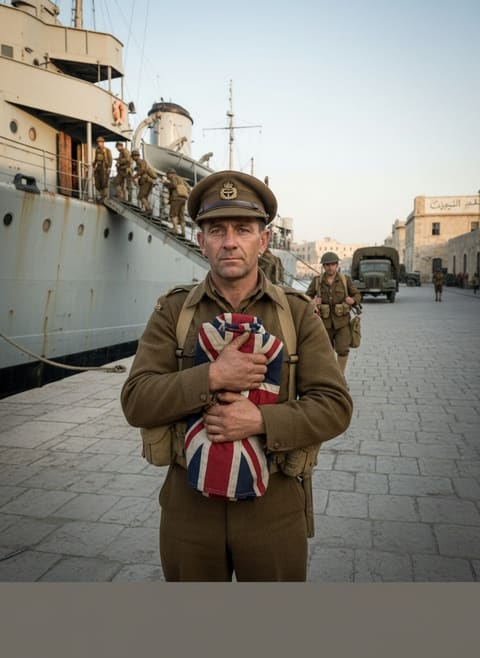
In those last moments before liberation became reality, time seemed to slow in reverence to the occasion. The moment was both ceremonious and intimate. At the millennium hour, the Union Jack began its descent. Each inch felt weighty with history's echoes—a symbol of eras ended and struggles overcome.
As the red, yellow, and green of the new Ghanaian flag ascended, a collective breath was released. The flag, vibrant and unapologetically bold, bore the black star—a nod to Marcus Garvey's vision of a united Africa. This singular symbol represented the unity and center of African freedom struggles. The crowd erupted in an uproar of applause, tears streaming, voices raised in song, a national pride that would not be contained.
The Awakening of a New Era
As dawn broke over Accra, Ghana awoke, untethered. The government buildings and schools, once under colonial banners, now bore the colors of a free state. From bustling market stalls to quiet familial abodes, conversations brimmed with enthusiasm for a future unbound by colonial determinism.
Read next: When Britain Handed Malaya Its Flag at Midnight, 1957
Yet amidst the celebrations, pragmatic minds knew the path ahead was strewn with formidable challenges. Economically, politically, and socially, Ghana stood poised at the threshold of growth or stagnation. Would autonomy bring about the prosperity and justice so fervently hoped for? The national task was enormous, but so too was the collective will.
The Significance of March 6, 1957
To the Gold Coast, independence was more than a political shift—it was an emancipation of the human spirit from the yoke of external domination. This moment had repercussions far beyond Ghana's borders. It was a watershed, catalyzing waves of decolonization throughout the continent. Other nations looked to Ghana as a beacon of what liberation could promise—even as they recognized the hard road that lay ahead.
March 6, 1957, stands as an emblem not just of the end of an empire but of the resilience and relentless push for self-definition. It serves as a reminder of the profound ways in which history can pivot on a single night—a stark delineation from what has been to what will be. In Accra's humid air, dense with expectation and promise, the world was shown how the determined heart of a people could rise up and claim its own destiny—a lesson that outlasts the pages of history books, resonating ever louder in the souls of those who dare to dream of freedom.