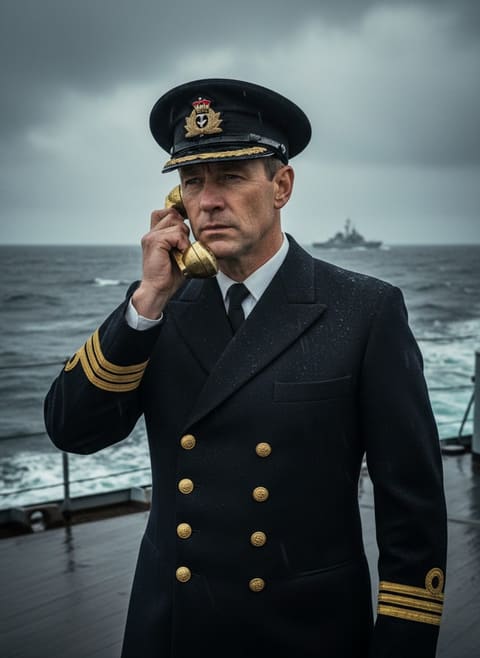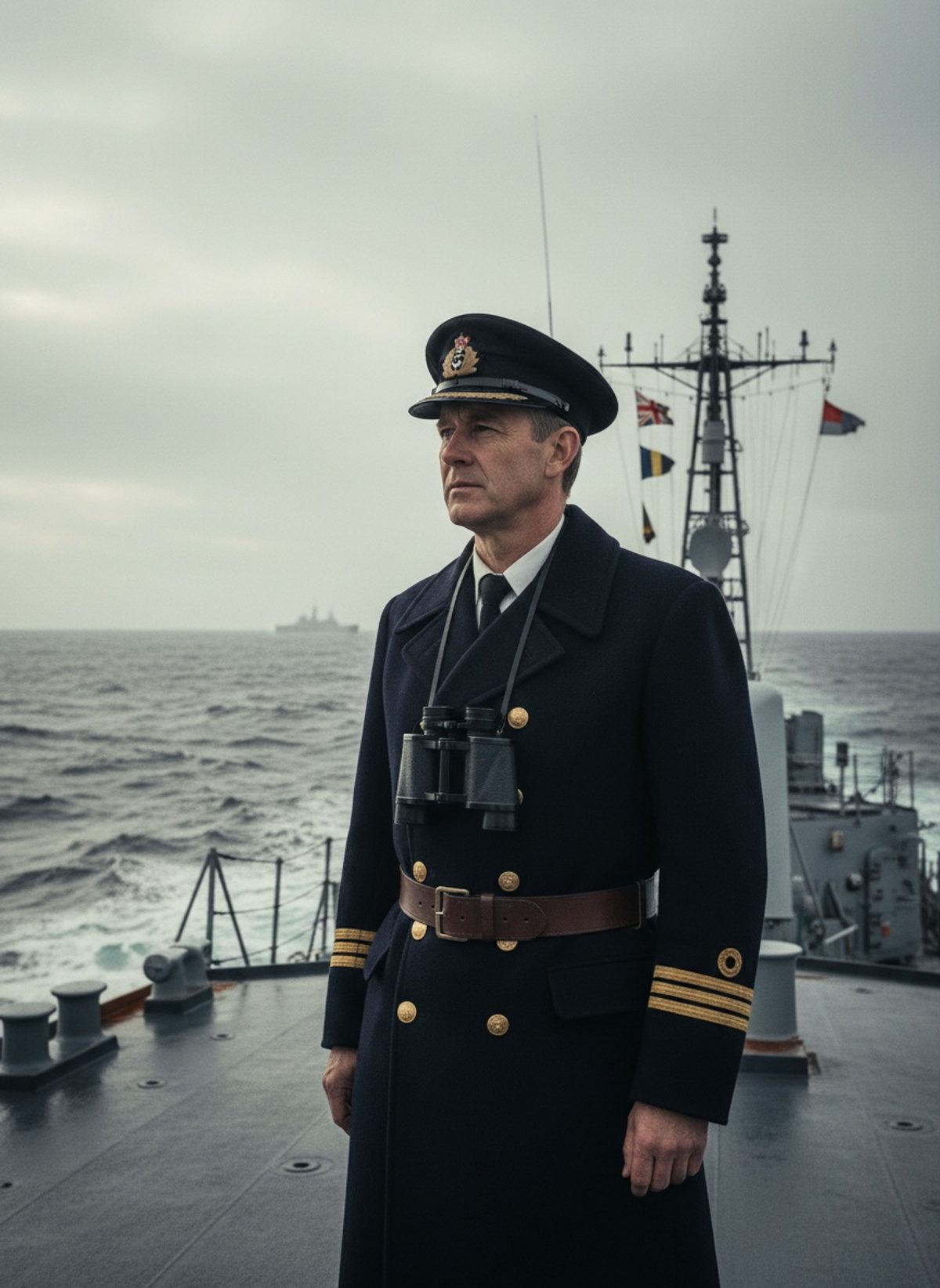
"The deck pitched sideways under his feet as icy Atlantic waves pummeled the British destroyer. Captain James Parker braced himself against the railing, the salty spray stinging his eyes. Around him, sailors rushed to their stations, their faces a mixture of resolve and disbelief. They were heading to the Falklands, a desolate collection of islands far from home, snatched by Argentina, with only the promise of American support keeping spirits afloat."
The Yankee Lever: A Twist of Allied History
When the Argentinian junta decided to seize the Falklands in April 1982, Britain faced a daunting task. The response from the United Kingdom was swift and resolute, initiating one of the most daring naval missions since the Suez Crisis. An armada charted course for the South Atlantic, but their journey wasn't just a testament to British tenacity. It was a story of diplomatic tightrope walking, the fulcrum of which was an unexpected demand from across the Atlantic.
As British leaders turned to Washington, seeking support from their Cold War ally, they found themselves caught in a complex web of geopolitical strategy. The United States, led at the time by President Ronald Reagan, was keen to aid their foremost European ally but needed something in return. An unexpected stipulation emerged from the corridors of American power — Britain had to bolster its military capacity. The implicit message was clear: ensure that the Falklands didn't signify a further diminishment of British global influence.
Intelligence and Iron: The Bargaining Tokens
The United States was ready to provide critical intelligence and logistical support, pivotal for the British task force maneuvering across vast ocean expanses. Within the clandestine world of electronic eavesdropping and satellite imagery, America’s technological prowess became a vital asset to the British operation. Yet, Washington's support was not completely altruistic. U.S. officials, underlining the strategic significance of a strong Western Europe during the ongoing Cold War, subtly pressured Britain to modernize its military infrastructure.
Read next: When Britain Handed Cyprus a Flag and Said Goodbye, 1960
This demand wasn't as shocking as it seemed on the surface. The Cold War climate necessitated robust military alliances to counterbalance the Eastern Bloc. Still, Britain's military capacity had been waning, having shrunk significantly since World War II. The Falklands Crisis provided a perfect, albeit risky, joint endeavor where British resolve could be reignited, and American support would come with strings attached — strings that sought a stronger and more resilient ally.
Across the Atlantic: A Tale of Diplomacy and Deception
Behind closed doors, a theatre of high-stakes diplomacy unfolded. British diplomats, armed with memories of past alliances, hoped for unconditional American support. What they faced was more like a sophisticated negotiation with strategic undertones. In candle-lit rooms of Washington D.C., British and American officials exchanged veiled assurances and shrewd proposals, often delivered with a side of charming camaraderie.
Read next: When Britain Handed Malaya a Flag and Walked Away, 1957
Many among the British delegation were astounded at the subtlety of the American request. The image of a 'special relationship' seemed frayed. Yet, it was a pragmatic call from a superpower managing its interest. "Arm yourselves, or risk losing your relevance," was the subliminal chant echoing through crowded meeting rooms. Interestingly, the very act of rearming was seen as a method to prevent further imperial contraction. Thus, while the public saw images of brotherly support, the reality was a calculated diplomacy dance, where support came wrapped in strategic foresight.
The Whispered Warning: Reflections on Empire's End
On the icy waters of the South Atlantic, the promise of American assistance bolstered British morale, yet it came enveloped in an implicit warning about the future. The Falklands, often dismissed as mere rocks in frigid waters, became a crucible for British determination and diplomatic sagacity. Captain Parker and his crew symbolized a new chapter for Britain’s military relevance, steeled by their commitment to a far-off land and the whispers of change from their American allies.
Why does this tale matter? It highlights how alliances, no matter how entrenched in history, often turn into arenas of negotiation where power dynamics play out in unexpectedly tactical ways. An iconic emblem of British resilience — the Falklands War — was not just revived by the roar of the British Navy but subtly sculpted by an allied ultimatum across the Atlantic. This episode underscores an era when the echoes of imperial grandeur were fading, and new geopolitical realities reshaped the old maps of influence. Such stories felt absent from textbooks but resonate loudly in the corridors of power to this day.