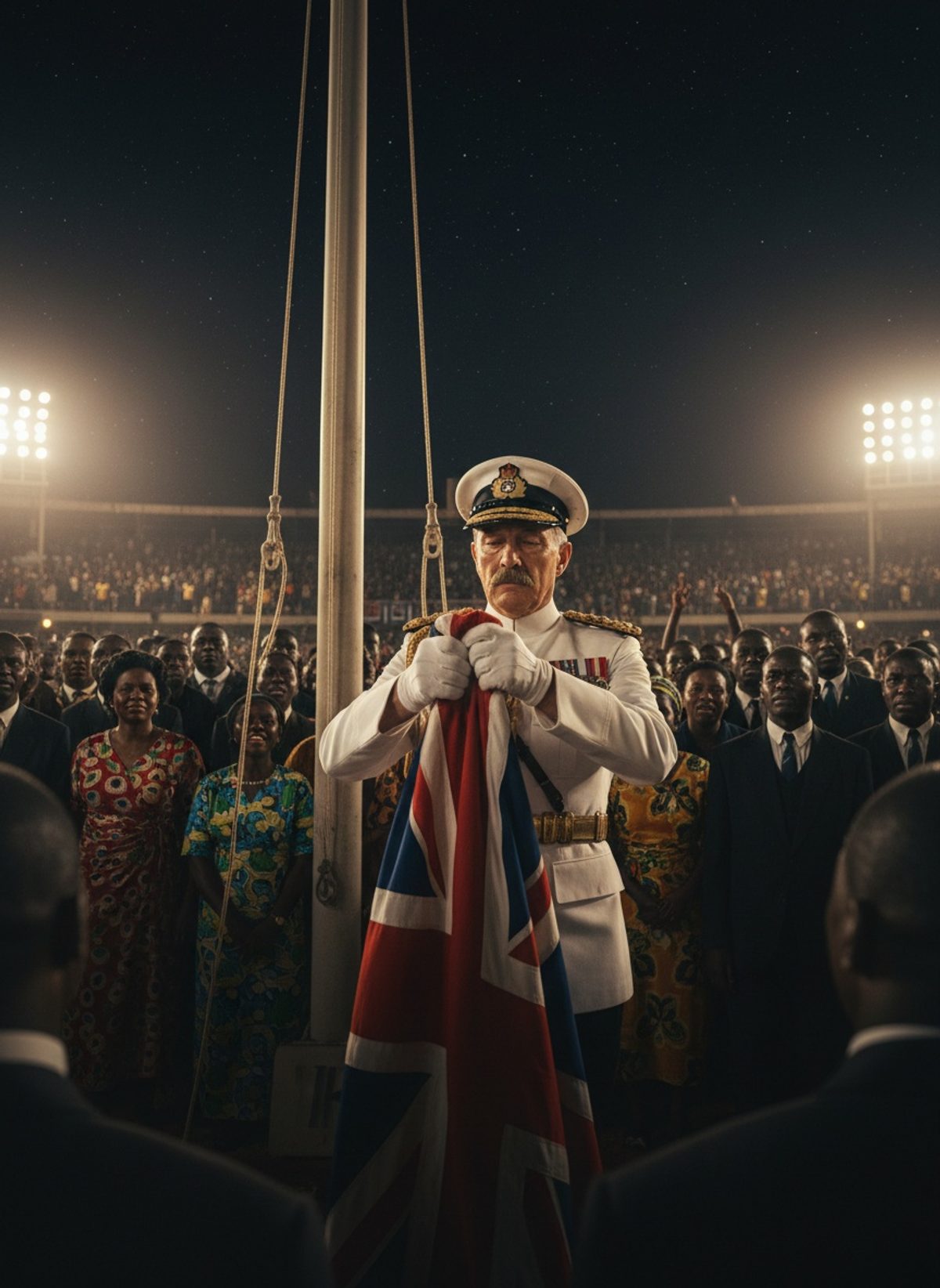
The night of December 11, 1963, whispered secrets only the close-knit hills of Nairobi could hear. A light, persistent drizzle had given way to a captivating stillness, the kind that holds the promise and tension of something extraordinary on the horizon. Uhuru Stadium was cloaked in a velvety darkness, its stands brimming with those who had gathered to witness history unfold in the cloak of midnight. As the clock ticked towards the witching hour, the atmosphere hung thick with anticipation, waiting for that singular moment that would alter the trajectory of a nation. In this spotlight of destiny, the very air seemed charged with the ghosts of empire and the breath of freedom.
The Eclipse of Empire
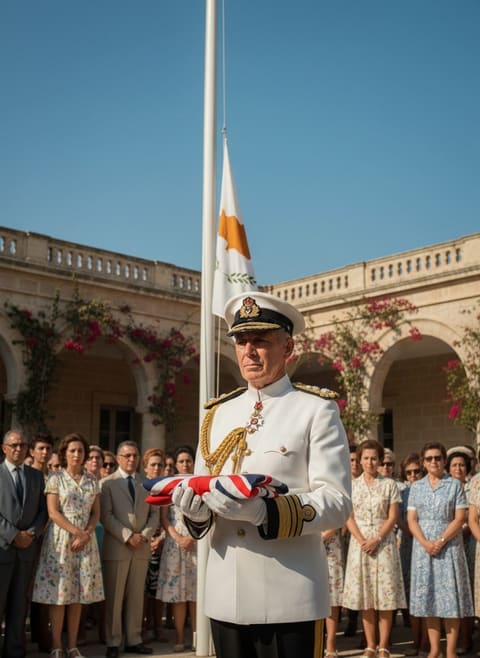
The British Empire, once stretching across the continents like a colossal patchwork quilt, had over decades watched its fabric fray and unravel. On this December night in Nairobi, the view from the stands was not just of an athletic field but of an empire taking a bow, thirty years and sixty million people later. As the crowd stood in reverent silence, dancers hand in hand and soldiers at attention, they bore witness to the removal of a symbol far greater than itself—the Union Jack. Brought down in the dark, it represented more than just colonial rule; it underscored a global movement of nations awakening to claims of autonomy and identity.
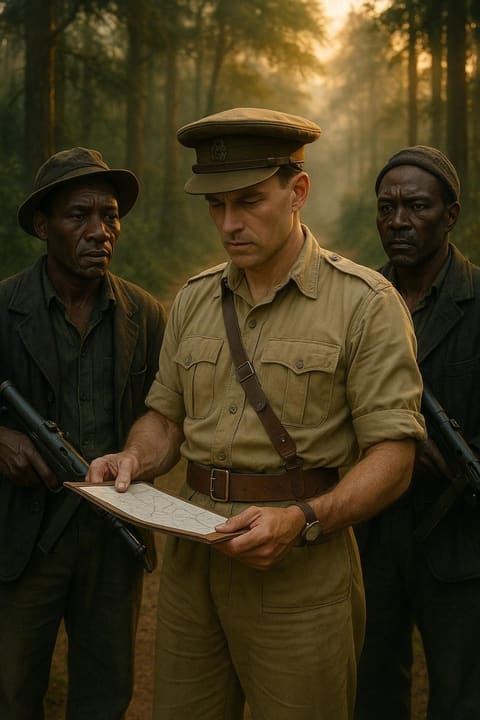
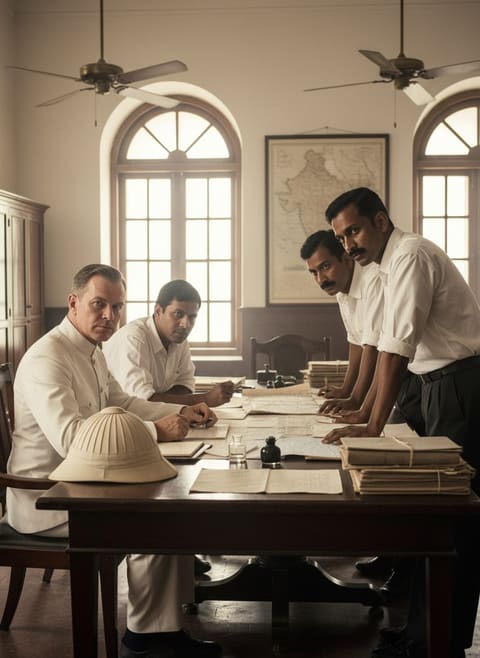
Kenya's voyage to this midnight hour was neither simple nor without struggle. It was a journey mired in battles not just of guns and blood but of ideologies and sovereignty. The British, having formally entered the East African sphere in the 1890s, had carved Kenya into the British protectorate in 1920, leading to years of strife and clashing aspirations. The resistance and resilience of Kenya's people had finally brought them to this gathering—a symbolic unraveling of the British Empire’s tapestry.
Navigating the Darkness
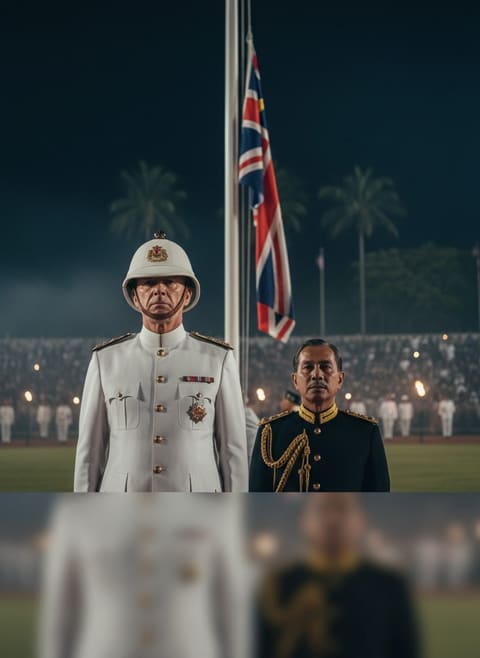
The atmosphere in Uhuru Stadium—the very name thirsting for liberty—teetered on the edge. At precisely one minute past midnight, the deliberate darkness swallowed the stadium whole. With it went the Union Jack, slowly lowered, its descent hidden beneath a cloak of shadows. It was an artistic act of symbolism, a nod to the quiet resilience with which people had fought for their right to belong to themselves. This lifting of an oppressive mantle bore the hopes and dreams of countless individuals who had sacrificed much but gained more.
Read next: AMRITSAR 1919 — THE TRUTH FROM THE MAN WHO GAVE THE ORDER
As those final inches of the fabric slid down the pole, hearts must have been pounding with the rhythm of expectation, drumming the tempo of a new nation taking its breath. For the crowd and the millions listening over radios crackling with static across disparate landscapes, this was not just a bureaucratic transfer of power but an inception of a long-held dream—so close it could finally be touched.
With Lights Comes Dawn
Like a phoenix bathed in golden light, the stadium erupted into illumination as the new standard took its place in the heavens. Erect in its ascent and crowned with the hues of the Pan-African palette, the Kenyan flag sprung alive—black for the people, red for the struggle they endured, and green for the land that whispered stories of yore. Encased within these bands flutters the insignia of a future unbound and sovereign, as the crowd erupted into a jubilant symphony that danced across time and terrain.
Read next: When Keith Mills and 22 Marines Stood Their Ground at Grytviken, 1982
To those gathered, these moments were not inside the barrier of a sports arena but the very inception of independence. As the land’s new rhythms beat louder, they emptied their lungs in celebration and embraced unfamiliar promises. The flag-raising moment itself, simple yet monumental, was deftly captured by newsmen and writers, its gravity stitched into the forefront of worldwide dispatches. The ceremonious exchange of flags without spoken words declared loudly to the world: this was a Kenyan future, unbridled and unencumbered.
Embracing the Unwritten Horizon
As crowds dispersed from Uhuru Stadium on that monumental December night, the streets took their teeming enthusiasm into homes, cafes, and the very earth of a redefined identity. The glow of streetlamps, flickering in steadfast welcome, revealed an electrified nation stepping into the naked light of independence. With their passage into self-rule, Kenya had infused the global narrative of decolonization with a new pulse, reshaping not only its future but that of many other nations still swaddled in colonial shadows.
Beneath the vast Kenyan sky twinkling with midnight stars, it was clear that although the path ahead was uncharted and fraught with challenges, it was truly their own. The story of Kenya’s midnight moment matters because it echoes in the corners of our contemporary world where battles for freedom and self-determination continue to unfold. It stands as a profound reminder of human tenacity, a testament to resilience, and a celebration of what unfolds when courage meets opportunity.