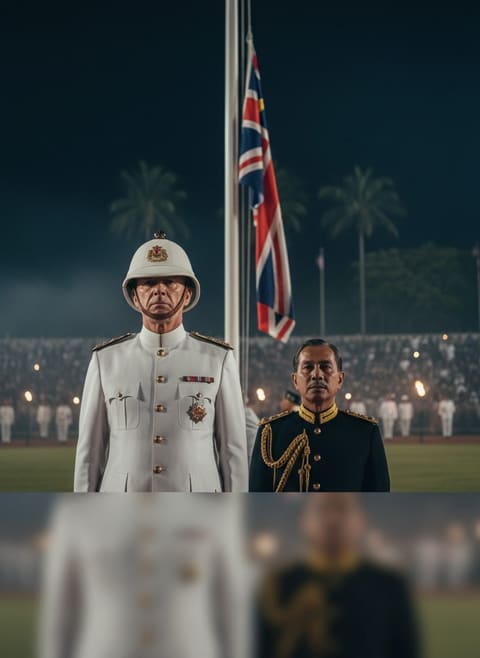
April 13, 1919. The afternoon sun hung low over the quiet city of Amritsar, casting long shadows across the dusty streets.
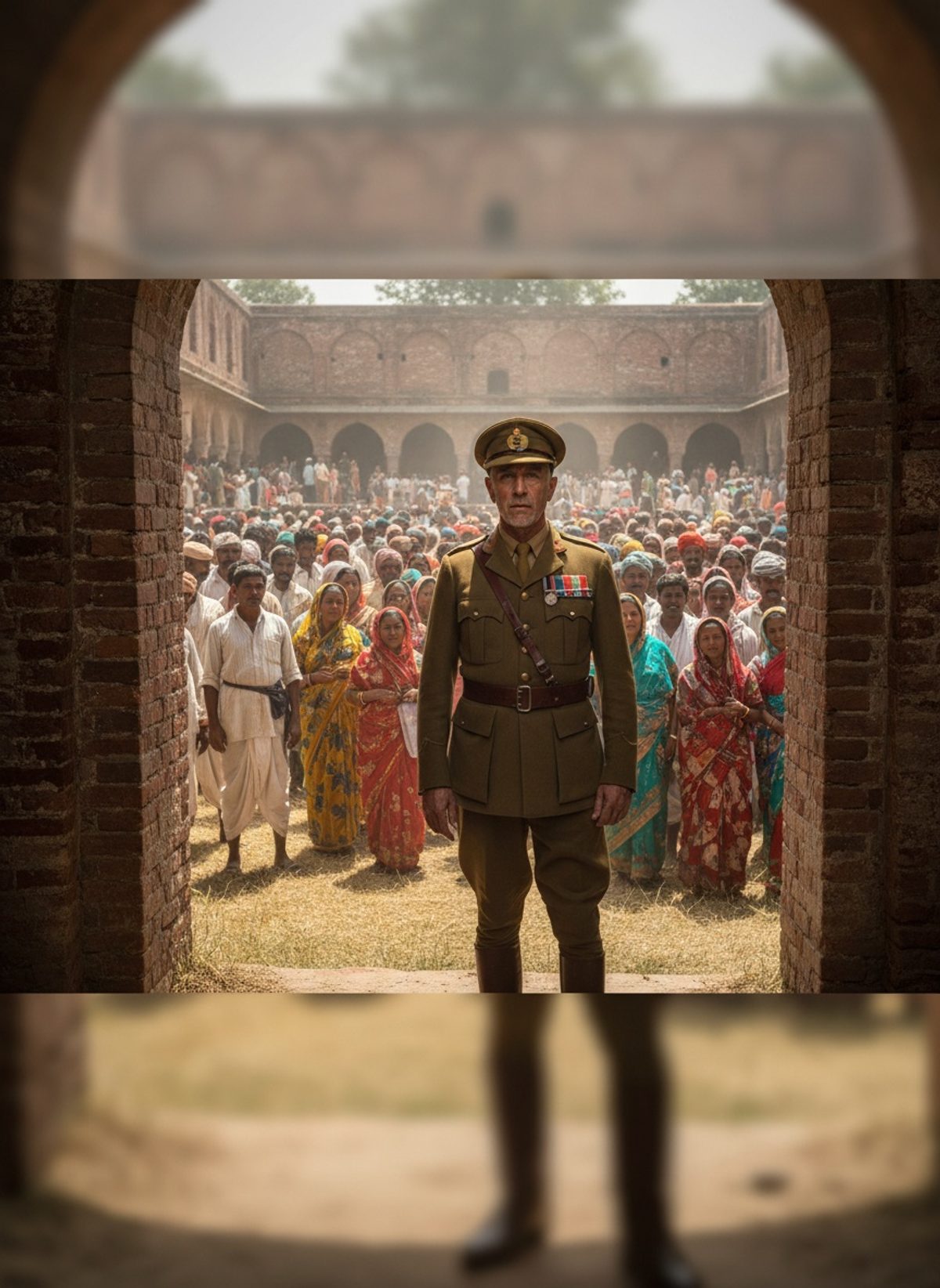
In the bustling city of Amritsar, within the confines of the imposing Jallianwala Bagh, lay a gathering of thousands. They had come together in defiance of newly imposed restrictions on public assemblies, fully aware yet undeterred by the tangible tension that simmered in the air. Brigadier-General Reginald Dyer, an officer more adept with gunfire than diplomacy, led 90 soldiers of the British Army into the narrow entrance of the enclosed garden, the very definition of a powder keg ready for a spark.
Dyer’s decision to march into that venue with a contingent primed for violence reflected a colonial mindset steeped in dominance. To him, the assembly of men, women, and children radiated not a festival but a threat; an affront that must be quelled with an iron hand to prevent the embers of rebellion from igniting further afield. The echoes of rifles discharged without warning reverberated within the confined walls, while panic replaced the earlier hubbub of familial voices and the calm dissolution of a Sunday congregation. In the span of ten short minutes, 379 lives were extinguished, each representing a chapter in a nameless procession of grief for families left to gather their broken pieces.
The immediate aftermath of the firing was a chilling silence. It was as if the heart of Amritsar skipped a beat, shocked into solemnity by the brutality of the act. The once vibrant garden lay transformed into a mosaic of chaos and bloodshed, the wounded crying out in the gathering dusk. For Dyer, the action represented decisive command: an exercise in military regulation he considered imperative for preserving the crown's dominion over its prized subcontinent.
Read next: The Pseudo Force That Broke the Mau Mau From Within
Reports of the massacre rippled through the British Empire, carried on the shocked gasps of distant officials who grappled with the weight of what had transpired. For those ensconced in authority, the incident raised thorny questions about the ethics and efficacy of imperial rule. When news reached London, the narrative diverged sharply from calm governance to disastrous overreach: an indelible stain on Britain's imperial fabric.
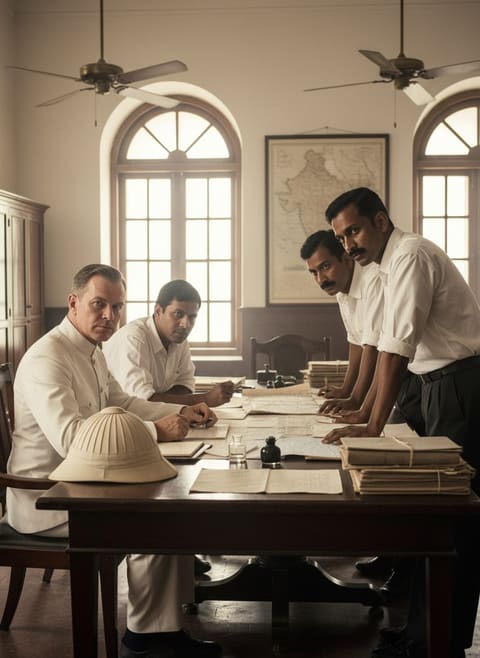
The Government of India quickly convened an inquiry, the Hunter Commission, to investigate the Amritsar Massacre. Its proceedings unveiled not only Dyer's cold rationalization but the troubled depths of a governance structure at odds with its own purported ideals. Dyer, unapologetic and steadfast in deposition, declared his actions a preemptive strike to maintain order within a colony simmering with discontent, a prelude to what he considered necessary action to prevent further violence. His testimony was no mere defense; it was a treatise on the dire imperatives he believed inherent to imperial rule.
Within the corridors of power in Whitehall, there remained no united opinion. While some hailed Dyer as the savior of a shaky empire and likened his actions to preventative medicine against impending chaos, others recoiled at the method—a brutal testament to the fractious nature of colonial oversight. Winston Churchill, then Secretary of State for War, lambasted the act in Parliament, labeling it a "monstrous event" that imperiled the very fabric of just empire. Yet, the incident also revealed deep undercurrents of racial disdain, where the lives sacrificed were weighed against the maintenance of a crumbling imperial might.
Despite the censure, Dyer returned to Britain, met with conflicting responses. Admirers lauded his staunch commitment to control, raising funds in his honor, while critics seethed at the audacity of lionizing a man aligned with devastation. The press, too, painted portraits of Dyer that swung across the spectrum from valorous to villainous, reflecting a nation at odds with itself, struggling to reconcile the ethics of its dominion.
Read next: When the Last British Soldier Left Palestine, 1948
The repercussions of the massacre extended far beyond immediate mortality. It catalyzed a seismic shift within the Indian independence movement, galvanizing leaders whose calls for self-rule transformed from the murmur of scholarly debate to a rallying cry resounding with newfound urgency. Mahatma Gandhi, a burgeoning voice in these transformative times, channeled outrage into strategic non-violence, redefining resistance for a new era. The massacre, intended as a lesson in subjugation, inadvertently fueled the fiercest demands for autonomy.
Jallianwala Bagh remains a poignant reminder that the truth of histories such as Amritsar's is tangled in complex webs of intention and interpretation. The actions of one man, cloaked in duty and obligation as he perceived it, elucidate a glaring dissonance between rule and righteousness. As history unfurls in broader arcs, it beckons us to grapple not only with the overt events but with the intricate machinations that forge such acts.
The massacre at Amritsar was more than an isolated incident; it was a fulcrum upon which the broader movement for self-determination pivoted with unprecedented resolve. As with many tales sealed within history’s temples, this incident compels us to peer beyond the veil, questioning, learning, and reminding us that within the annals of empire, the tightly woven strands of power and morality forever tug at the essence of understanding.