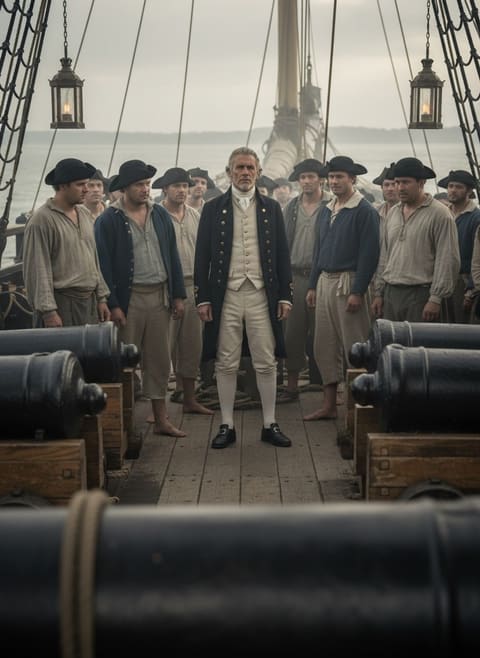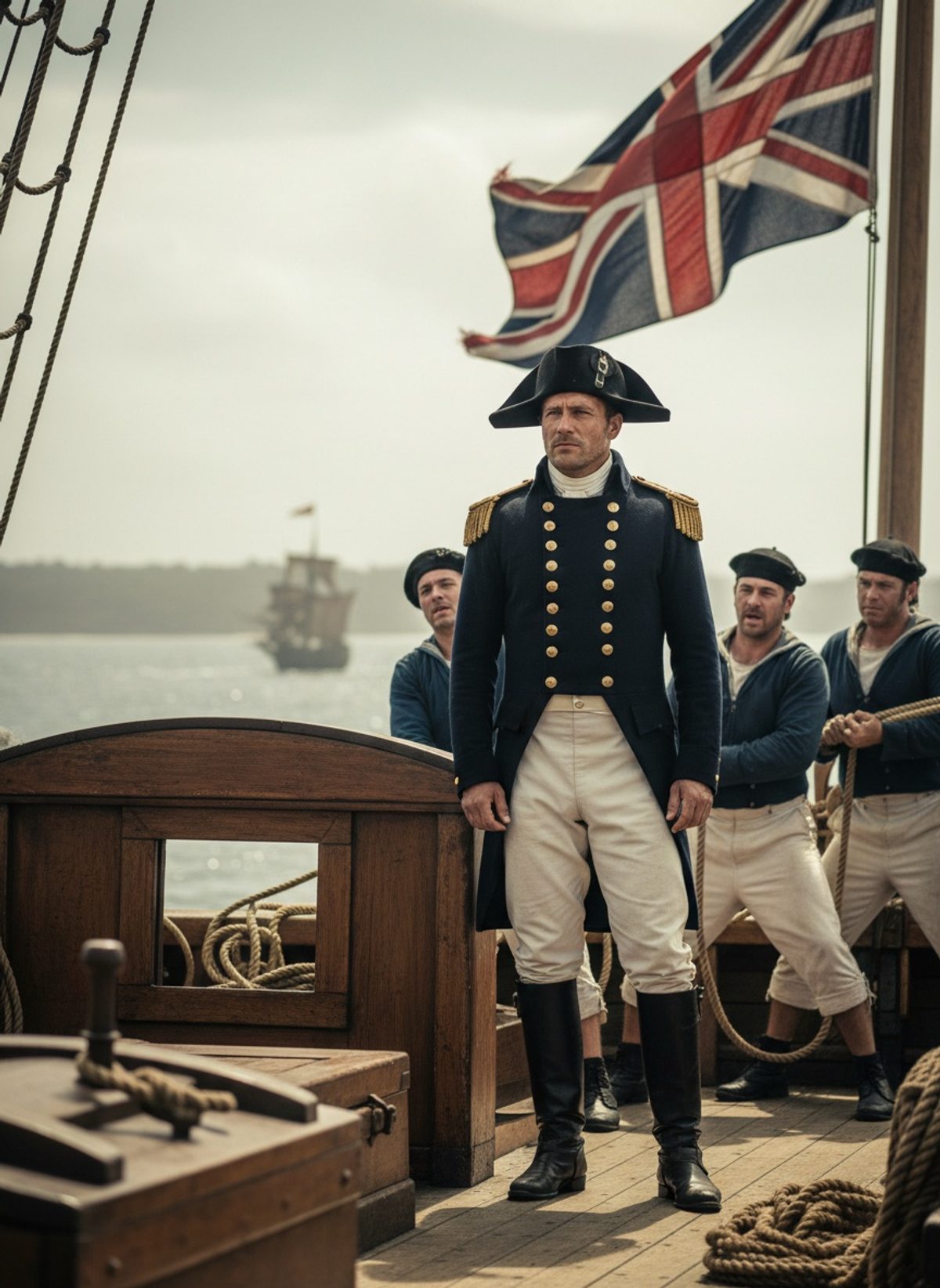
They set sail knowing full well that death was likely. And yet, they still went.
The Unlikely Crusade
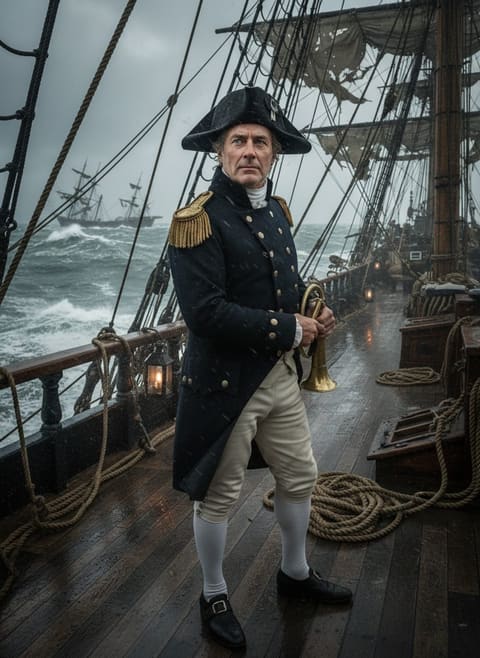
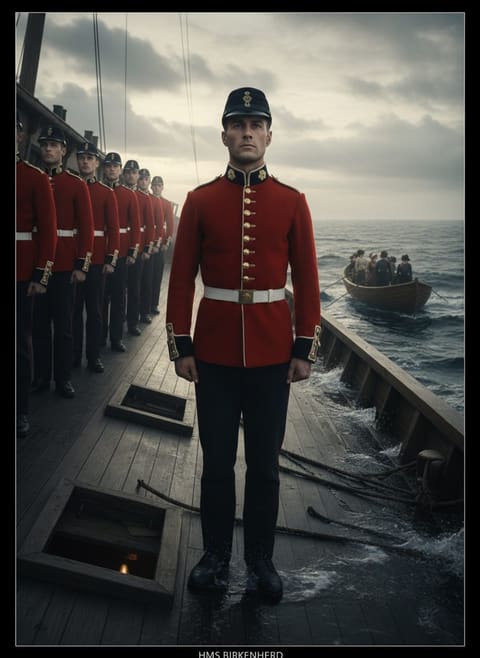
In 1808, a transformation in moral and political values began to sail upon the waves of the Atlantic Ocean. Britain, once the epicenter of the transatlantic slave trade, sent two ships from the Royal Navy to Africa's western shores on a seemingly paradoxical mission: to thwart the very trade that had enriched its coffers. This mission was ambitious as it was unprecedented, patrolling a daunting 3,000 miles of the African coast, from the bustling Senegal to the distant reaches of Angola.
The goal was clear but treacherous: dismantle the slave supply to European and American markets. These waters were lethal, earning the morbid title, ‘the White Man’s Grave.’ Each mission meant battling more than the iniquitous slavers; it also entailed an unrelenting war against the scourge of tropical diseases. Yellow fever loomed like an invisible foe, formidable and often fatal, diminishing crews before they even sighted an enemy ship. Whole crews could be decimated within weeks—half their number gone before a cannonball was fired.
The daring sailors aboard these ships found themselves caught in a perilous abyss between commerce and conscience. For centuries, Britain had been a cornerstone of the slave trade, with brimming sugar, tobacco, and cotton profits. Abolishing these routes challenged economic interests and colonial foundations, reflecting a seismic shift in the empire’s moral compass. Nevertheless, driven by the winds of change, these two vessels sparked a formidable campaign that would last almost six decades. And it all began with this audacious first step into unknown waters.
Read next: The Day a Cornish Wrecker's Coast Got a Lighthouse It Hated
Adversity at Sea
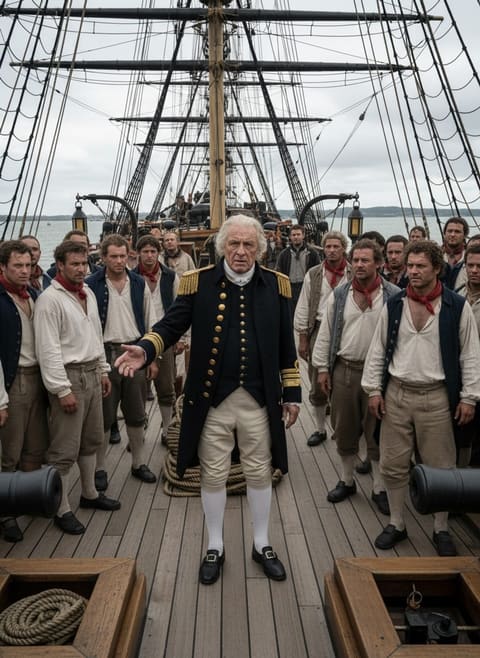
The early years of this crusade were physically harrowing and strategically perplexing. The African coastline was vast and nearly impossible to patrol effectively with only two ships, evolving into what became known as the West Africa Squadron. Each deployment was an undertaking colored by the uncertainty of nature and violence of human opposition. Crew members were often volunteers drawn in by a mix of duty, adventure, and the lure of a seaman's livelihood. The perceived heroism of the mission was underscored by the dangers these sailors faced daily.
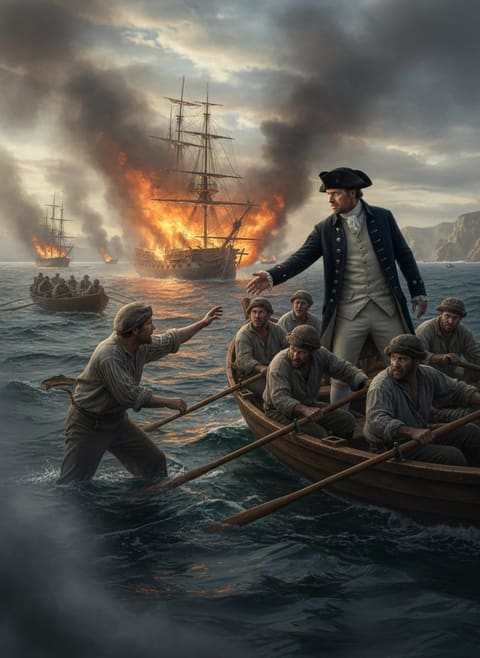
Amidst the hellish evocations of sweltering sun and storm-tossed seas, the determination of these men could be seen in the sweat-drenched decks and baleful eyes hardened by hardship. Navigating treacherous waters demanded resilience and unwavering coordination, as did skirmishes with slavers' vessels. The ships they encountered were often heavily armed and fast, as desperate traders would risk everything to run the blockade.
Yet beyond the human adversary lay a silent, invisible tormentor that haunted even the most robust of seamen. Yellow fever, malaria, and other tropical diseases claimed more lives than combat. Death was a constant companion, and every departure was shadowed by the specter of not returning. Their skirmishes were as much against the sea’s rolling illnesses as they were against the slave ships themselves, enduring a ceaseless barrage that demanded constant vigilance and resilience.
Read next: The Ship That Sank in Sight of Its Own King
The Growing Armada and Legacy
What began with two ships swiftly grew into a fleet as Britain enhanced its commitment to eradicating the odious trade. By the mid-19th century, the West Africa Squadron had expanded into a formidable flotilla, a persistent symbol of military force applied in service to humanitarian principles. The squadron's sheer presence along Africa’s western front compelled many countries to rethink their policies and renegotiate captured vessels, liberating millions from grim destinies.
Ethical justification often collided with political expedience; colonial powers resented Britain’s enforcement yet feared the moral high ground it claimed. Nevertheless, the squadron gradually became more effective, utilizing smaller and swifter steamships to intercept slavers with increased success. Each successful capture smothered a part of the slave trade machinery—each liberated person marked a triumph against human commodification.
This daring naval operation had repercussions beyond the direct impact. It set the stage for broader global engagement against human trafficking and became a cornerstone for future humanitarian interventions. Evangelicals and abolitionists found in the squadron a powerful ally, one that transformed how navies could uphold principles over profit.
The wartime struggle against the darkness of the slave trade endured nearly sixty years, an era that began with skepticism became a testament to perseverance—illustrating a nation’s attempt to juxtapose its economic foundations with moral ascendancy. It is a story of sailors, statesmen, and, most crucially, a realm attuned to the silent, relentless warships along the African coast—serving as a commitment to a burgeoning humanitarian world order long after the final sails were taken down and the squadron disbanded, leaving a legacy of resolve and redemption that transcended those fevered waters.