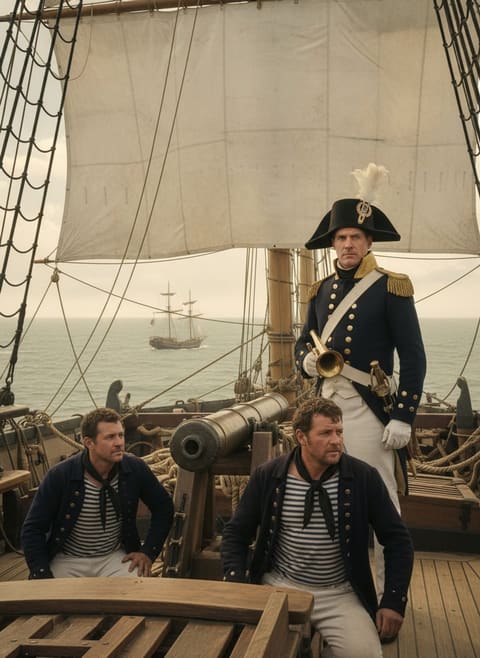
June 1813. The Atlantic breeze swept over the decks of HMS Shannon, mingling with the salty scent of the sea.
The Challenge off Boston
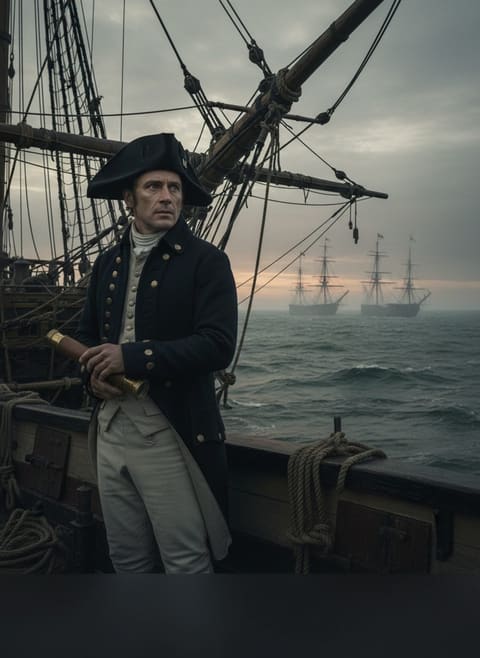
As the morning light filtered through a brooding sky, HMS Shannon lingered off the coast of Boston Harbour, a solitary silhouette against a hostile horizon. Captain Philip Broke, a seasoned sailor and consummate tactician, had set the stage for a defining moment in naval warfare. For weeks, he'd been meticulously preparing his ship and crew, engaging in drills that bordered on obsession. With precision engineering and relentless discipline, Broke had transformed his frigate into a well-oiled machine—and now he intended to put its capabilities to the ultimate test.
Broke sent a written challenge to the USS Chesapeake, a bold move steeped in both confidence and defiance. The Chesapeake, under the command of Captain James Lawrence, was freshly manned and eager for glory. The letters carried by messengers bore an invitation laced with provocation. It was a call to arms, daring the American vessel to emerge from the safety of the harbour and engage the Shannon head-on.
In the kaleidoscope of the Napoleonic Wars, this daring encounter was more than a skirmish between two ships; it epitomized the fierce rivalry between two burgeoning naval powers. With American pride swelling in the aftermath of recent victorious engagements, the Chesapeake represented a beacon of hope and defiance against the British maritime dominance that had long imposed upon sovereign shores.
Read next: When Hoste Took Three Frigates With One at Lissa, 1811
Action in Thirteen Minutes
On that fateful day, the Chesapeake accepted the challenge. Like a predator sensing vulnerability, Broke watched as it set sail gracefully into the bay, a testament to American ambition. As the distance closed between the two frigates, a tense silence hung in the air—a brief calm before the storm.
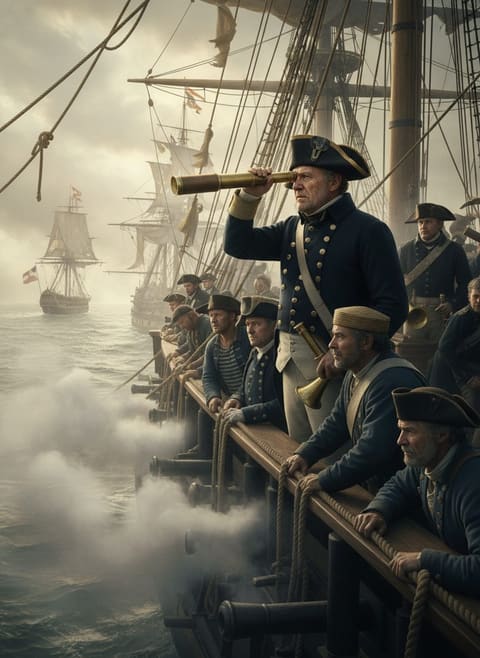
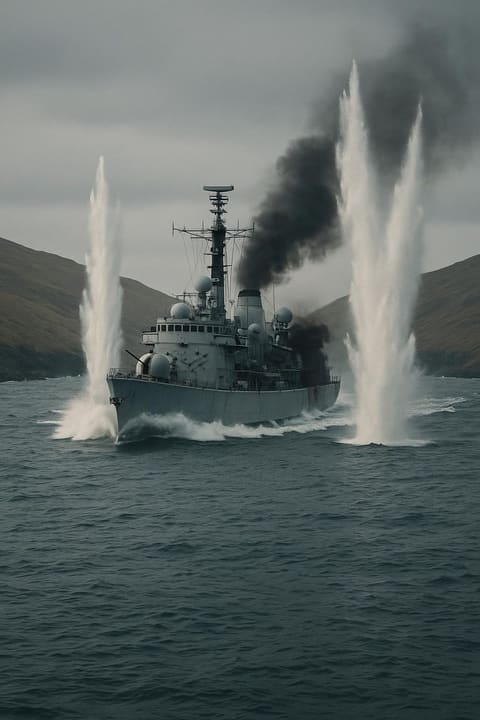
The clash commenced with the crack of cannon fire, each ship exchanging broadsides with thunderous intensity. Smoke enveloped the decks as cries of war rang out. It was a scene of nerve-rattling chaos, punctuated by the acrid aroma of gunpowder. Yet, amidst the bedlam of battle, the clock was ticking—only thirteen minutes separated the first shot from silence.
Broke led his crew with unyielding resolve. He was not just a commander but a warrior among his men. The Shannon's drills paid off; its gunners achieved remarkable speed and accuracy, while the sailors maneuvered with synchrony and foresight. The devastating volley crippled the Chesapeake, opening an opportunity for the British boarding party to make its bold move.
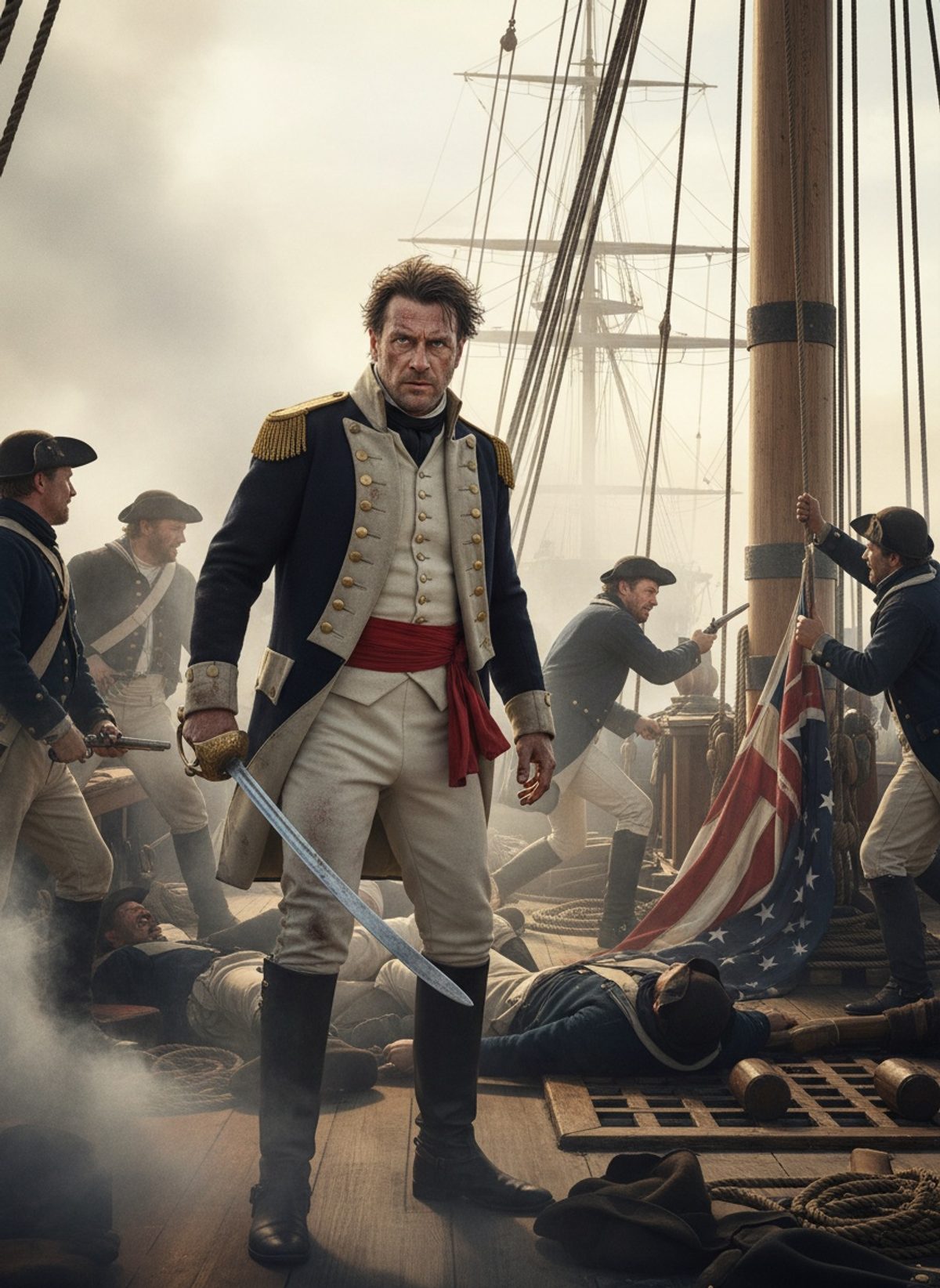
In those crucial moments, Broke himself led the charge aboard the American ship. A ferocious melee erupted, swords clashing and pistols discharging amidst battle cries. In the fray, Broke's prowess was evident, though a brutal blow nearly severed his sword arm, a testament to the bloody cost of valor.
The Falling Stars and Stripes
For the Americans aboard the Chesapeake, hope faded as swiftly as it had ignited. Laurence, gravely wounded, uttered the famous plea that would echo through history—"Don't give up the ship." Despite this, the deck was awash with British red, and the outcome became inevitable. The boarding party, with precision and intensity, overcame the resistance, and as the last engagement ceased, the battered Chesapeake succumbed to its fate.
Read next: When Lewis Roteley Took Command at Twenty Years Old
The Stars and Stripes, once boldly flying from its mast, descended—a stark symbol of defeat but also resilience. As the White Ensign rose above its decks, the capture of the Chesapeake marked not only a strategic triumph but an enduring tale of bravery and skilled command.
HMS Shannon, with its hard-won prize in tow, set course for Halifax Harbour. As it arrived, the vessel embodied the complex tapestry of war—a paradox of honor and loss, audacity, and sacrifice—with Broke's severely injured yet steadfast command a poignant footnote in the annals of naval history.
Why It Mattered Then and Now
What transpired off Boston's coast in June 1813 extends beyond mere numbers and tactics; it illustrates the essence of naval warfare at its core—the indefatigable human spirit amid the crucible of conflict. Broke's diligence in drilling and discipline shaped a crew capable of altering history in mere minutes, while the Chesapeake's bold venture into battle speaks to a greater narrative of national struggle and aspiration.
In the broader context of the Napoleonic Wars, this encounter signified more than a British victory; it was a manifestation of naval supremacy and innovative leadership that echoed across oceans and centuries. The story of HMS Shannon and USS Chesapeake reminds us of the timeless dance of fate and fortitude—a battle etched in legends they left out of the textbooks, daring us to look beyond the written lines to the heart of human endeavor.