He was eighty years old when he designed a monumental structure. He was neither a pharaoh nor of royal blood. Yet Amenhotep son of Hapu, an architect of advanced years, crafted the plans for the Third Pylon at Karnak. His legacy extended far beyond this one architectural feat, making him one of Egypt's most revered figures.
Early Life and Rise to Prominence
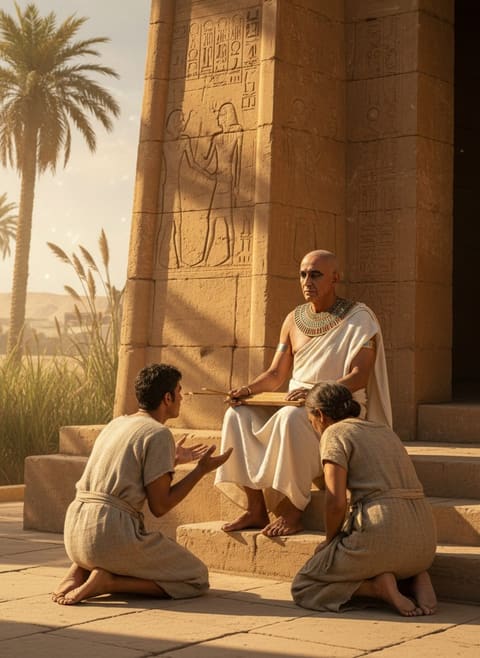
Amenhotep son of Hapu was born around 1425 BCE in the town of Athribis, situated in the verdant expanse of the Nile Delta north of Cairo. The son of Hapu and Itu, Amenhotep ventured into the world of learning through local libraries and a scriptorium, mastering the skills of reading and writing that would soon secure his position, first as a Scribe of Recruits. His talents in organizing labor and managing the manpower for Pharaoh's projects quickly earned him recognition.
As a priest and a herald under Pharaoh Amenhotep III, his influence spread across the kingdom. The Nile's banks bore witness to his architectural genius; he was instrumental in envisioning colossal works such as the mortuary temple of Amenhotep III, now known chiefly by the two soaring Colossi of Memnon that survived its ruin.
It is said that the quarry of El-Gabal el-Ahmar, which supplied the massive stones used in the Colossi, was also under his oversight, all remarkable feats for a man climbing to prominence without noble heritage.
Read next: Horemheb Erased Three Pharaohs' Names and Wrote His Own
The Monumental Task: The Third Pylon
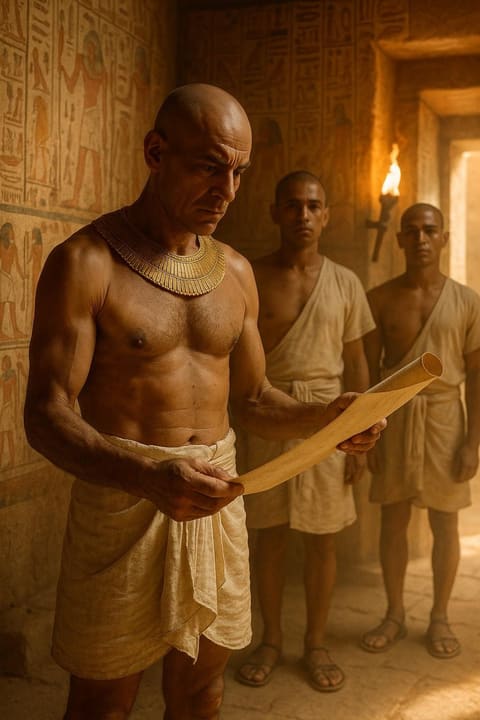
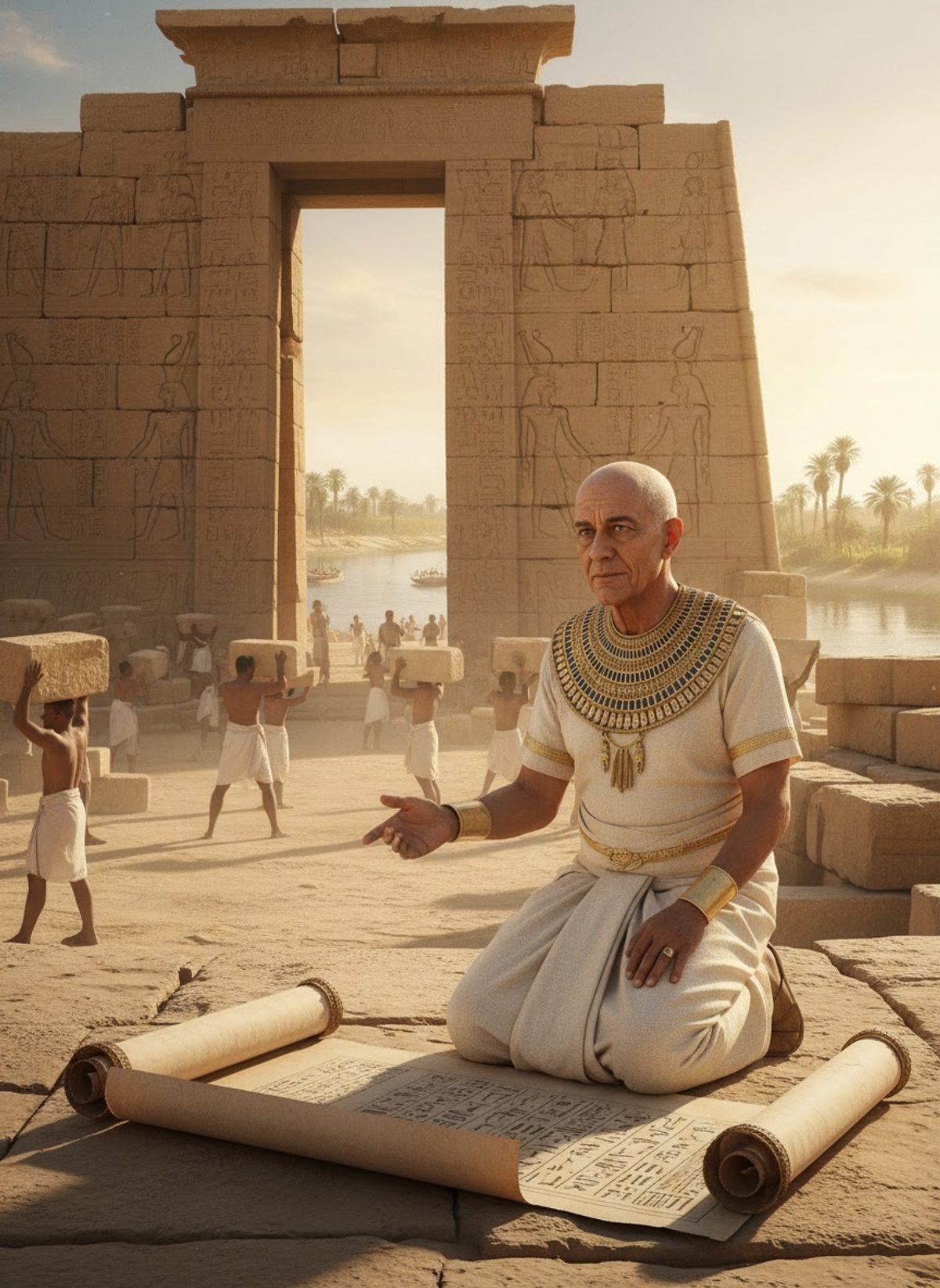
In 1380 BCE, under the scorching Egyptian sun, Amenhotep son of Hapu began setting pen to papyrus to plan one of Karnak Temple's critical expansions—the Third Pylon. With the weight of his accumulated wisdom and seventy years of life's experience, Amenhotep worked tirelessly. Though entering the twilight of his career, his architectural prowess was unparalleled, and his ability to organize and inspire was undimmed.
Situated on the vast religious complex that is the Temple of Karnak, the Third Pylon needed to unite the intricate artistry of Egyptian architecture with the symbolic power central to religious practices at the heart of the Egyptian empire.
His design was to ensure that the pylon would serve as a monumental gateway, embodying both grandeur and spiritual purpose. Despite the immense challenge of constructing such edifices, which required coordinating thousands of workers and resources, Amenhotep's plans laid the foundation for what would become one of Karnak's iconic features.
Recognition and Deification
Amenhotep's eventual retirement from civil service did not dim his light. Elevated to the position of steward for Princess Sitamun, Amenhotep's distinguished career earned him extraordinary honors, such as the title Fan-bearer on the Right Side of the King. This title was not just ceremonial— it indicated a closeness with royal circles and an influence that extended into the religious and civic spheres.
Read next: Sinuhe Fled Egypt. Then He Begged to Come Home.
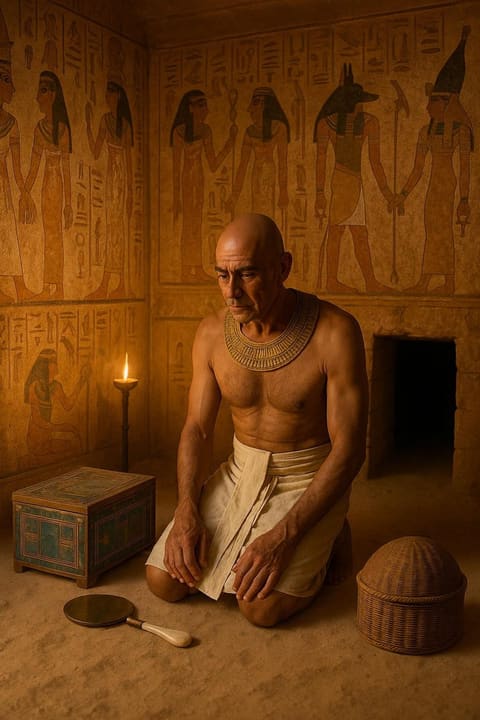
Upon his death around 1359 BCE or possibly 1357 BCE, his impact on Egyptian culture only swelled. Like the esteemed Imhotep before him, Amenhotep was deified and worshipped as a god of healing. Statues captured his likeness, both in youthful vitality and reflective old age, reinforcing his enduring influence.
His worship persisted through the ages, persisting across dynasties with temples and chapels dedicated in his honor, such as those at Deir el-Medina and Deir el-Bahari. It was in these places that his connection as an intermediary with Amun was most felt, his cult offering solace and hope for healing.
The Legacy of an Incomparable Career
Amenhotep son of Hapu occupies a unique place in history—a figure whose extraordinary aptitude and dedication earned him a legacy greater than that of many kings. The honor of constructing his own mortuary temple, nestled among royal monuments, remains a testament to his contributions to ancient Egypt. His architectural and spiritual marks left imprints that would outlast the centuries, a rarity for any non-royal individual.
His story inspires a reflection upon the timeless influence one individual can wield through intellect, creativity, and service. Amenhotep's exceptional career exemplifies the potential for personal merit to bridge the chasm between common birth and eternal honor, reminding us that greatness resides not in the circumstances of one's birth, but in the extraordinary feats achieved during one's lifetime. In Amenhotep's case, it was a legacy cast in stone and spirit, resounding through the ages as firmly as the temple walls he built. His life is a beacon for those who defy limitations and craft enduring legacies through their talents and dedication.