The Catalaunian Plains were a site of Roman triumph. Most have never heard of them.
The Rise of an Unlikely Protector
As the Western Roman Empire crumbled under the weight of internal strife and external invasions, a singular figure emerged who would defy the inevitable pulling apart of Rome's once-great dominion. Flavius Aetius, born around 390 in Durostorum, Moesia Secunda, carved his place in history as a military genius in an age when Rome desperately needed one. From a young age, Aetius was a walking tapestry of Roman and barbarian confluence, a feature that rendered him unique among Roman generals. Raised partly among the Visigoths and later the Huns, Aetius absorbed the martial prowess of these groups, preparing him for the complex threats of the fifth century.
By 433, after establishing himself under the regime of Joannes and later successfully navigating the turbulent politics surrounding the Western throne, Aetius became the de facto power behind Emperor Valentinian III. For two decades, he was the linchpin keeping the Western Empire from disintegrating entirely, managing its diverse barbarian federates with striking diplomatic skill. It was a time when internal power struggles and external pressures threatened to extinguish the light of Roman civilization in the West.
Aetius understood better than most the futility of relying solely on Roman might. He began to think of alliances not just as opportunistic measures but as essential, calculated manoeuvres to hold back the tides threatening to wash over Roman lands. By 451, the Huns, under their fearsome leader Attila, had demolished a path across northern Gaul. Having burned vibrant settlements to the ground, Attila's forces had approached with an air of invincibility. Aetius, however, would mount what many deemed an impossible counter: a united front comprising Romans, Visigoths, Franks, and a litany of other historically antagonistic peoples.
Read next: The Menin Gate Buglers Have Played the Last Post Since 1928
The Dance of Allies and Enemies
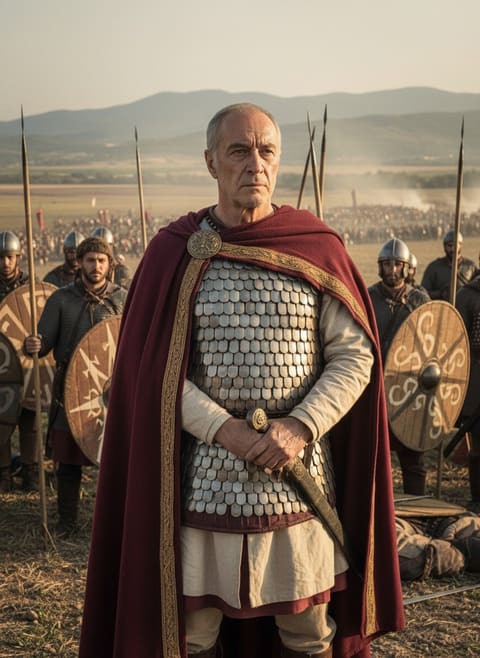
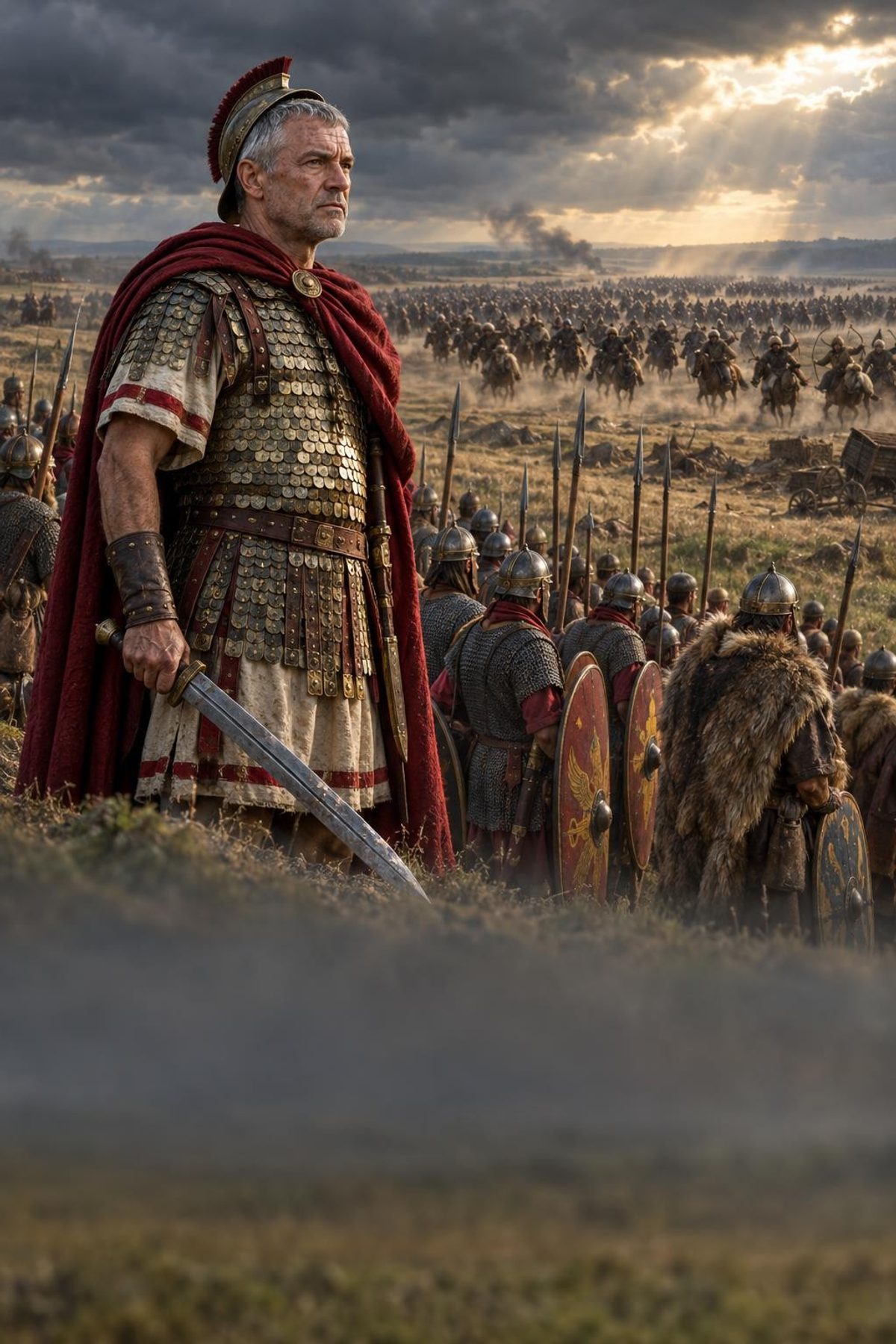
The legendary stand at the Catalaunian Plains was not merely a military engagement; it was an intricate dance of alliances and enmities. The field of battle, located near what is today Châlons-en-Champagne, was more than just a geographical setting—it was a battlefield laden with the heavy expectations of disparate groups unified against a common foe. This coalition of Romans led by Aetius, Visigoths under Theodoric I, and a multitude of Frankish tribesmen became a testament to the raw force of necessity.
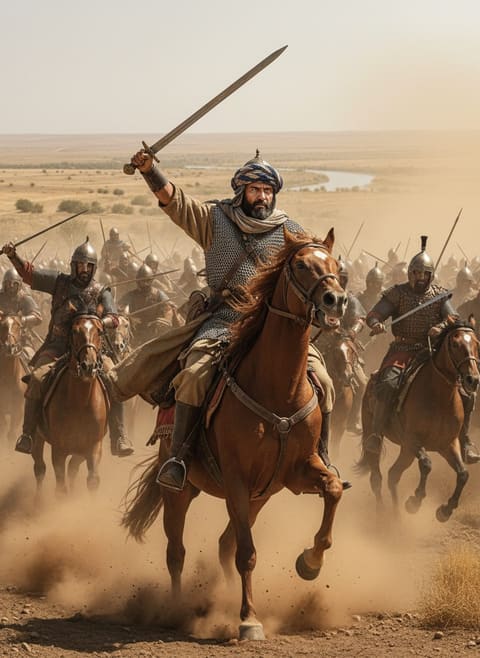
On June 20, 451, surrounded by the relentless beats of war drums and the cries of charging men, the battle commenced. The Romans faced the Huns' famed cavalry, their terrifying archers casting dark shadows upon the plains. Amidst the chaos, Aetius and his disparate allies fought with a resonance rarely recorded in history; the charge was not one of a suicidal last stand, but of calculated survival. The Visigothic king, Theodoric, fell in the fray, but his sacrifice ignited a fervor among his men, turning the tide against Attila's forces.
Significant though the Roman capacity for warfare remained, it was a combination of heroic will, tactical acumen, and impassioned alliances that held the line. Attila, who had forged an empire through sheer force and fear, found his match in a coalition of former adversaries, each aware of the price of failure—their own extinction. As darkness swept across the plains, echoing with the final cries of combat, it became clear: Attila had been checked, albeit not annihilated. Nevertheless, his myth of invincibility was shattered.
Read next: Betty Ong Radioed American Airlines for 23 Minutes From Flight 11
The Aftermath and Legacy of Catalaunian Plains
Aetius’ remarkable feat at the Catalaunian Plains remains etched in history not simply as a military victory but as a pivotal moment for the Western Empire that it so desperately needed. Despite its defensive stance, Aetius' success temporarily alleviated the looming existential threat of the Huns, reinforcing the credibility of an empire in its twilight. Yet, vindication was but a fleeting reward. Attila would return the following year, crossing into Italy in a campaign marked by devastation, even as Pope Leo I met him to avert further calamity.
The aftermath of the battle showcased the ephemeral respite Aetius had afforded the Western Roman Empire. The internal machinations soon turned treacherously against the victorious general himself. In 454, as he stood at the zenith of his influence, Aetius was assassinated by Emperor Valentinian III, who feared his power and influence within a crumbling court. His death marked a prelude to further decline, a contributing factor to the eventual fall of the Western Empire.
The battle of the Catalaunian Plains serves as a stark reminder of the turbulent era; its lessons echo into the present day. The ability to form unlikely alliances in the face of mutual annihilation, as demonstrated by Aetius, underscores a timeless principle: strength often comes not from arms alone, but from the unity and cunning of those desperate to endure. It is a legacy that speaks to the tenacity and ingenuity required to face insurmountable odds and a testament to the profound impact a singular effort can leave on the uncertain tapestry of history.