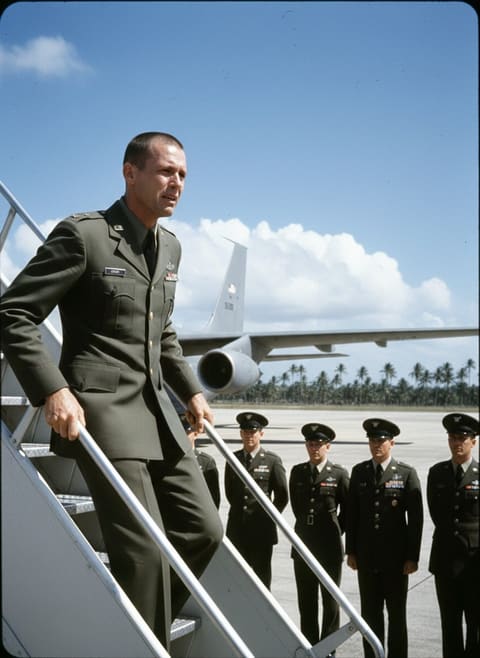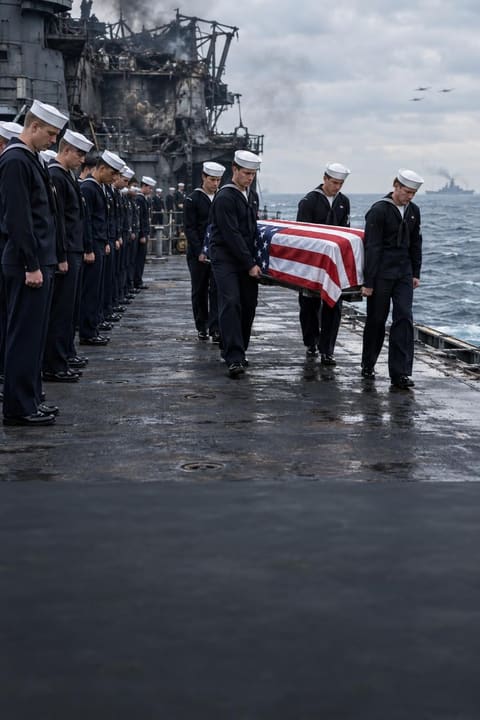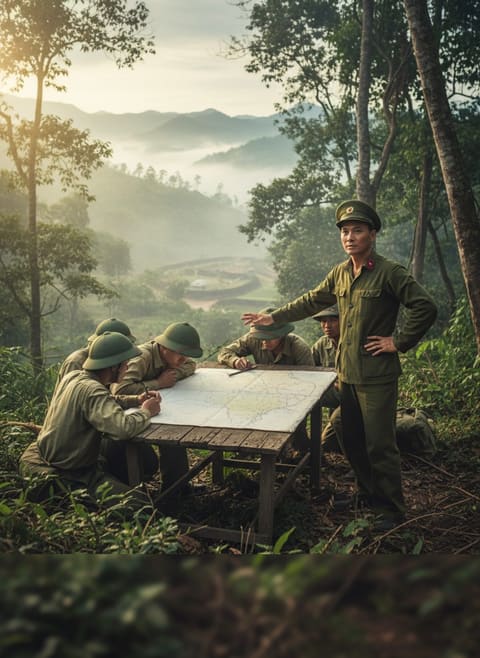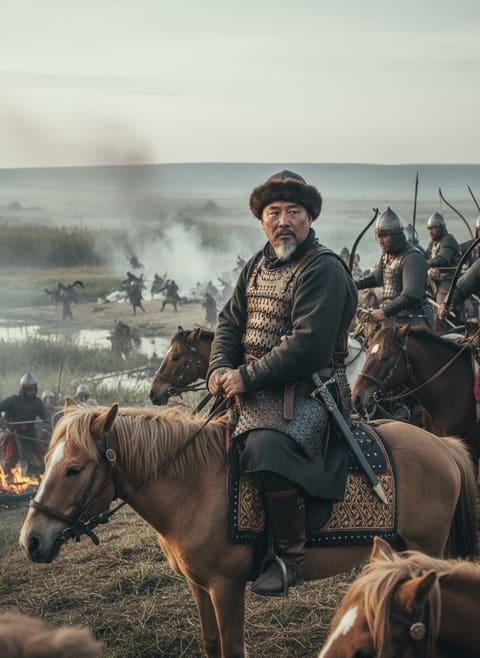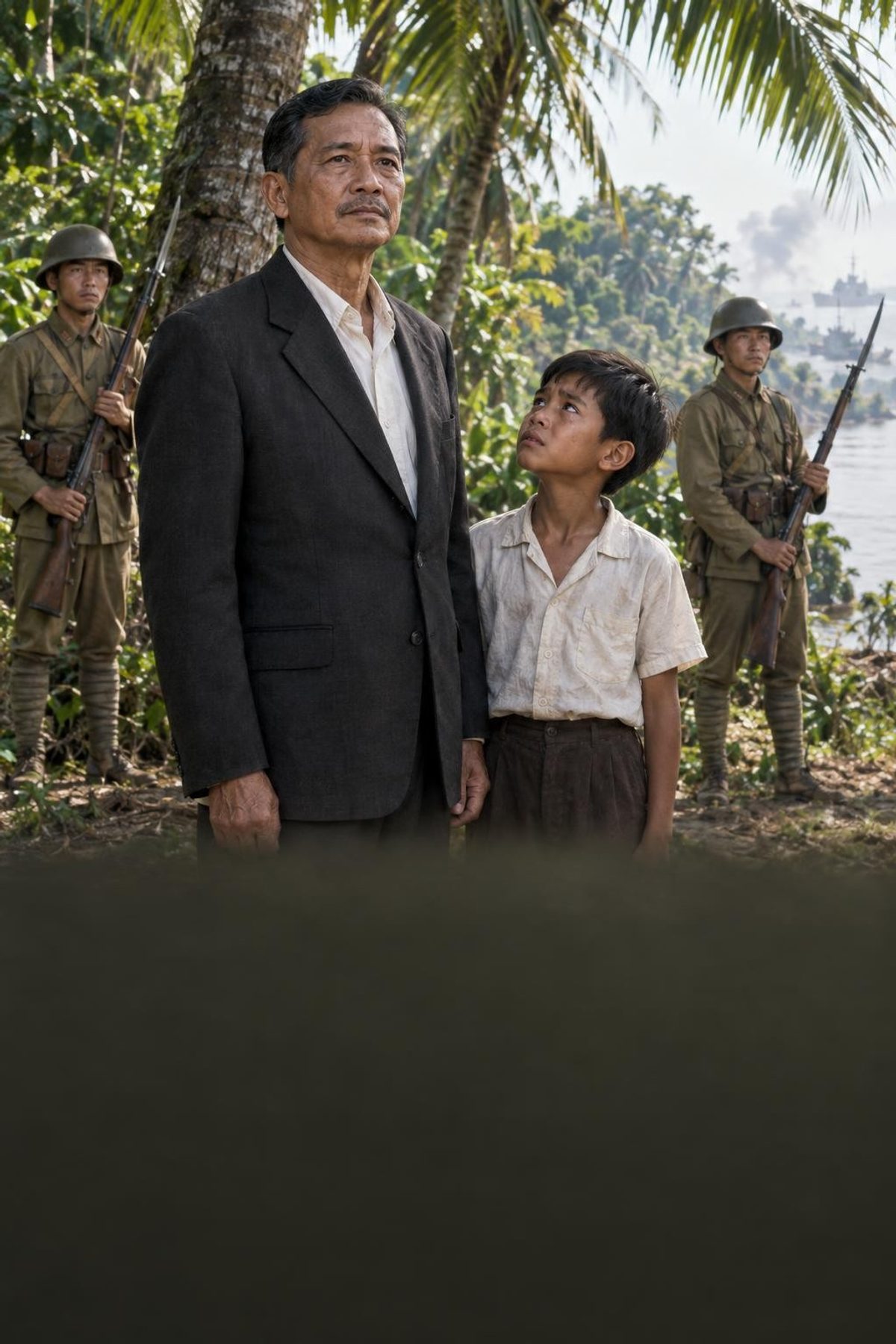
May 1, 1942. A gentle breeze swept across the shores of Parang, Cotabato, as dawn broke. In the quiet of this early morning, a car carrying an extraordinary Filipino figure rolled to a halt under the shadow of Japanese occupation. The man inside was José Abad Santos, the acting head of the Philippine government. His fate on this day would carve his name into the history of a nation under siege.
A Man of Law and Honor
Born on February 19, 1886, in San Fernando, Pampanga, Abad Santos emerged from a family steeped in integrity and public service. From a young age, education was his shield and intellect his sword.
He pursued his law studies across prestigious institutions in the United States, returning to the Philippines armed with knowledge and a potent sense of justice. By 1932, he was an associate justice of the Supreme Court of the Philippines, and by late 1941, he rose to the esteemed position of Chief Justice.
With the outbreak of World War II, Abad Santos' role transcended the courtroom. He courageously assumed critical wartime duties as the nation's acting president when President Manuel Quezon and his government were relocated due to the advancing Japanese forces.
Read next: Eugene Lazowski Faked a Typhus Epidemic and Saved 8,000 Lives
His responsibilities expanded to directing the military and piloting critical administrative functions as the Commonwealth government tried to outmaneuver the looming threat. Yet, in these challenging times, it was not just laws he upheld but also the dignity and spirit of his people.
Under the cloak of early 1942, as the Japanese tightened their grip on the Philippines, Abad Santos' patriotism was tested to its ultimate limit. The very fabric of his convictions was woven into every decision, a testament to a steadfast man unwilling to yield to the pressures of collaboration for the sake of survival.
Refusal at the Cost of Life
April 1942 brought harsh tides as the Japanese occupation spread across the Philippine archipelago. Abad Santos, now the embodiment of the beleaguered Philippine government, found himself a captive of the Japanese in Cebu. Offered his life in exchange for collaboration, the price was clear: his soul for surrender of his principles. But as history would record, José Abad Santos was not a man to be swayed even by the threat of death.
The serene dignity of Abad Santos was evident in the way he confronted his captors. He showcased an unwavering fortitude that belied the harsh reality of his imprisonment.
"It is an honor to die for one's country," he declared to his son, his words carrying the weight of a heart dedicated to freedom and honor over coercion. When the moment came, he declined the blindfold and rejected the last cigarette, meeting his executioners in the full strength of his conviction—eyes open, unflinching, standing tall against tyranny.
A Son’s Search and a Nation’s Memory
For Abad Santos' son, it was a lifelong journey of searching. The execution of his father left not just a palpable void of leadership in the Philippine landscape but a personal quest of immense gravity. Abad Santos' final resting place became a mystery, a poignant symbol of his sacrifice—unmarked, unknown, yet carved deeply into the hearts of those who knew him and the countless Filipinos who would later learn of his valor.
While efforts to locate his grave lingered into quiet desperation, his essence resonated in the very spirit of the nation. His legacy found its most visible homage on the Philippines' 1,000-Peso banknote, a solemn tribute to his unwavering stand during the dark times of occupation. With fellow martyrs, Josefa Llanes Escoda and Vicente Lim, he remains immortalized as a beacon of defiance and integrity.
Read next: Ben Ferencz Prosecuted 22 Nazi Commanders at Age 27
The Indelible Mark of Integrity
José Abad Santos’ story is one not merely of resistance but of an unyielding adherence to principle that echoes through generations. His refusal to collaborate was not merely a defiance of foreign occupation; it was a testament to what it means to bear the weight of one's convictions under the harshest scrutiny.
His valor calls us to reflect on the broader narrative of human dignity—a poignant commentary on the enduring power of unwavering ideals in the face of seemingly insurmountable odds.
In the modern tapestry of Philippine history, Abad Santos stands as a reminder that honor and resilience can thrive even in adversity. His life and ultimate sacrifice remind us that the core of leadership often lies in choosing the difficult path—bearing no regrets, accepting no compromises, except those that uphold the law of one’s own deeply held beliefs.
In an era when the world grapples with notions of integrity, his story continues to inspire, urging each of us to ponder the true cost of freedom and the enduring spirit of a nation united by courage and uncompromised conviction.