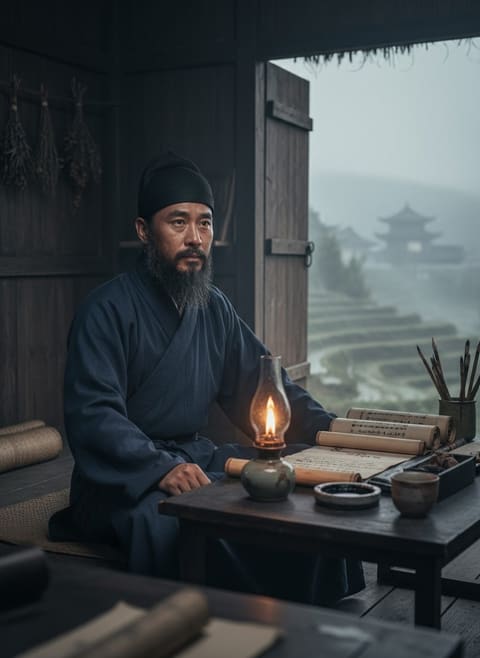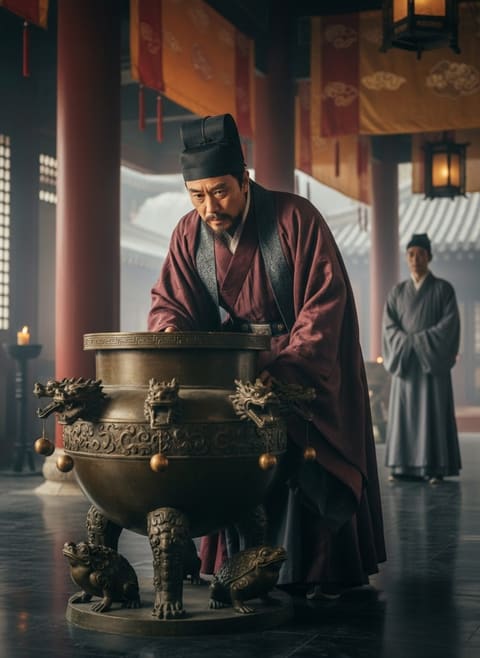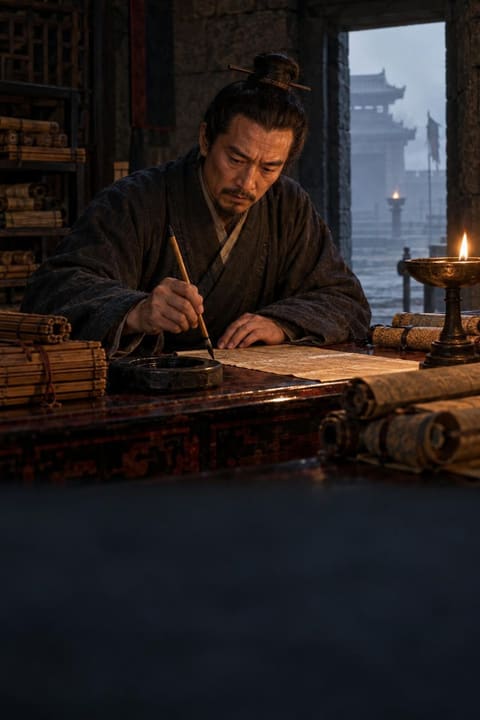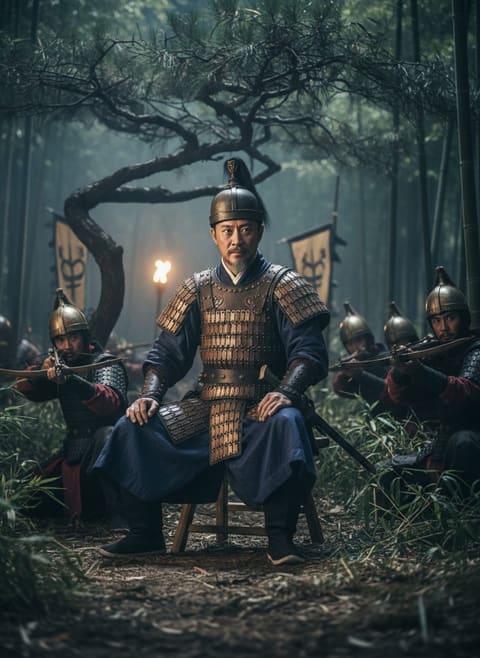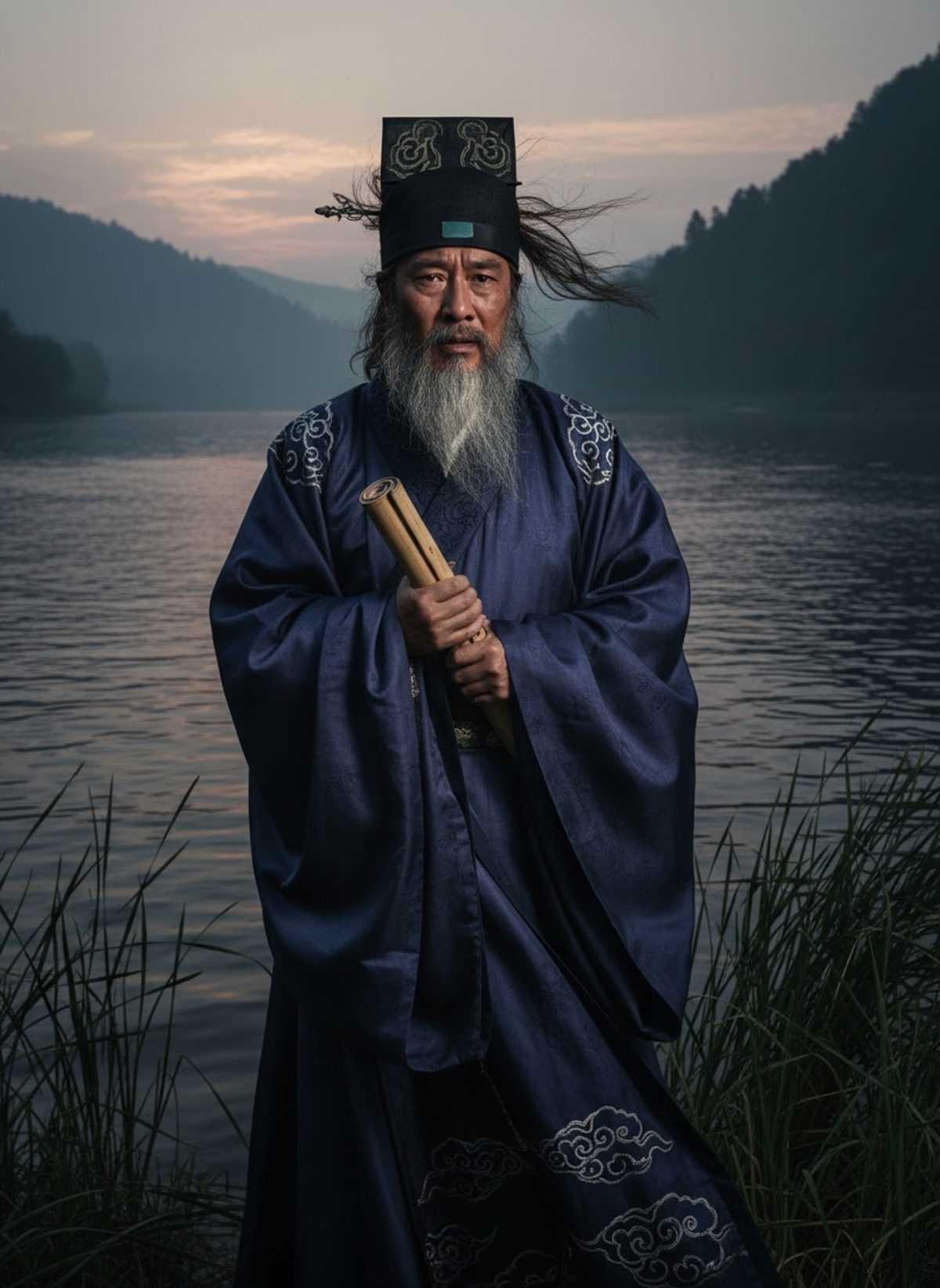
He wasn't a warrior. Yet Qu Yuan is remembered more vividly than many ancient generals. While armies clashed and kingdoms rose and fell, he wielded words—powerful, evocative words that forecast doom amid turmoil in ancient China.
Whispers of Warning
During the tumultuous Warring States Period, power ebbed and flowed between seven major states struggling for dominance. It was the Kingdom of Chu, in what is now central southern China, that Qu Yuan called home. He distinguished himself not only through his poetic brilliance but as a loyal minister who sought to guide his kingdom through turbulent waters.
Qu Yuan’s rise to prominence began as an advisor to King Huai of Chu. Trusted initially, he advocated for alliances with other states to counter the growing threat of Qin, a formidable rival with ambitions of unity through conquest. Qu Yuan's foresight, however, was met with skepticism and intrigue. Jealous officials schemed to undercut his influence, warping the King's perception of Qu's motives and whispering lies.
Exiled from the court, Qu Yuan could do little but watch as the kingdom he loved ignored his advice and plunged headlong toward ruin. His responses took form in verse, with compositions such as "Li Sao"—a mournful lament of loyalty turned away, resounding with both a deep love for his land and a fateful forewarning.
Read next: Zhu Shijie Unified Two Rival Maths Traditions in One Book
Yet the halls of power were deaf to his cautions. In 278 BCE, when the forces of Qin finally descended on the capital Ying, sealing Chu’s downfall, Qu Yuan's voice, once dismissed, echoed with an undeniable truth. It was a devastation he had long foreseen, though it provided no solace to a heart in turmoil.
The Plunge Into Legend
Defeated in spirit, Qu Yuan's final days turned inward, his grief inexpressible except through his poetry. On a day shrouded in myth as much as history, the poet is said to have walked the dusty path leading to the Miluo River, near what is today Miluo City in Hunan Province. The river, now a quiet tributary, became the focus of a moment that would reverberate for centuries.
Observers later described how Qu Yuan composed his final ode by the riverbank, a poetic parting with a land that had lost its way. Words penned, his resolve solidified. He stepped into the water, leaving behind a legacy that extended far beyond the ripples of the Miluo.
His death was more than a personal tragedy; it was a cultural shockwave felt across the ancient world. This ultimate act of devotion and despair sparked a spontaneous outpouring from the people who revered him. Villagers are said to have boarded boats, paddling frantically across the waters in a desperate attempt to save him or perhaps retrieve his body. Though he was not found, the spectacle sparked a ritual that survives today.
The annual Dragon Boat Festival, marked by vibrant boat races, stems from this profound act—an embodiment of communal memory, loyalty, and the enduring power of art to move nations.
Read next: Xie Daoyun Composed a Poem Mid-Blizzard and Silenced Her Uncle
The Echoes of a River
Why has Qu Yuan's story resonated so deeply through the ages? In ancient Wu and Yue, regions where dragon-boat traditions predated his time, the festival adopted his narrative—a perfect fusion of existing cultural practices with his singular story of sacrifice. Yet, it is more than historical happenstance that secured his place in cultural memory.
Qu Yuan's tales and poems—rich with symbolism and human emotion—speak beyond their era to universal themes of integrity, belief, and the perils of ignored wisdom. His story underscores how art can encapsulate hopes and fears, making them palpable for generations.
Today, while the boats race and drums beat on the River Miluo’s tranquil waters, they replay a story not of a lost minister but of a spirit sharing in the triumph and folly of every age. Qu Yuan, the poet who never bore arms, continues to unite a nation in memory—not as a ghost of the past but as a vibrant reminder of art's power and a nation's shared heritage.
As legends of bravery and folly recede into history, here stands a reminder: while men may fall, their words, and the truths they carry, endure. Qu Yuan, who foresaw the fall, became its most poignant legacy, inviting every paddler to race against the inevitable tide, defiantly chanting the truths their ancestors heard too late.