The Battle of Kadesh is etched deeply in history as one of ancient Egypt's most iconic encounters. Yet, it ended not in the glory of victory but in an unresolved stalemate. How did such an inconclusive battle lay the groundwork for a monumental breakthrough in human diplomacy?
The Clash of Giants at Kadesh
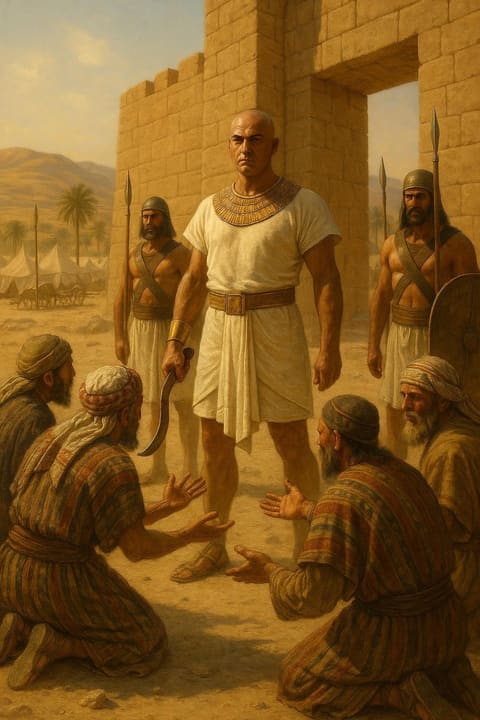
In 1274 BC, the formidable pharaoh Ramesses II, ascending the Egyptian throne just a few years prior, faced the might of the Hittite Empire, led by King Muwatalli II, at the Battle of Kadesh. Situated on the Orontes River in present-day Syria, Kadesh was a strategic prize coveted by both powers. Ramesses, confident and ambitious, sought to expand Egypt's influence, using his newly established capital, Pi-Ramesses, as his campaign base.
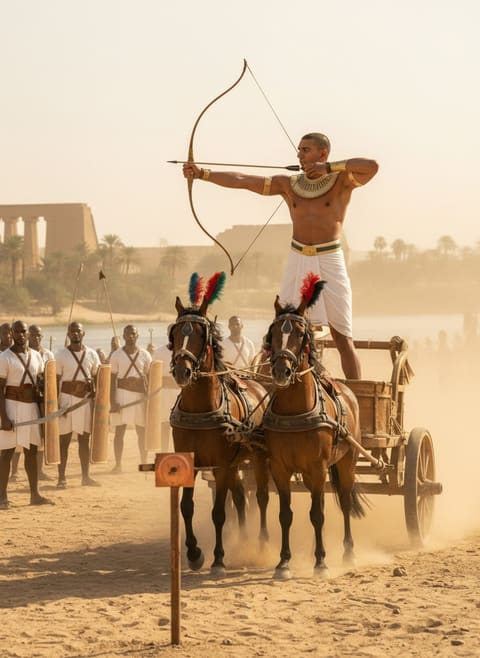
The decisive clash was grand in scale, involving thousands of chariots and infantry. Ramesses II, also hailed by later generations as the "Great God" due to his achievements, entered the battlefield with high expectations. The Egyptians, fuelled by early successes in the Levant, were prepared for victory. Yet the cunning strategy of King Muwatalli caught Ramesses off guard. The Hittites feigned a retreat, drawing Egyptian forces into an ambush that nearly tilted the tide against them.
Amid the chaos, Ramesses reportedly called upon his patron deity, Amun, for divine assistance. Despite the initial disadvantage, the Egyptians managed a tactical recovery, and the day ended without a clear victor. There was no triumphant return to Egypt with tales of an unquestionable win.
Read next: Amenhotep Son of Hapu Planned Karnak's Third Pylon at Age 80
Instead, both sides claimed triumph, inscribing their achievements on temples and monuments as propaganda tools to solidify their power back home. Yet under these layers of ostentatious self-proclamation lay a simple truth: the battle was a draw.
Although the Battle of Kadesh resolved little on the field, it catalyzed significant historical developments in diplomacy. Over sixteen years, skirmishes and negotiations filled the void left by indecisive combat, leaving both empires in a weary deadlock. However, out of this attrition arose a profound shift in how ancient powers viewed conflict and peace.
The Genesis of an Unprecedented Accord
By 1258 BC, the burdens of sustained warfare had become apparent to both realms. Ramesses II, now entrenched as a seasoned ruler, and Hittite King Hattusili III, successor to Muwatalli, faced internal and external pressures that steered them toward an innovative solution: formalized peace. The treaty crafted, often heralded as the first known international peace accord, was not a mere verbal handshake but a comprehensive agreement immortalized in text.
Hattusili and Ramesses both had much to gain. For Hattusili, who secured his throne through a challenge to the previous ruler, solidifying his kingship by achieving peace with Egypt was a strategic political consolidation. For Ramesses, continuing his father’s legacy and securing Egypt's northern borders became imperative. The treaty not only settled territorial disputes surrounding Kadesh but also established terms for mutual defense, ensuring that no future enemies could exploit their enmity.
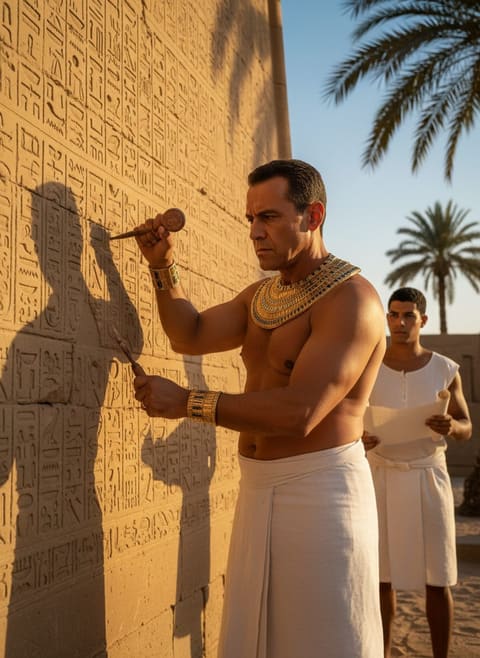
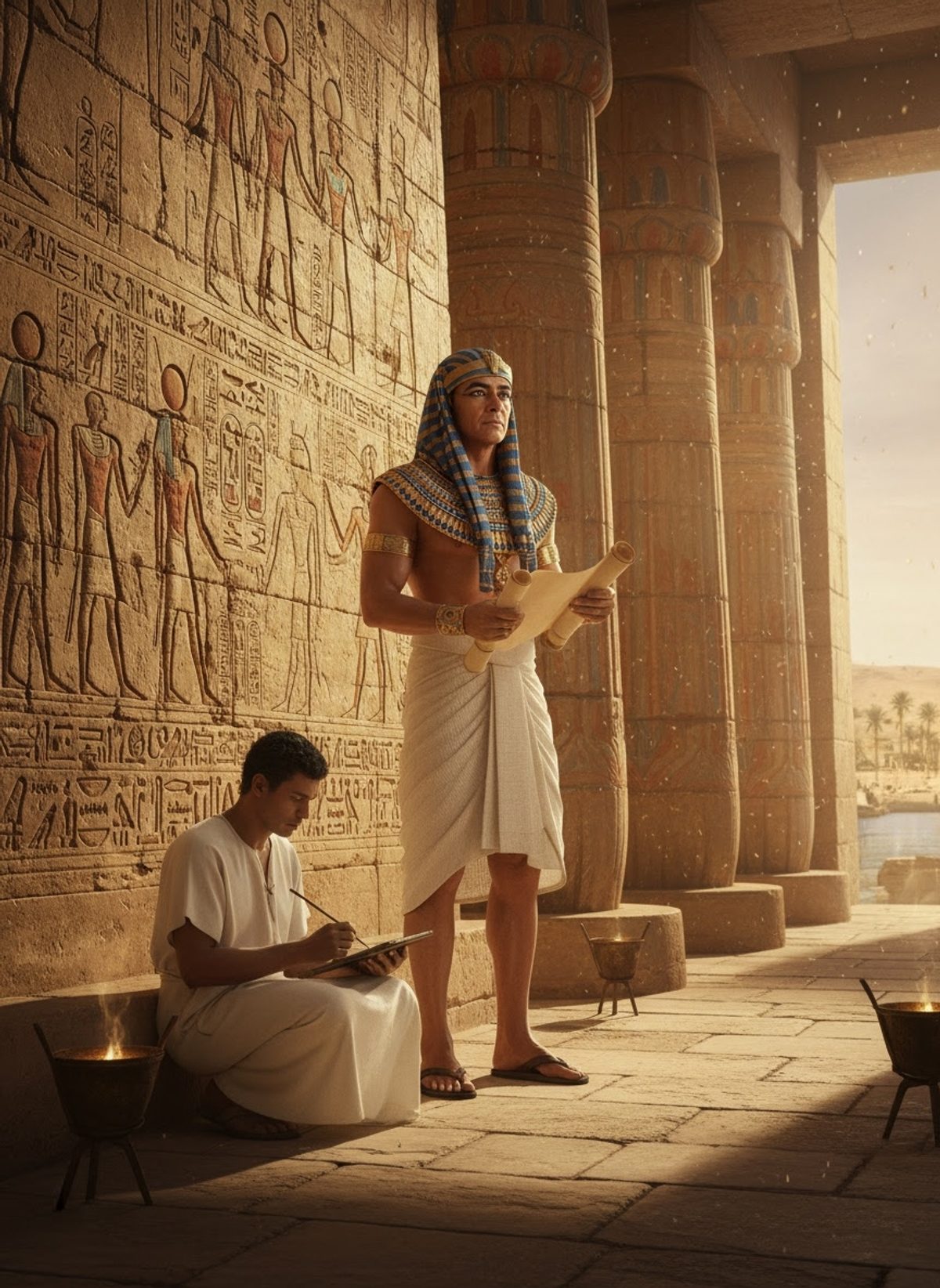
This ancient pact was extraordinary not just for its existence but for its documentation and preservation, aspects that make it invaluable to historians today. Carved in hieroglyphs at Karnak in Egypt and preserved in cuneiform tablets at Boghazköy, modern Turkey, the peace treaty explicitly laid down terms still visible to us today, even commemorated at the United Nations headquarters. The silver tablets exchanged between them underscored their commitments and mutual respect.
Read next: Thutmose III: The Pharaoh Who Won 17 Campaigns in 20 Years
Its terms were notably lucid for the time, addressing extradition of refugees and bilateral resolutions to internal strife, emphasising cooperation akin to diplomatic relationships we recognize today. This agreement set a precedent by acknowledging that even mighty empires with grand ambitions must find common ground to ensure stability and prosperity.
A Diplomatic Beacon for the Ages
The story of Ramesses II and the Treaty of Kadesh resonates with a timeless message about the power of diplomacy over conflict. It underscores that enduring peace can often serve better than a narrow victory, displaying a foresight that transcends millennia. As the paths of power and politics unfold through history, the implications of such pacts remind us of the shared humanity that drives the quest for harmony.
This ancient treaty shines as a beacon of rationality in a world frequently shaped by warfare. Ramesses' willingness to temper martial pride with diplomatic acumen stands as a distinguished example of leadership. Indeed, in our modern era, marked by complex international dynamics, the ghosts of Kadesh echo a reminder that even the most formidable rivalries can find resolution off the battlefield.
The legacy of the Kadesh Treaty extends beyond its etched words and symbolic gestures. It evokes a chapter in human history where the pen truly proved mightier than the sword, a narrative that offers profound lessons on the shared threads that tie ancient and contemporary worlds in a vivid tapestry of human progress.