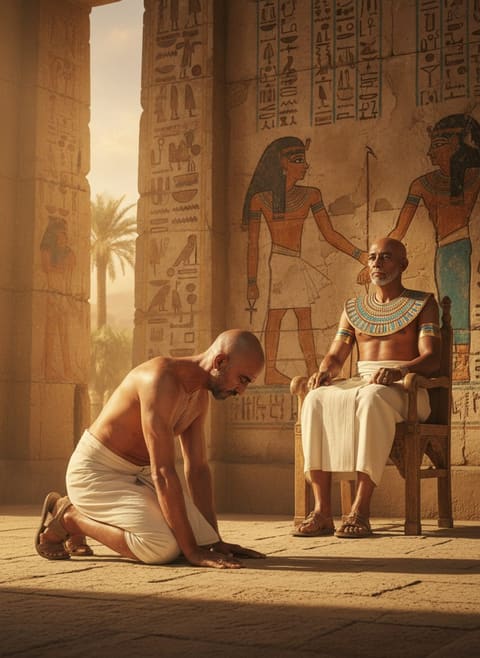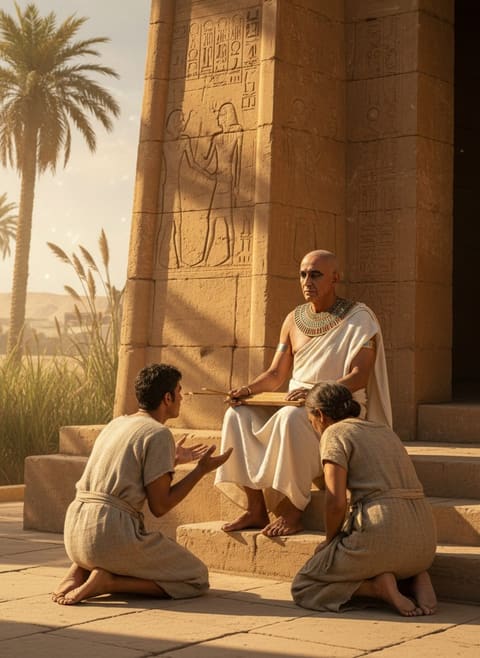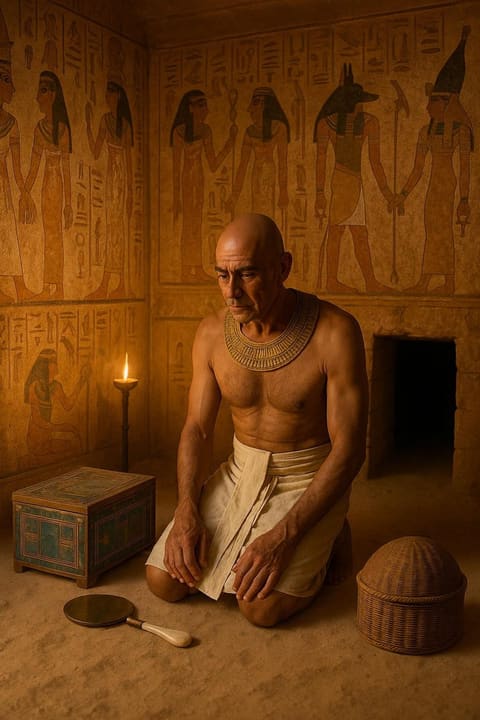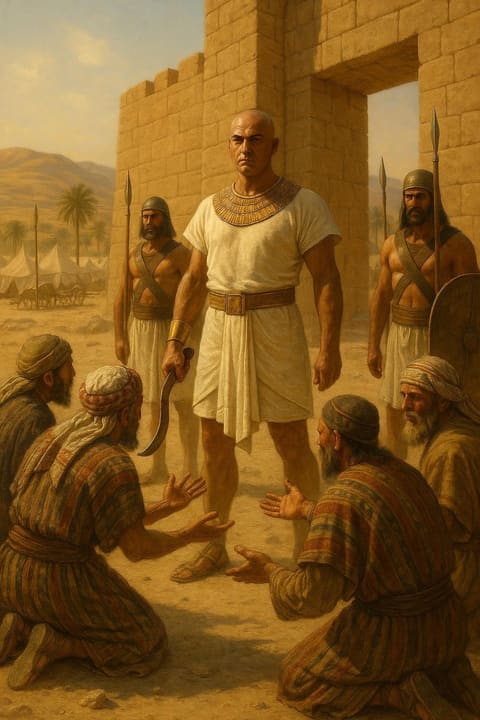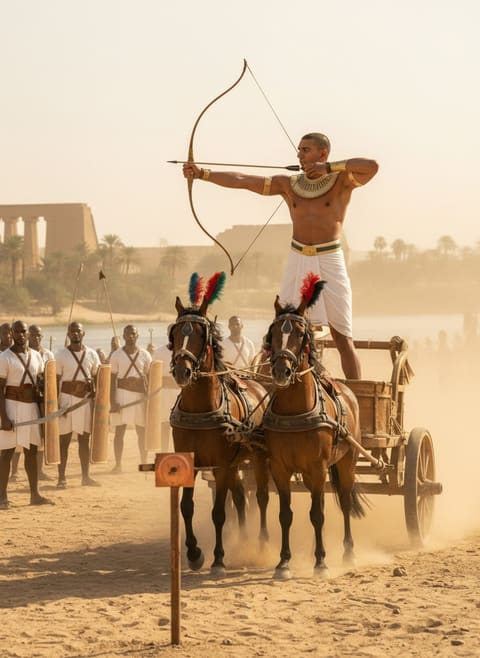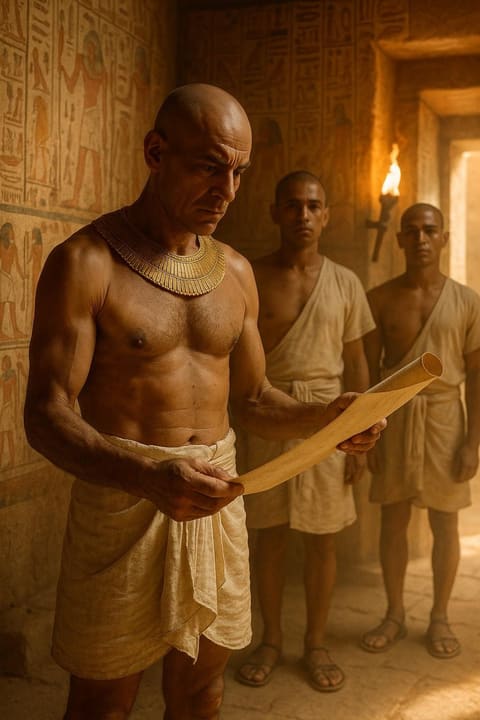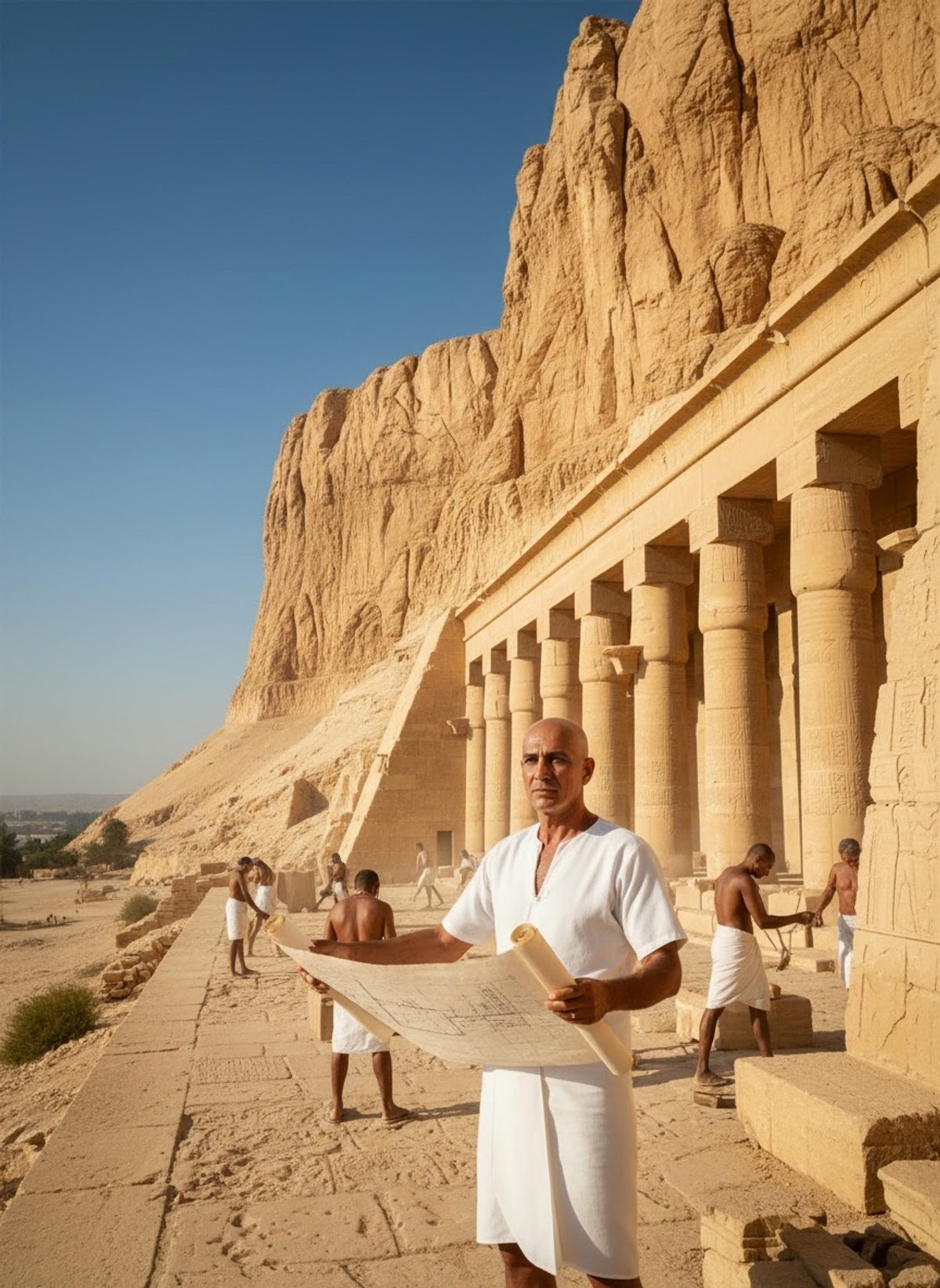
The rhythmic clang of chisels echoed throughout the limestone escarpment, where artisans, shrouded in the dust of their labors, hammered away laboriously at the rock face. Each strike was a testament to both the ambition of Hatshepsut, one of Egypt's most formidable pharaohs, and the genius of her loyal architect, Senenmut.
The winds carried the scent of incense from the Valley of the Kings, mingling with the sweat and sand, as they carved a masterpiece into the unforgiving cliffs of Deir el-Bahari.
The Vision of Hatshepsut
In a world dominated by male rulers, Hatshepsut stood as a beacon of unparalleled ambition and vision. Ascending to the role of pharaoh during the 18th dynasty, she was determined to cement her legacy in the annals of history.
Her reign, circa 1470 BCE, was marked by an unprecedented decision: to build a mortuary temple that defied tradition and captured the grandeur of her rule. This was not merely about burials; it was a statement, a symbol of divine favor and immense power.
Read next: Thutmose III: The Pharaoh Who Won 17 Campaigns in 20 Years
However, the true marvel was not just the scale of her ambition but the ingenuity of its realization. The task was entrusted to Senenmut, a man of humble origins who had risen to prominence through his extraordinary architectural talent. Together, they charted a course for the sublime. Their choice of Deir el-Bahari, with its steep limestone cliffs, was audacious. The temple would emerge not as a standalone structure, but one with the mountain, blending artfully with the natural world.
Senenmut: The Architect of Dreams
Born to commoners Ramose and Hatnofer, Senenmut's ascent in the Egyptian hierarchy is a story of talent triumphing over birthright. Initially serving as the "Steward of the God's Wife" and "Steward of the King's Daughter," his ties to the royal court allowed his architectural genius to shine. It was under Hatshepsut's reign that Senenmut secured his most enduring legacy.
Tasked with constructing the extraordinary Mortuary Temple of Hatshepsut, also known as Djeser-Djeseru, Senenmut's brilliance was evident in every aspect. The temple, whose name means "the Sublime of the Sublimes," was a marvel. It soared with colonnaded terraces that mirrored heaven itself, harmoniously coexisting with the limestone façade into which it was carved. Here, nature was not conquered but complemented, a testament to Senenmut’s vision.
With meticulous precision, Senenmut and his team carved three elegant terraces into the cliff's heart, interconnected with ramps and once vibrant gardens cascading from their edges. The temple's alignment with the sunrise during the winter solstice is a testament to his understanding of celestial patterns, reflecting a spiritual connection between Hatshepsut’s divine right to rule and the cosmos.
Read next: Horemheb Erased Three Pharaohs' Names and Wrote His Own
A Masterpiece Stands the Test of Time
The construction of the Djeser-Djeseru, nestled into its serene cliffside setting, took nearly fifteen years to complete. During this time, workers transformed the barren rock into a tapestry of delicate carvings and monumental elegance. The terraces, once adorned with lush gardens, stood beside obelisks that reached skyward, symbols of eternity and stamina. Stone reliefs vividly depicted Hatshepsut's divine birth and her expedition to the mysterious land of Punt, narratives illustrating her unassailable right to the pharaoh's throne.
But what sets Djeser-Djeseru apart is not just its beauty but its endurance. Though centuries have passed and empires faded, this temple remains, not merely as a relic of Egypt's past but as a reminder of a time when visionaries like Hatshepsut and Senenmut dared to dream. Their work transcended the mere mortar and stone; it ventured into the realm of the divine, leaving a legacy as the dawn danced across its terraces.
The Legacy of Hatshepsut and Senenmut
Why does Hatshepsut's temple matter in a world overshadowed by countless monuments? It tells the story of a queen who defied norms and reshaped what was possible, and of an architect who turned ambition into reality. This sanctuary, hewn from harsh limestone, whispers forgotten tales of wisdom and audacity—a reminder that human endeavor transcends the limits of time and circumstance.
In today’s world, the temple at Deir el-Bahari stands as a rare testament to ancient innovation and vision, prompting us to ponder the legacies we craft. Hatshepsut and Senenmut, in their daring collaboration, left more than a temple; they left an enduring call to aspire beyond the boundaries of our birth, to carve our place into the once-impenetrable cliffs of existence, and to imagine anew what structures humans might one day bring to life.