She wasn't a celebrated scholar or artist. Her legacy, however, is etched in the vivid patterns of silk that once adorned emperors and nobility.
Echoes of Carving in the Morning Light
In 1150 AD, the bustling city of Hangzhou awoke to the rhythm of daily life, yet in the stillness before dawn, a dye worker guided by the dim light of paper lanterns prepared for a long day of meticulous craft.
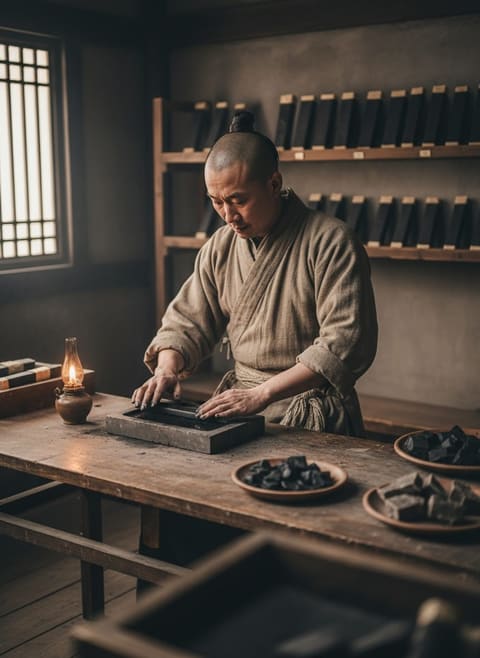
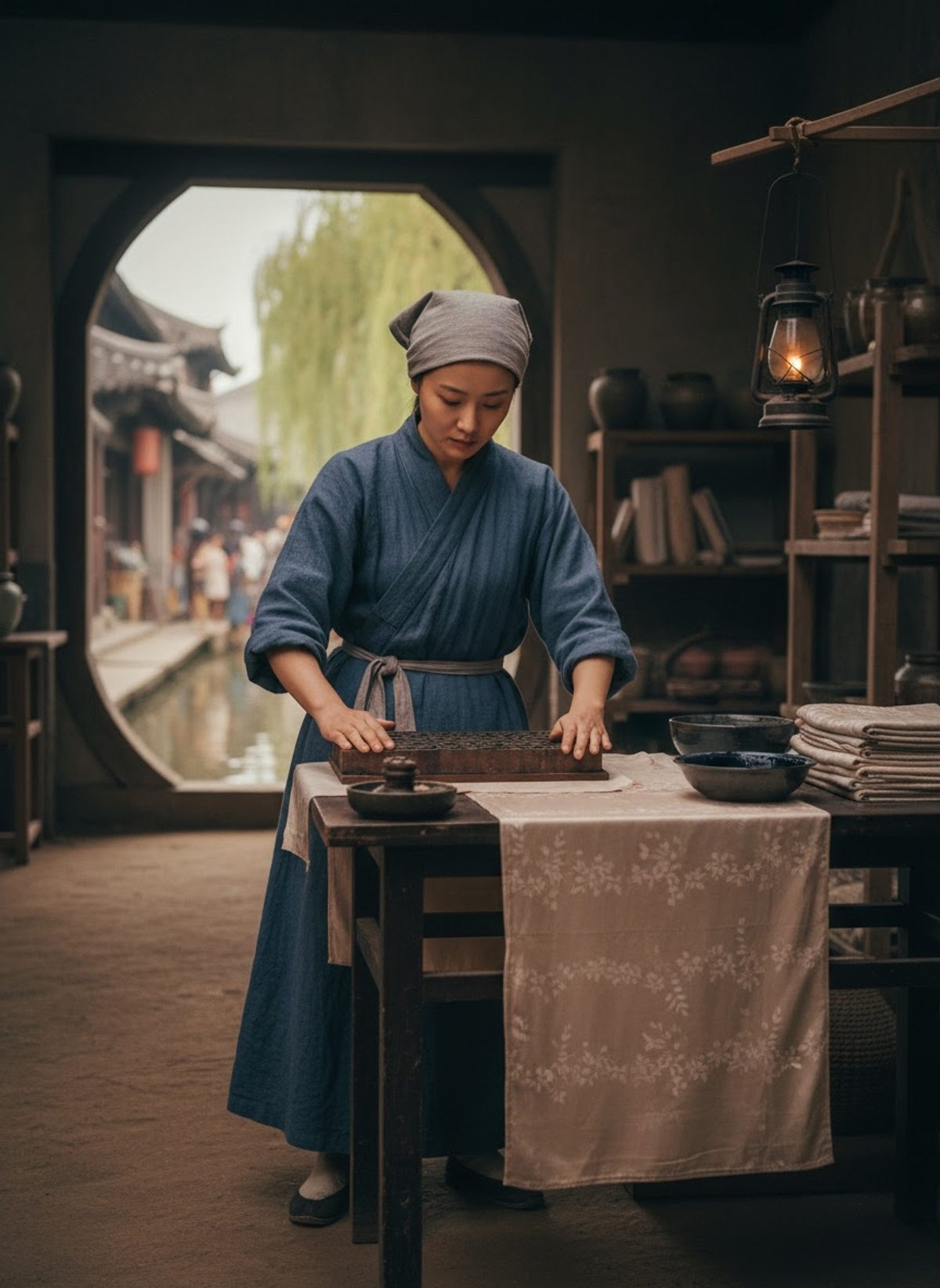
As lanterns swayed softly by the canals, she carved intricate patterns into wooden blocks with painstaking precision, each stroke a dance between patience and artistry. Unlike her peers in the grand porcelain kilns or tea-houses, her artistry lay hidden beneath the delicate silks destined for the emperor’s court.
The skill of these dye workers during the Song Dynasty was unparalleled. With a deft touch, blocks were carefully pressed and lifted in a perfect sequence onto the stretched, fine silk, a technique that preceded the modern printing methods by centuries.
Read next: Franksgiving: When FDR Moved Thanksgiving and Split America
Each piece required around forty prints to bring an elaborate robe to life, a testament to the labor-intensive process and exceptional focus. The end result was not merely a garment but a masterpiece representing a year's worthy wage for a skilled artisan, a price justified by the time, precision, and artistry involved.
The Marketplaces of Hangzhou
The meticulous work of these artisans supported a thriving textile sector that was pivotal to Song Dynasty economics. Hangzhou, nestled by the banks of the Qiantang River, had become the cultural and economic hub of Southern Song China following the dynasty's retreat south. The bustling marketplaces boasted canals bustling with trade and commerce, where silks flowed in from countryside workshops, finding their way into the hands of eager merchants and eventually to the extravagant homes of the elite.
This vibrant trade scene was invigorated by the centrally-located metropolis, rich with cultural exchanges. In Hangzhou's marketplaces, textiles weren't just sold; they became symbols of status, showcasing China's burgeoning middle class.
As the economic heart of the Southern Song, Hangzhou’s fashion scene was a vibrant tapestry of colors and patterns, heavily influenced by both internal growth and trade across China and beyond. The innovative production methods of local craftspeople set these societies apart, as Hangzhou textiles acquired a reputation that reached even the far shores of Arabia and Europe.
Read next: The 1621 Harvest Feast: What Two Short Accounts Really Say
The Artisan's Craft and the Alchemy of Color
The alchemy of dyeing was more than just about color. It was a mystical combination of raw materials and artisans’ guarded secrets. Varying from deep, rich indigo to fiery crimson and brilliant yellow, these colors were derived from plants, insects, and minerals. The vibrant hues demanded precision in both the quality and consistency of application to achieve the visual impact seen across esteemed fabrics displayed at courtly gatherings.
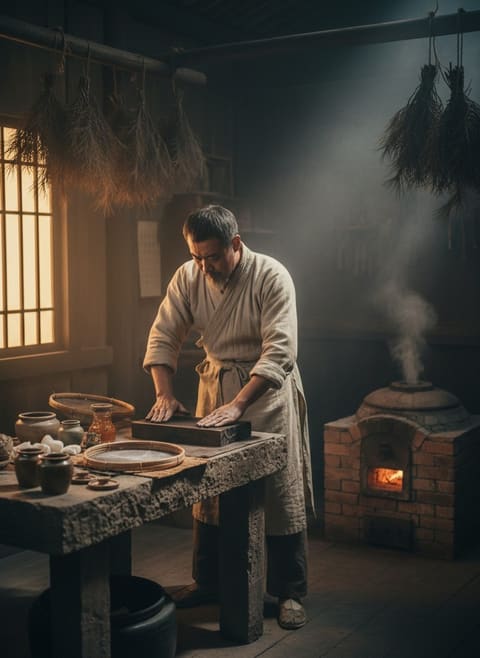
The process involved boiling natural materials over open flames, extracting pigments with expert timing to capture the purest colors. Textile workers, like those dyeing and block printing silks, developed an intimate knowledge of nature's palette.
Their success depended on the bond between each individual block and the dye, as the presence of too much moisture or a poorly carved block could spoil weeks of work. This required not only an artist's eye but a scientist's understanding of chemistry long before modern science had formulated it.
Artisans and the Pulse of History
The legacy of Song Dynasty dye workers extends beyond fabric and wealth; it lives through the evolution of craftsmanship and cultural exchange. These artisans laid down the foundation for printing innovations that would eventually transform global communication and art. In an age where mass production has shifted the handmade to the periphery, appreciating the artisanal dedication of Song Dynasty textile workers reminds us of the vivid vibrancy within every block print.
Contemporary readers might see traces of tradition and understand that for all its advancement, technology still finds itself trailing in the footsteps of history's greatest creators. The simple elegance of a hand-carved block played a foundational role in what would become an enduring cultural expression that even modern advancements can admire. This story thrives as a beacon of the silent mastery hidden amidst dynastic struggles, illustrating how the hands of the overlooked have left their indelible mark on the pages of history.