The ink makers of Hangzhou were alchemists of sorts. Despite their seemingly mundane trade, they crafted items as precious as gold.
Crafting Black Gold
In the bustling streets of Hangzhou during the Southern Song dynasty, where the aroma of street vendors’ delicacies intermingled with the chatter of passersby, a less conspicuous yet crucial craft unfolded in workshops nestled deep within the city's ink quarter.
Amid the clatter and hum of daily life, there was a nearly mystical process that would produce one of the most valued commodities of its time: ink sticks. These artisans spent days and nights transforming ordinary pine soot into elegant sticks of ink, meticulously crafted for the calligraphers and scholars of the empire.
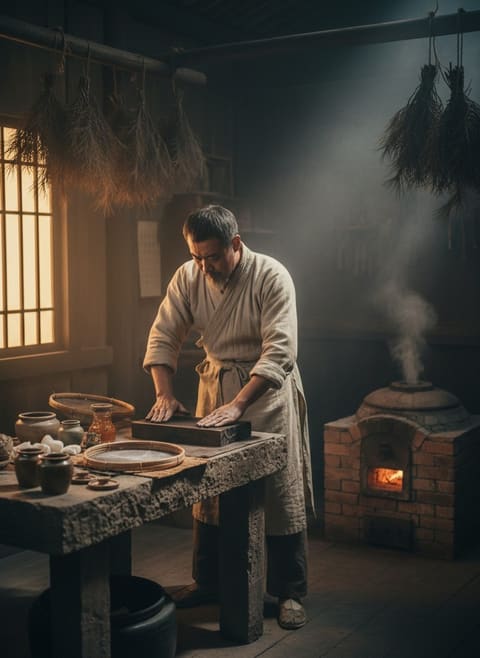
The process began with a simple but labor-intensive task: burning pine wood for days in specially designed stone chambers. This wasn't just a matter of tossing some logs onto a fire.
Read next: The 1621 Harvest Feast: What Two Short Accounts Really Say
Workers chose each branch carefully, ensuring it was the right kind to produce the dense, fine soot required for high-quality ink. The stone chambers, stained by countless fires, transformed into temporary embers to forge this black gold. A single oversight could affect the consistency, transforming an entire batch into a wasted effort.
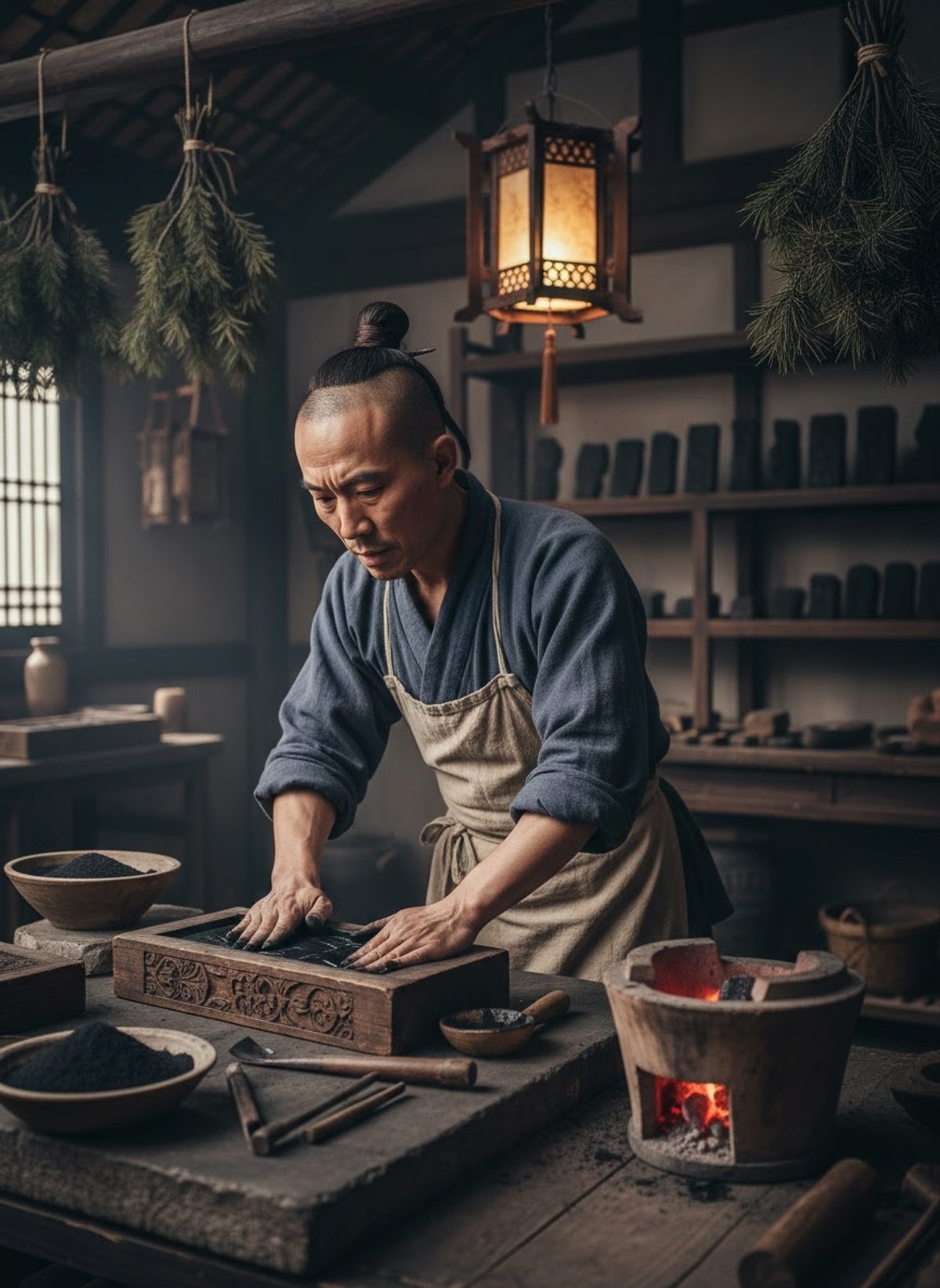
After days of burning, the artisans braved the soot-laden air to scrape their yield from the chamber walls. This was no job for the faint-hearted. Each black flake that fell into their collection tins was like a miniature treasure. The soot was then mixed with a binding agent made from animal hide, boiled down to produce a sticky, glue-like substance. This essential step transformed the soot into a malleable form, ready to be shaped into sticks.
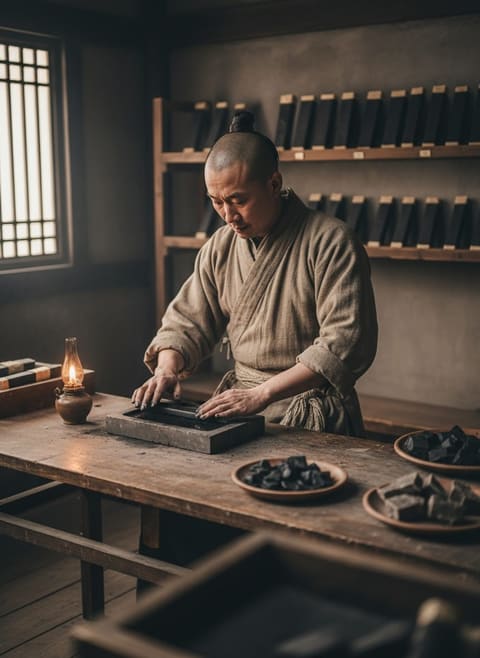
Using intricately carved stone moulds, the artisan would finally press the mixture into familiar shapes. The moulds themselves were artworks, often adorned with elaborate motifs and characters that would leave their imprint on each stick. From start to finish, crafting a single set of ink sticks could take weeks, yet these were no ordinary inks. Each carried a legacy, destined to be used by scholars, passed down through generations, and time-tested in their resilience against fading.
The Scholar's Treasure
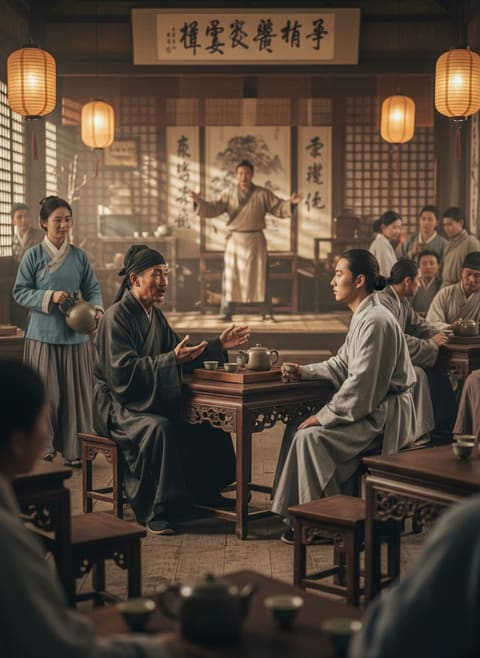
What made these ink sticks so revered? It wasn't just the artistry or the sophisticated process of crafting them. In the Song dynasty, a society that placed immense value on scholarship and administration, writing was a cornerstone of power and culture.
The ink was a scholar’s best tool, linking them to the past and giving them power in the present. One can imagine the fluttering of paper fans, the rustle of robes, and the intense focus of a scholar, brush poised, ready to inscribe their thoughts and observations onto parchment.
Read next: Tisquantum: Kidnapped to Spain, He Sailed Home to an Empty Village
For many, an ink stick was more than a mere tool; it was a status symbol. The finest ink sticks, like those from Hangzhou, were prized possessions, sometimes even part of dowries or as significant gifts. They were passed down, not merely as heirlooms but as talismans of knowledge and a reminder of the profound power of the written word in Chinese society.
Collectively, these artisans contributed to a golden era of cultural flourishing in Song-era China. Their work enabled the dissemination of ideas that would shape Chinese thought and culture deeply. The ink sticks brought to life the words of poets, officials, and philosophers, whose writings would endure long after the paper itself faded to dust.
The Unwritten Legacy
The ink masters of Hangzhou, though largely anonymous to history, left a legacy that persists in the strokes of black that fill the scrolls and documents still treasured today. They fulfilled more than the demands of a growing population or a bustling economy. These artisans created instruments integral to a culture that revered the written word as an expression of both the self and the collective knowledge of the time.
Their painstaking craft ensured that when poets composed or bureaucrats recorded, the ink would flow smoothly, depicting every subtle nuance and emphatic stroke as intended. In the hands of a skilled calligrapher, these strokes became artwork, imbued with meaning and emotion. Thus, each ink stick was not merely a commodity but a vessel of cultural continuity and artistic expression.
As we leaf through ancient texts or gaze at scrolls penned hundreds of years ago, it is easy to overlook the delicate balance of artistry and science required to create the ink that adorned them. The ink sellers of Song dynasty Hangzhou remind us that these daily trades, often hidden from the grand narratives of history, were pivotal in preserving the very knowledge that allows us to glimpse into our past. Their legacy lives on in every surviving character and every shadow of thought captured in ink.