657 CE. A cold wind whipped across the Yorkshire cliff, sending a sea of heather bending towards the ancient horizon.
A Vision Among Ruins
On these rugged moors, the landscape whispered secrets of civilizations past. But it was here that a noblewoman named Hild found her calling. The daughter of a Northumbrian family, Hild had lived at the crossroads of political power and spiritual dedication. This, however, was uncharted territory. Amidst the ruins of ancient Roman Britain, she envisioned a sanctuary of learning and faith. Little did she know, it would shape the course of English Christianity and earn a place in history.
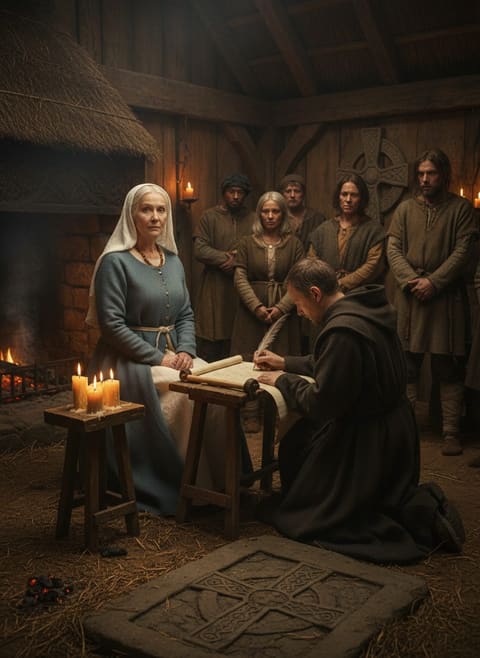
By 657, Hild had turned her vision into reality. She founded a monastery, later known as Whitby Abbey. Perched high above the waves, it was both a spiritual refuge and a formidable fortress. Under her leadership, Whitby became a beacon of religious life. It housed both nuns and monks, a rare coexistence that reflected Hild’s ingenuity and inclusiveness.
Word of Whitby’s reputation spread like wildfire. Scholars and devout disciples were drawn to its sanctified halls, where wisdom flowed as steadily as the cloistered fountains. Within a decade, the abbey became a fountainhead for clerical training. Among its alumni were five bishops who would go on to guide the ecclesiastical destiny of Britain. In this haven of learning, ideas flourished, and the seeds of religious transformation were sown.
Read next: The Saxon Princess Who Became England's Shield Against the Danes
The Gathering at Whitby
In 664, Whitby witnessed an event that would resonate far beyond its stone walls. The Synod of Whitby was called to resolve a pivotal dispute in the Christian church: how the date of Easter should be calculated. It was a schism that divided the Celtic traditions of the British church from the Roman practices. As Easter signifies the resurrection of Christ, the heart of the faith, the need for unity was pressing.
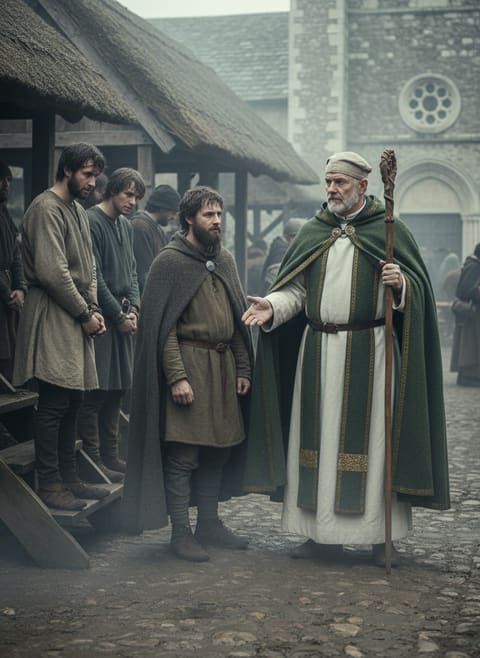
Kings and clerics alike arrived, their cloaks trailing across the abbey's flagged stones. Notables like King Oswiu of Northumbria and Bishop Colmán of Lindisfarne stood in the abbey, their voices reverberating through the austere nave. The stakes were high, the outcome uncertain. Would Britain’s Christians follow the traditions of their ancestors or align themselves with Rome?
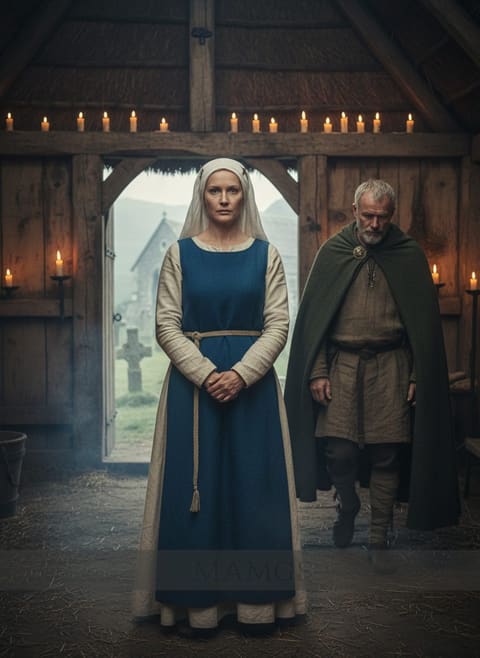
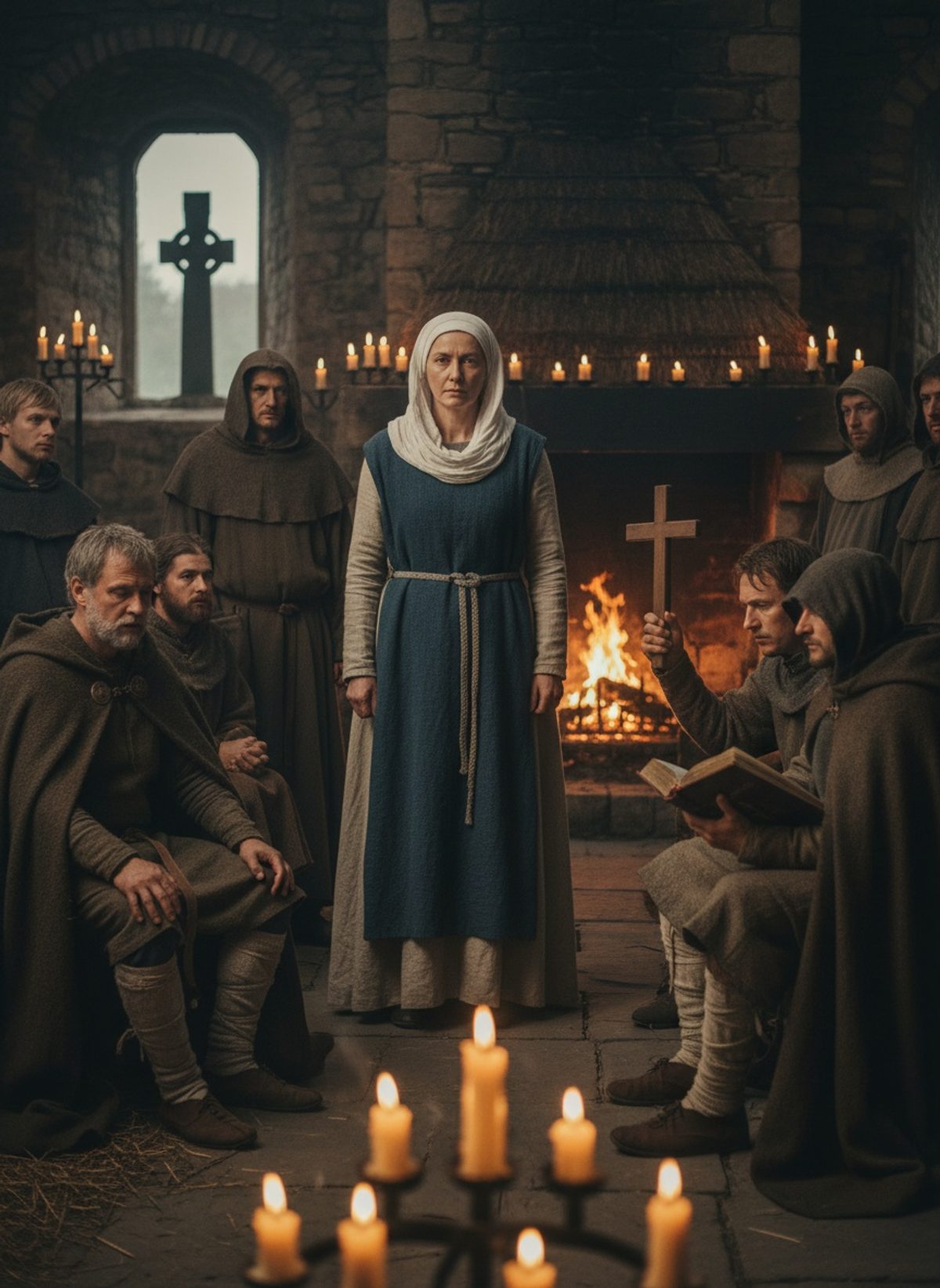
Hild, with her commanding presence, presided over the discussions. Her keen intellect and noble demeanor cut through the fervor surrounding the debates. Her ability to host such a significant council speaks volumes about her influence and the abbey’s status. In this sacred space, logic and passion intertwined until a choice was made.
The Turning Point
The synod’s impact was profound. The decision favoured the Roman method—an alignment with continental Europe that had implications beyond mere calculation. It symbolized a shift toward uniformity and integration with the wider Christian world. This choice did not come without its critics, yet it set the foundation for the standardized religious practices that we recognize today.
Beneath the visible triumph lay the silent strength of Whitby Abbey and its founding abbess. Hild’s role was instrumental, affirming the place of Whitby not only as a spiritual hub but a centrifugal force in the ecclesiastical sphere. Her diplomacy and vision harmonized fragmented factions and laid down a legacy of unity.
Read next: The Night Caedmon the Cowherd Sang the First English Poem
With the abbey at the focal point of this newfound concord, the landscape of English Christianity was transformed. Bishops trained within its walls fanned out across the land, carrying with them the seeds of Roman tradition, a testament to the comprehensive education and spiritual fortitude they received under Hild’s guidance.
Echoes Through Time
Today, the ruins of Whitby Abbey stand as silent sentinels to its once-great legacy. Though time and the elements have reduced it to mere shadows of its former grandeur, its history echoes along the Yorkshire cliffs. Each stone tells a tale of determination, learning, and faith that shaped a nation’s religious landscape.
Though Whitby Abbey is now a relic, the influence of its most celebrated abbess endures. Hild’s dedication and foresight left a legacy that extends far beyond the decision at the Synod. She not only navigated the choppy waters of ecclesiastical politics but harmonized them into a single, enduring stream.
The story of Hild and her abbey is one of transformation—where a woman’s vision transcended her time, unifying the practices of a fragmented church. In doing so, she laid the groundwork for centuries of English tradition. As the winds sweep over Whitby’s enduring stones, they carry with them tales of an abbess whose strength reshaped history itself, bridging divides and sowing seeds of unity that continue to flourish today.