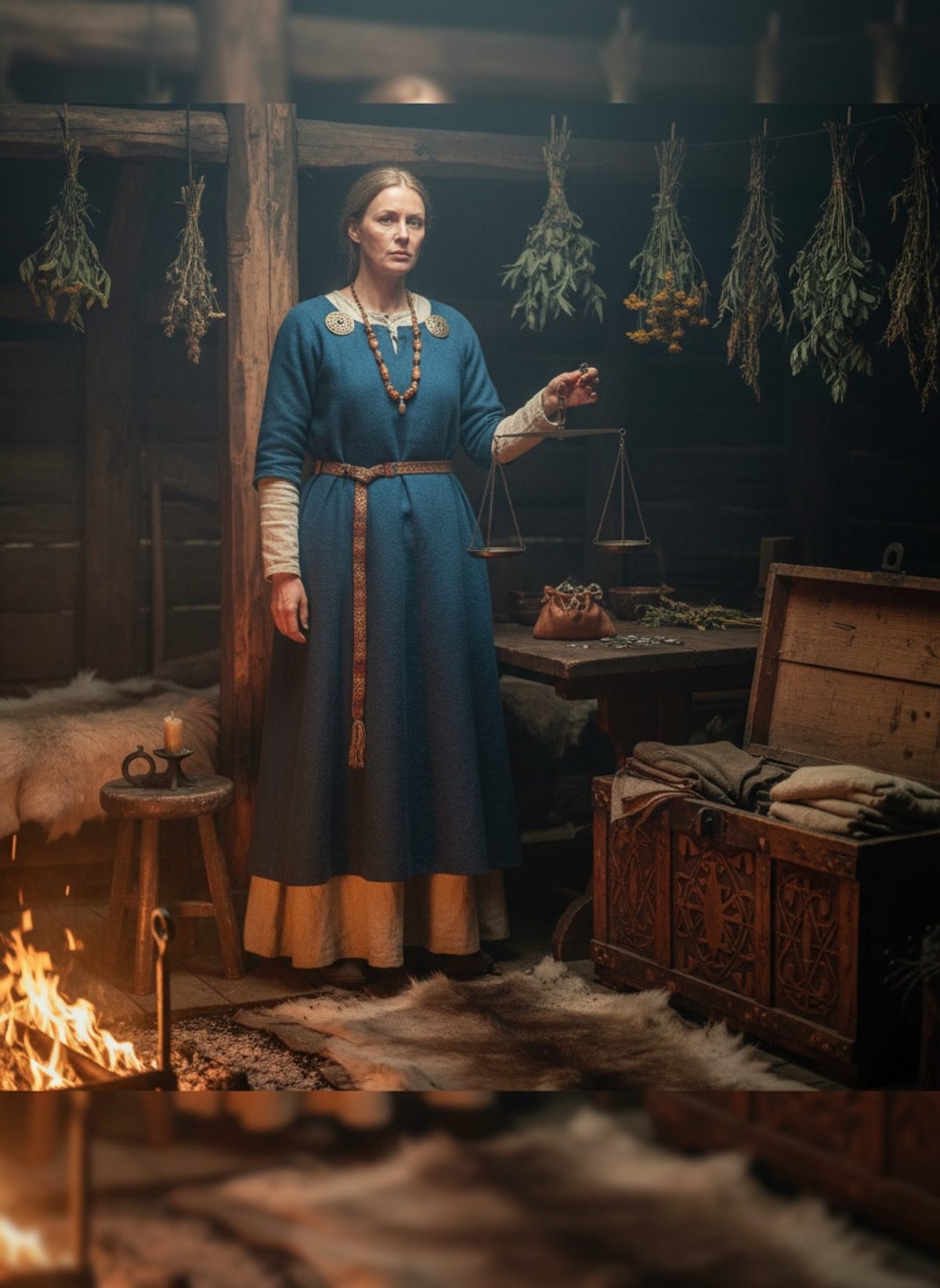
She wielded keys, not weapons. Yet these keys unlocked more than just doors—they opened the corridors of power and authority in Viking Britain.
The Unseen Sovereignty of Viking Women
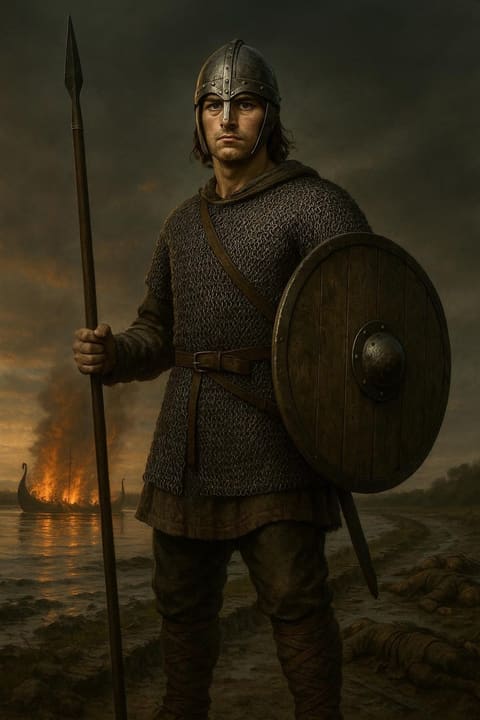
The tale of the Viking Age is often spun around fire-tipped longships and fierce warriors, surging over seas to claim new territories. Yet history has long overlooked the pivotal figures standing firmly on the shores of these conquests: the Viking women. As the men took to raiding, it was the women who steered the daily lives and economic engines of their settlements. The finds of archaeological digs, especially in locales as remote as Orkney and the Scottish isles, reveal an unexpected narrative. Women were not merely spouses or daughters accompanying men on voyages into the unknown. They held the keys to the household—a potent symbol of their power to control and manage properties and wealth.
The symbolism of keys in the Norse culture was profound. Burials of Viking women frequently feature these artifacts alongside scales and silver, indicating their integral role in commerce and governance. Imagine a windswept village surrounded by vast vistas, where a woman's command was not just within the walls of her home, but extended into the realms of trade and legal matters. Here, keys did not just represent ownership; they were emblematic of the ability to unlock prosperity and security for their communities.
Commercial Matriarchs of the Northern Isles
One of the most compelling testimonies to this authority comes from an Orkney grave, where an entire set of weighing equipment was unearthed. Tables would have been laden with goods to barter—furs perhaps, or amber; whatever traveling merchants might bring. But most astonishing was who sat in command of these exchanges: women with the means and rights to conduct trade independently.
Read next: The Day a Saxon King Waded Into the Sea to Prove a Point
The weight of this discovery lies not only in the scales but in what they signify. These tools were not artifacts of ornamental value but were essential in ensuring fair trade practices, allowing these women to manage wealth and sustain their settlements even when the sea-hardened men were absent. Women such as these were an integral part of a network stretching far beyond Britain's shores, linking to a bustling Viking trade system across Europe. They were painstaking custodians of commerce, poised between the grindstones of daily necessity and the unpredictable tides of the time.
Gender Dynamics in Norse Culture
To understand why Viking women held such roles, one needs to explore the gender dynamics of Norse society, a culture offering unusually flexible roles compared to its contemporaries. In Norse sagas and eddas, women frequently appear as formidable figures—advisors, seers, and even warriors. Shieldmaidens, though mythologized to a degree, were not purely fictional. The Viking culture permitted women a voice and a presence, giving rise to powerful figures who were as unyielding in leadership as their male counterparts were in battle.
Read next: The Day a Saxon Abbess Stood Between a King and His Rage
While other societies across Europe restricted women to specific, demure roles, Norse women enjoyed relatively more freedom. They could inherit land, initiate divorce, and attend to business affairs. The archaeological record from the British Isles further corroborates this, showcasing the physical remnants of a society where women’s participation was not optional but vital. These discoveries recast our understanding of what Viking settlements were like, suggesting they were more egalitarian than previously thought.
Why Their Story Matters
The overlooked saga of Viking women in Britain challenges our ingrained perceptions of the Viking Age. This narrative shift is more than a historical correction; it is a mirror reflecting broader themes still resonant today—the struggles for recognition, equality, and legacy. These women bolstered societies amidst the male-dominated sagas of exploration and conquest, reminding us that history's tapestries are often woven with threads of understated power.
The implications of their stories continue beyond scholarly pursuits or cursorily enriching the annals of feminism. They offer a nuanced lens through which we can view past and present gender roles, highlighting the significance of partnership and shared responsibility in community building. As we delve deeper into archaeological and historical studies, each new artefact unearthed continues to shed light on a world much wider and more inclusive than the one often portrayed. In this, perhaps, lies the ultimate lesson: the strength of a people rests not just in the might of their warriors, but in the resilience and wisdom of those who wove their communities together.