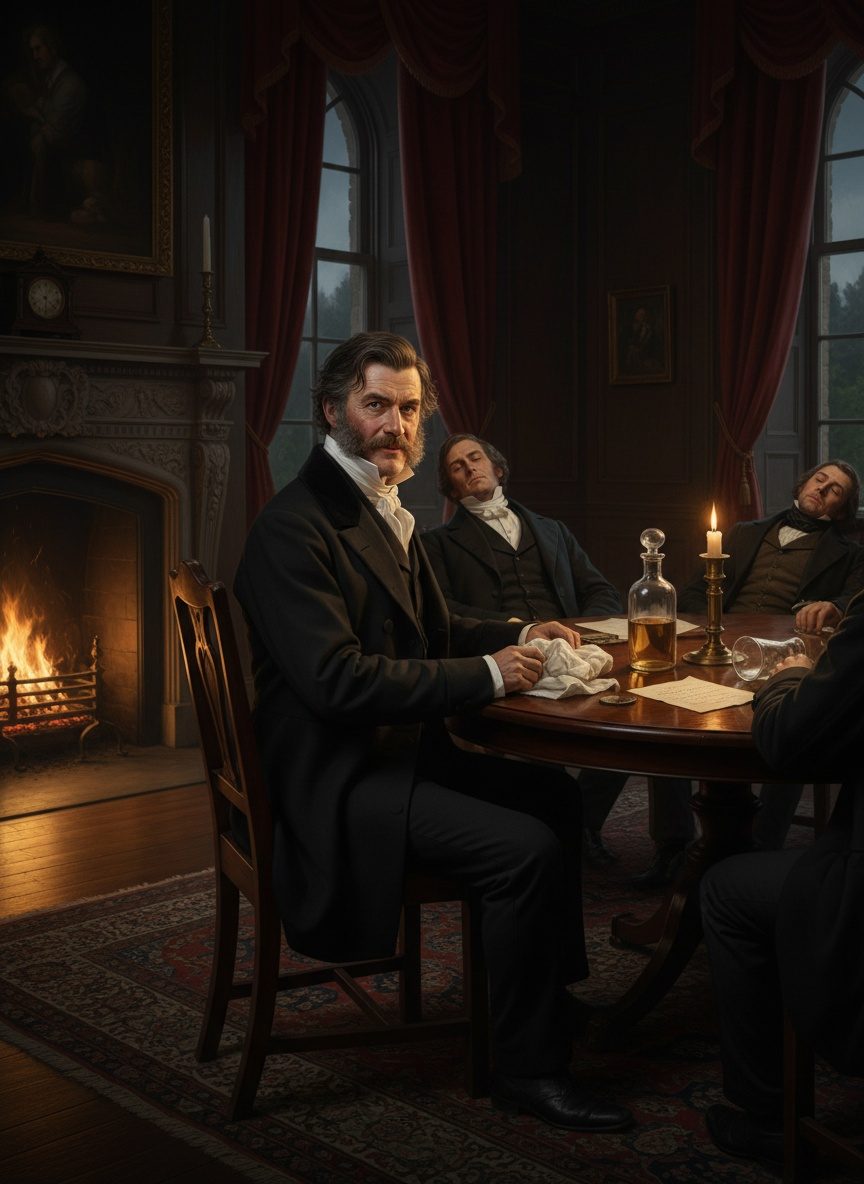
The sweet, cloying aroma filled the room, wrapping itself around James Young Simpson like a comforting blanket. As the room blurred into oblivion, the Scottish doctor slumped to the floor, unconscious. The air hummed with anticipation and uncertainty—had Simpson's bravery borne fruit? When he awoke moments later, Edinburgh breathed a sigh of relief. This was the beginning of the end of agony in the operating theatre.
Alchemy in Edinburgh
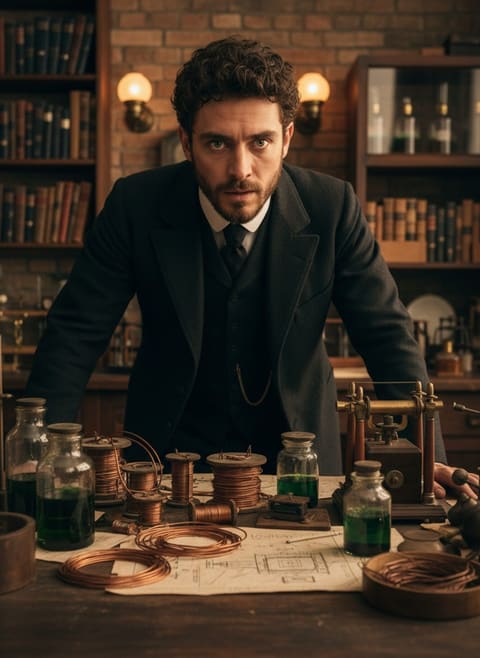
In mid-19th century Edinburgh, the persistent stench of blood and fear was an inseparable companion to the surgical theatre. Bodily operations were dreaded—necessary evils in the absence of any real anesthetic. It was a time when surgeons performed as much performance art as medicine; their speed and dexterity were critical in sparing patients prolonged agony. Enter James Young Simpson, a man not initially destined for the annals of medical innovation. Born the son of a blacksmith, he understood tools and the craftsmanship of creation. Yet his path led him to the realm of human anatomy and the unremitting challenge of saving lives. The pursuit of a painless surgery became his alchemy.
Simpson’s workshop was his dining room—a hub of experimentation and intellect. It was here, in November 1847, that he and his colleagues conducted trials on themselves, seeking the perfect chemical companion to silence screams. Sifting through various concoctions, Simpson stumbled upon chloroform—a halogenated hydrocarbon that would change the course of medical history. As the vapors took effect, the scales tipped on the moral dilemma of inducing unconsciousness in living beings, ushering in a new age for surgery.
The Sweet Revolution
Chloroform’s introduction proved revolutionary. No longer were patients doomed to endure the terror of feeling their flesh parted and bones set while fully conscious. Simpson's discovery meant that for the first time, humanity could confront the brutality of surgery without the tormenting crescendo of its pain. As word spread beyond the stone-clad streets of Edinburgh, a medical ripple turned into a soaring wave. Physicians, intrigued by the promise of pain-free procedures, embraced chloroform as an anesthetic of choice. It was non-flammable, easy to administer, and as trials attested, unfailingly effective in dulling perception to nothingness.
Read next: The Day a Weaver's Son Mapped the Invisible World
Despite its rapidly growing acceptance, chloroform was not without its detractors. Concerns arose about its safety and potential to cause respiratory failure. Yet, Simpson’s evangelism of its benefit outstripped the voices of skepticism, persuading even the cautious to give it a try. The Victorian era buzzed with tales of procedures performed under its spell, where patients laid still, their faces relaxed in absentia of pain.
The Woman Who Craved Relief
No account of Simpson’s discovery can ignore the poignant story of the woman who transformed public opinion on chloroform’s legitimacy. In 1853, Queen Victoria herself accepted its soothing embrace during the birth of her eighth child, Prince Leopold. Her approval and the subsequent royal endorsement quashed much of the controversy surrounding its usage. When the groans of labor softened into mere whispers under chloroform's influence, its place in medical history was cemented.
The Queen’s experience blazed a trail for wider societal acceptance. Here was the ultimate validation: if it was suitable for the monarch, it was undoubtedly safe for her subjects. The entrenched skepticism began to dissolve, replaced by expressions of hope and gratitude. Among middle-class families and the industrial working class, narratives of lives saved and suffering alleviated spread like wildfire.
Patterns in the Ether
Simpson’s work did not spring from nowhere; indeed, it was a piece in an intricate tapestry of anesthetic exploration. Less than a decade prior, American dentist William T.G. Morton had demonstrated the use of ether as an anesthetic. But ether was cumbersome, with pungent odors and flammable tendencies that posed serious risks. Simpson’s chloroform, although fiercely debated, held promise as a safer alternative when administered correctly.
Read next: The Day a Clockmaker's Son Rewired How We See the Stars
The birthing pains of anesthesia were shared across nations, as scientists and doctors raced to tame chemicals into a form compliant with the complexities of human biology. Many of these explorers would, like Simpson, dedicate their lives to balancing efficacy with safety. They walked a fine line between the unknown and the instinctual, making decisions that would shape the future of medical practice.
The Unseen Legacy
From his simple beginnings, James Young Simpson redefined what it meant to heal. His legacy is not just found in the silent sighs of patients slipping into restful unawareness but in the broader recognition that pain was not an indisputable companion to the knife. Chloroform introduced a conversation on ethical anesthesia that continues today—an ongoing promise to spare as much suffering as possible in the name of healing.
Yet even as anesthesia technology advances with synthetic and patient-specific solutions, the boldness of that November evening beckons us. It reminds us of the indelible human desire to alleviate suffering—and the audacity of those who dare to dream it possible. Simpson’s dining room experiment, though simplistic in its origins, resonates as a powerful reminder of how innovation is often born from passion and perseverance. And in that humble room, far from the grand halls of medical institutions, a blacksmith’s son spun salvation from scents, transforming the landscape of pain management forever.