June 1381. The embers from the smoldering city cast a warm glow against the darkened sky.
Rumble of Dissent: London Beckons
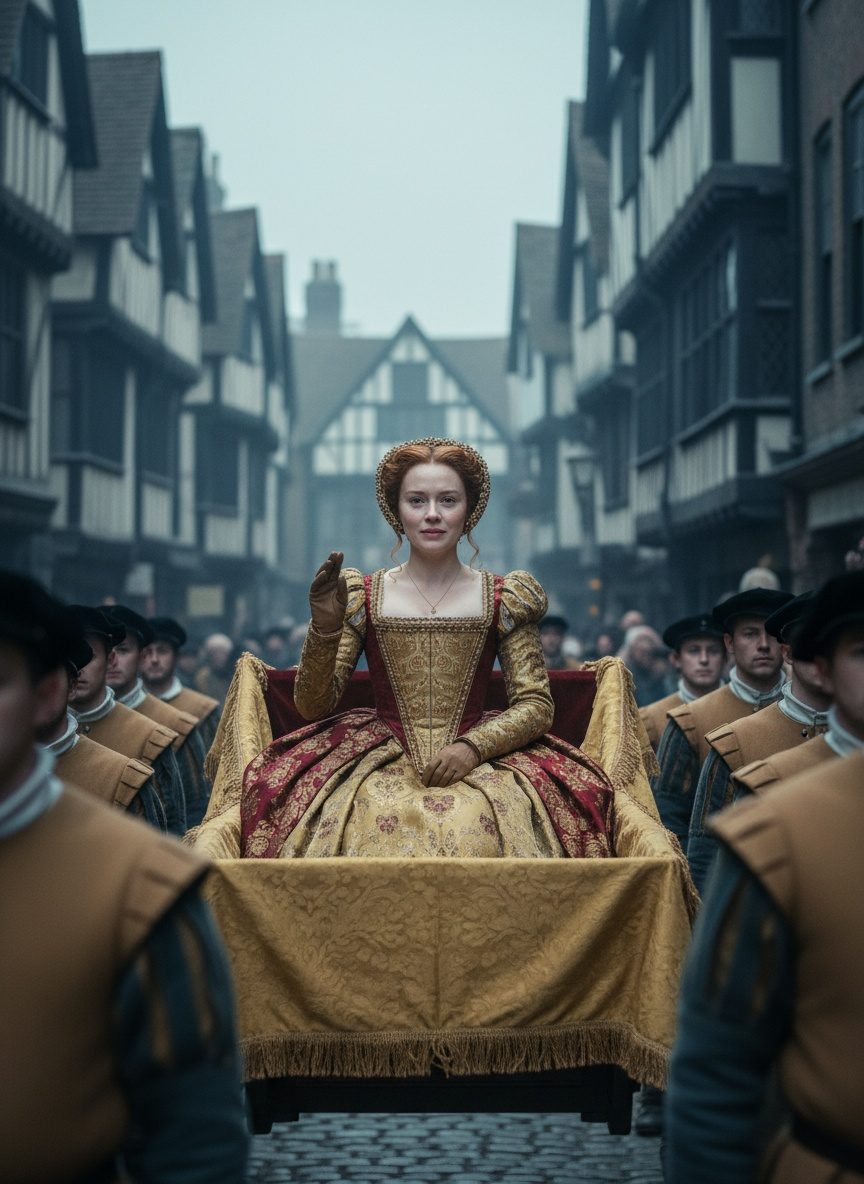
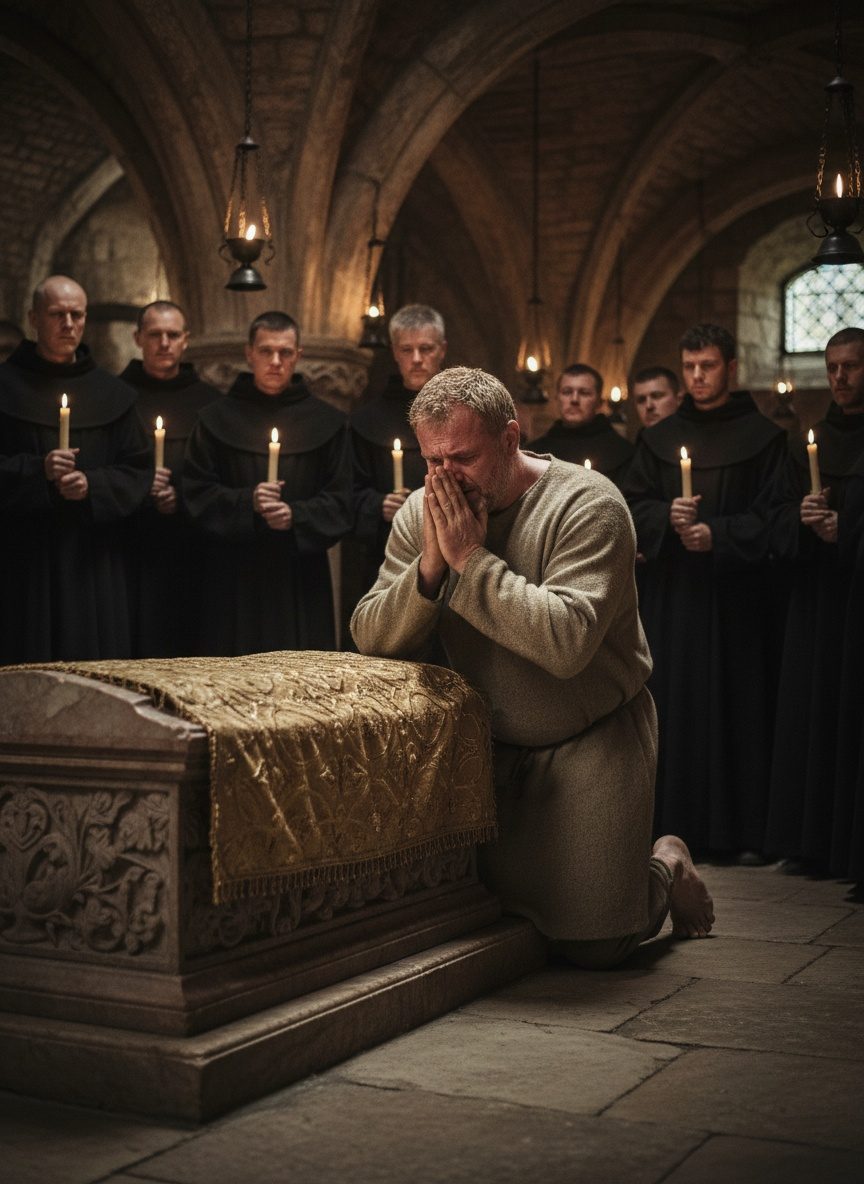
Medieval England was a construct of finely woven tapestries, where the threads of serfdom and taxation formed an unyielding backdrop to daily life. By June 1381, these threads had started to fray under the unbearable strains of feudal obligations. Yet, nowhere were the cries of discontent more palpable than in London, where discontentment rose like a brewing storm above the city skyline. The Peasants' Revolt had reached its climax: a mass of 100,000 rebels surged into the city, each step echoing with the shared grievances of those who labored under the oppressive heel of their lords. The violent spark of rebellion had already consumed the life of Simon Sudbury, the Archbishop of Canterbury, as the rebels unleashed their fury on symbols of authority and oppression.
A Boy's Burden: The Weight of Expectation
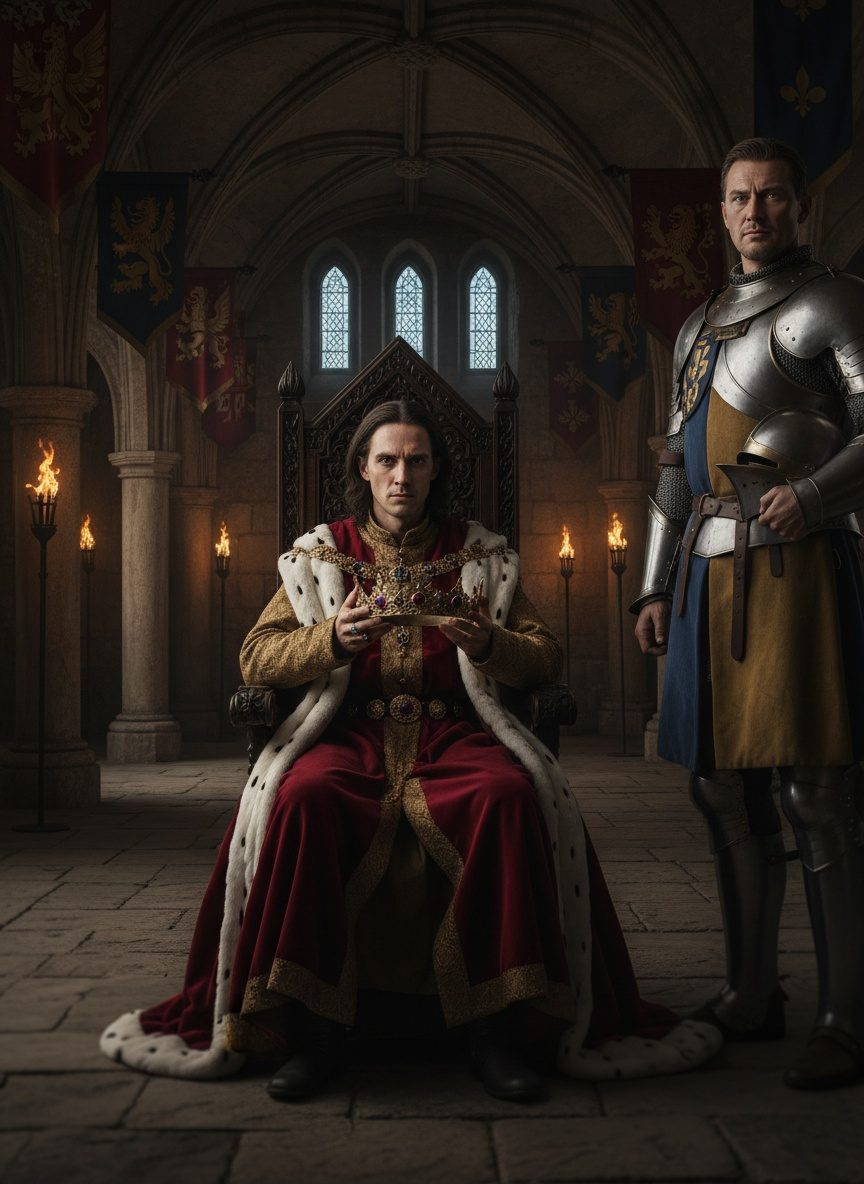
Behind the fortified walls of power, London's ruling elite found themselves encased in a palpable fear, the clamor of the mob reverberating through the stone. Even the hardest heart among them could not help but tremble. In the epicenter of this chaos stood King Richard II, an unseasoned ruler at just fourteen years of age. England's boy king, crowned only a few short years prior, embodied the naiveté of innocence juxtaposed against the mighty crown upon his brow. But it was in these hallowed halls that the resolve of the fair-haired child was forged. Where many saw only his tender age, Richard saw an opportunity to capture his destiny and alter the course of history.
The Road to Mile End: A Regal Gamble
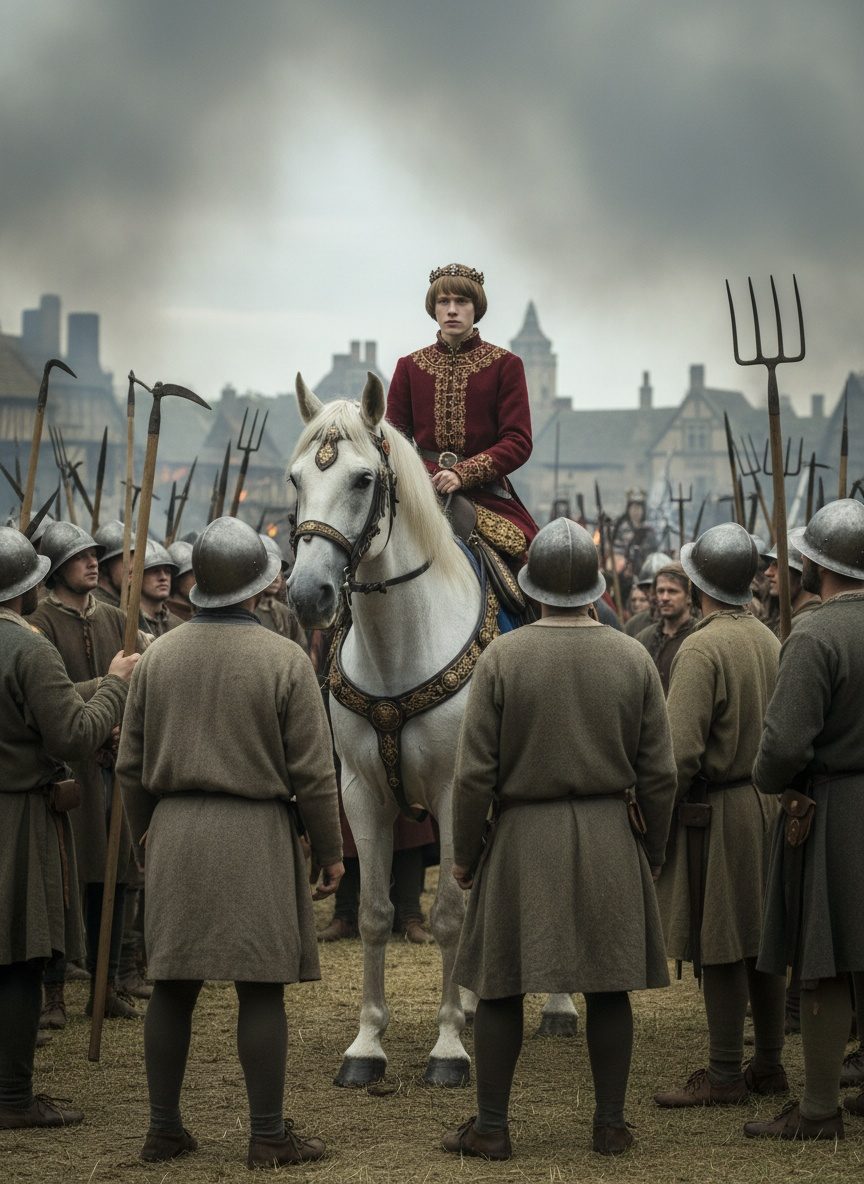
With the heart of London in turmoil, Richard made an audacious decision. He ordered his horse saddled and armors readied, donning not just his armor but the weight of expectation as he prepared to ride into the very heart of unrest. His destination was Mile End, a flat expanse on the city's eastern approaches where the rebels had mustered their forces. Against the clamor of dissenting voices and wise counsel from his advisors, he rode out, alone but for a few horsemen, into a sea of hostility. This young king, barely old enough to understand the full gravity of his actions, displayed a valor that was to become legendary.
Words of Peace: The Unyielding Calm
As Richard approached the throng, the tumultuous sounds fell to a hushed silence—a silent negotiation between ruler and subjects. The sight of a solitary boy king, riding with a regal posture, was enough to pause even the most fervent of insurrectionists. In these moments, as tensions hung as tightly as a drawn bowstring, Richard spoke words that pierced through the rage of a hundred thousand souls. He addressed the grievances, not with the hollow promises of a crowned politician, but with the earnestness of one speaking the shared language of hope and unity. Although history has not preserved his exact words, the effect was undeniable—the tide of rebellion began to ebb.
The Turning Tide: The Echoes of Sovereignty
Against the backdrop of blazing buildings and clashing steel, Richard's courageous deed marked a turning point in the Peasants' Revolt. While violence still simmered on the streets, what the young king accomplished at Mile End reverberated far beyond the immediate upheaval. It forever altered the perception of royalty in a deeply hierarchical society. Through the astuteness of a youthful monarch facing insurmountable odds, the echoes of dissent were transformed into the whispers of dialogue and concession. Though temporary concessions were eventually overturned, the legacy of that day in June cultivated a growing awareness for reform, heralding the slow yet inexorable march toward a more equitable society.
Why does the story of June 1381 stand apart? It is not merely the spectacle of a child-king pacifying a mob that makes it compelling; it is the undying spirit of defiance and raw courage that transforms history. Richard II's response exemplified the profound reality that even the smallest flickers of resolve can ignite change against the fierce winds of rebellion. Deep in the annals of England's story, this unflinching act of bravery and leadership remains an eternal shadow—quietly influencing the unfolding tapestry of England’s social consciousness.