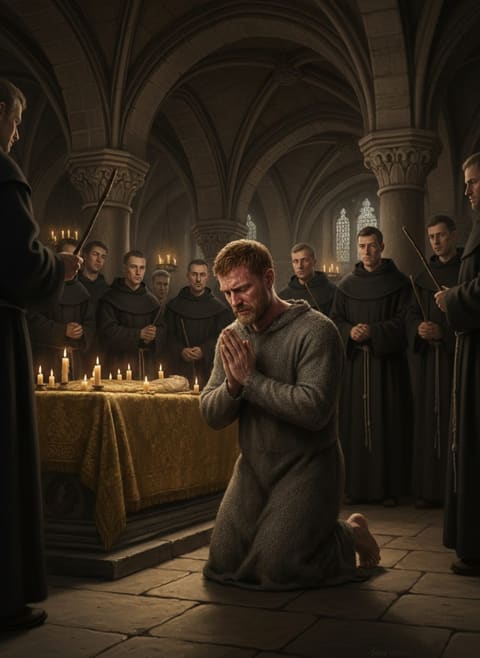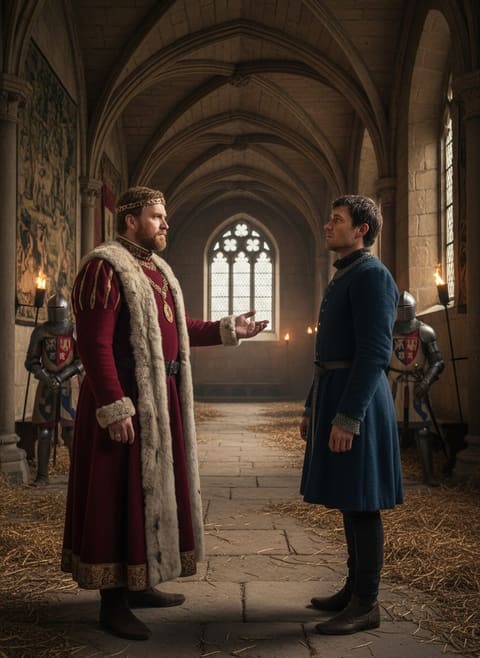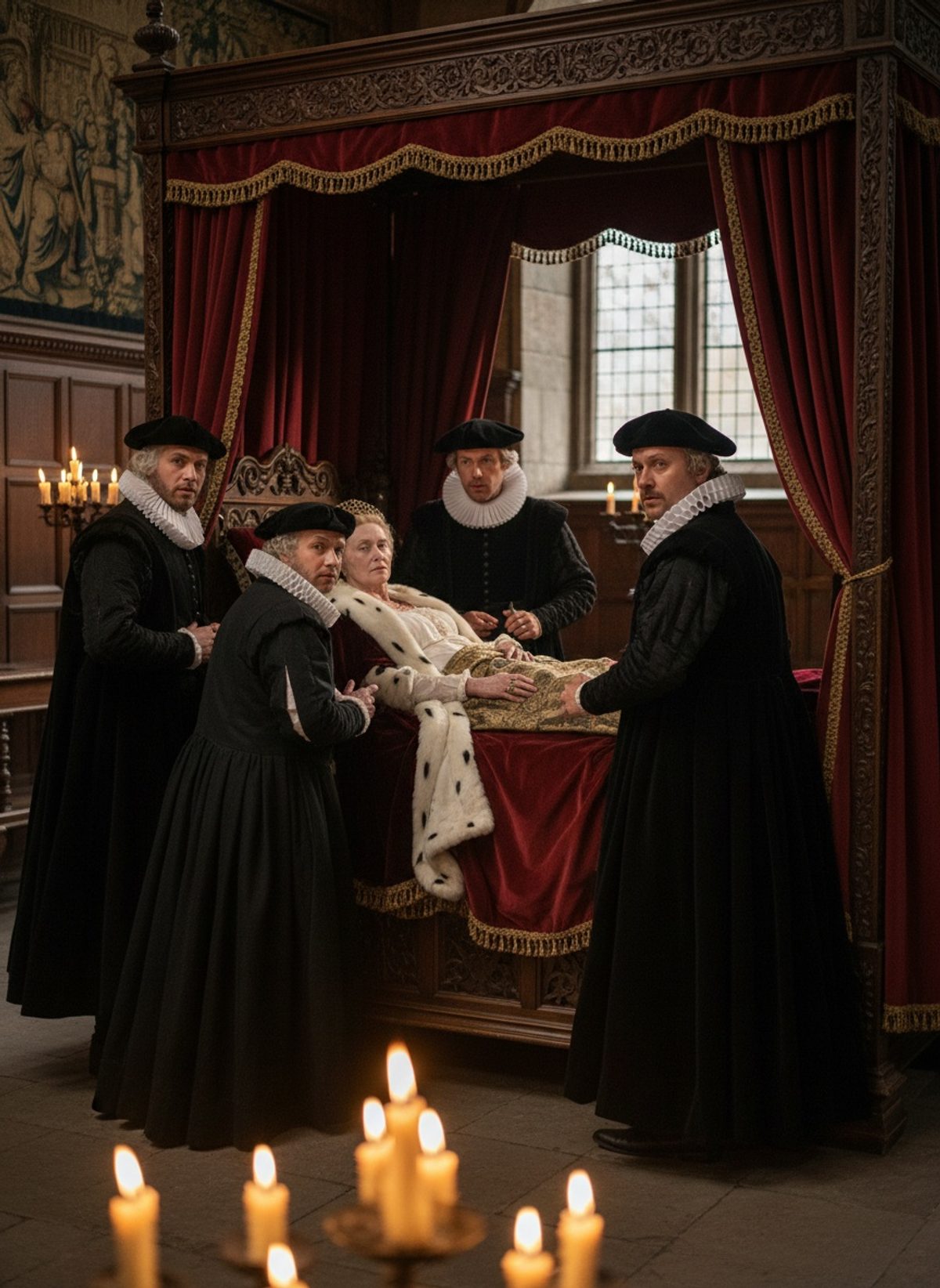
March 1603. A sharp wind echoed through the ancient halls of Richmond Palace, carrying whispers of a kingdom in apprehension.
The Enigmatic End of an Era
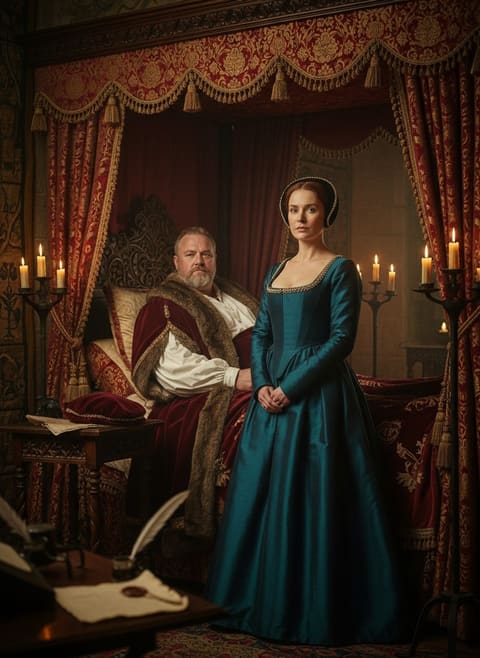
Elizabeth I of England, a monarch whose reign had been a tapestry of brilliance and occasional brutality, lay confined to her bed at Richmond, her formidable presence diminished by illness. The once bustling and grandiose palace had transformed into an anxious hub of anticipation, its courtiers pondering the future anxiously. The fate of the nation hung in a precarious balance, tied to the breath of an ailing queen who, throughout her reign, had masterfully navigated political surges and the complex web of European powers.
For forty-five years, Elizabeth had ruled with a calculated discretion, never inclined to name an heir. Her refusal was not mere obstinacy; it was a strategic ambiguity that kept potential pretenders at bay and secured her own precarious grip on power. Now, as she faced the end, her refusal to name a successor sent ripples of unease through her court. England had no clear heir, and a seamless succession seemed a distant hope, weighed down by the possibility of discord and civil unrest.
The Desperate Pleas of a Discouraged Council
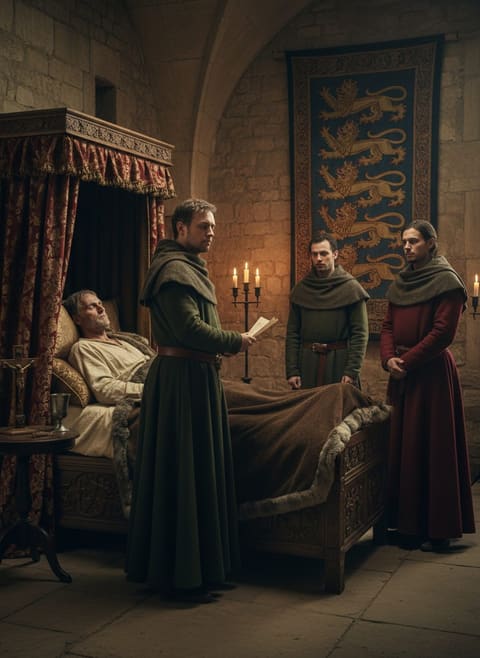
In the opulent yet somber chambers of Richmond Palace, Elizabeth's Privy Council assembled frequently in a state of anguished urgency. These seasoned men, architects of England's policies and guardians of the realm, gathered around their queen's bedside with one crucial question: “Who shall succeed?” Many among them recognized the potential chaos that an unplanned succession could unleash. The realm had only recently healed from the wounds of internal strife, and another fracture could lead to bloodshed and destabilization of the Tudor legacy.
Read next: The Day a Young Prince Knelt and Refused a Crown
They begged, pleaded for her to gesture, to whisper a name that would assure England a peaceful future. But the queen, schooled in the high art of political subterfuge, remained silent, her eyes betraying little. In this silence, the echoes of past rivalries and the weight of her father's tumultuous legacy lingered like ghosts. Elizabeth's complex heritage was the echo of Henry VIII's marital and religious reforms, which had fractured English society and left it marred by sectarian differences.
Elizabeth's Heartfelt Reflection
Trapped within her failing body, the queen's mind traversed a lifetime's worth of memories—her ascent to the throne in a Protestant kingdom, the expectancy to secure the Tudor line, the entwined majesty and solitude of a life governed by duty. Her refusal to acknowledge a clear successor was unsurprising to those who understood her motives. Her power resided not only in her political acumen but also in her understanding of perception; to name an heir prematurely would expose her vulnerabilities during a time when female sovereigns faced ceaseless challenges to their authority.
Yet, in those last days, as shadows crept further into her room and consciousness flickered, the weight of her silence grew. Her contemplative nature warred with a duty unfulfilled. The hesitant nod in the direction of the Scottish border was a momentary weakness, a veiled admission, and it spoke volumes to those eager to secure the realm's future. The implication was clear to those who listened with hearts tuned to hope and ambition, a whisper through history's veil: James VI of Scotland.
Read next: The Day a Queen Rode Alone Into a Mutinous Army
A Kingdom's Fragile Future
The queen’s final, faint gesture carried the silent weight of a hidden truth—a reluctant acceptance of the inevitable union of crowns under James, the son of Mary, Queen of Scots, and the embodiment of a new union between England and Scotland. This silent acknowledgment would lay the foundations for what would become the Stuart period, a new horizon for England's monarchy.
Upon Elizabeth's passing on March 24, 1603, James was declared her successor, and the transition proved more seamless than many had feared, reflecting both the fortitude of Elizabeth's reign and the council's adept management. The echoes of the old Tudor dynasty gradually faded, overtaken by the sound of a new lineage ascending the throne.
This story matters because it illustrates the paradox of monarchical power—a solitary personage surrounded by loyal advisers, whose final decision has the power to forge or fracture the future of a nation. Elizabeth's reluctance and eventual muted assent resonate down the corridors of history, reminding us how the delicate dance of silence and speech crafted the destiny of a realm. Her reign, significant for its consolidation and stabilization of England, concluded not with authority’s roar but with the whispered acceptance that some decisions transcend dynasties, uniting disparate parts into a cohesive whole.