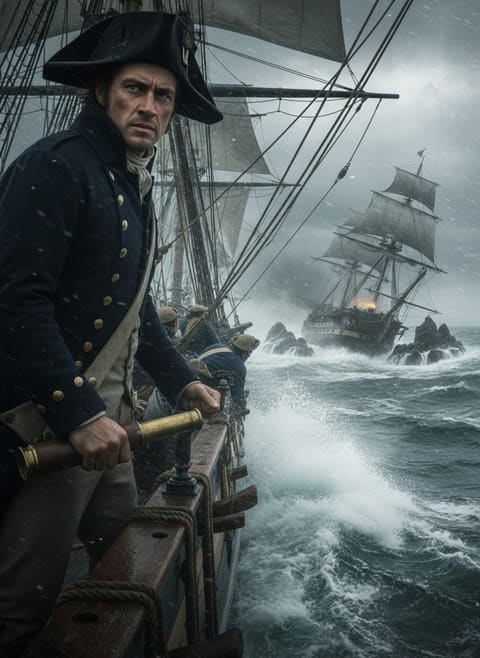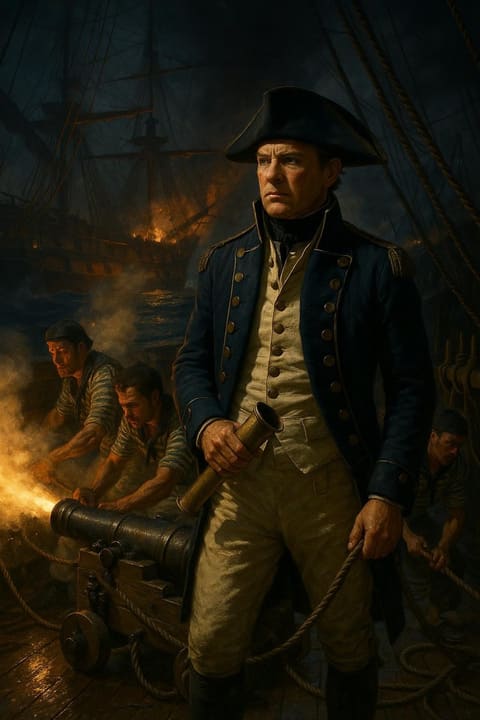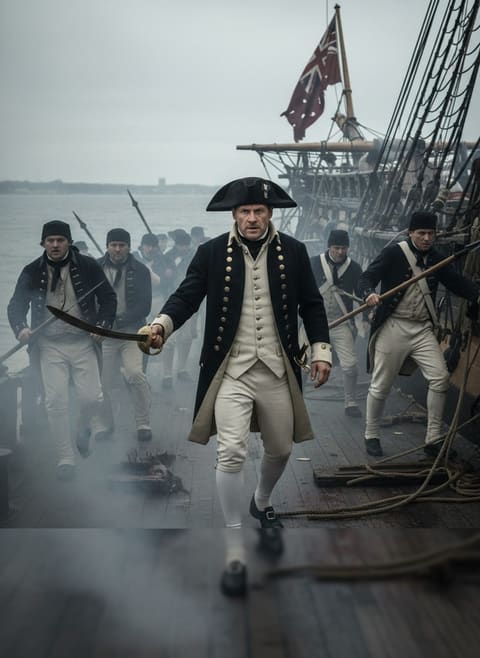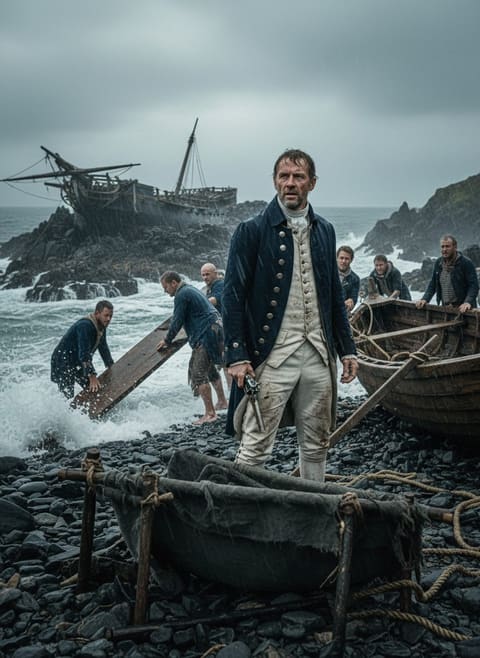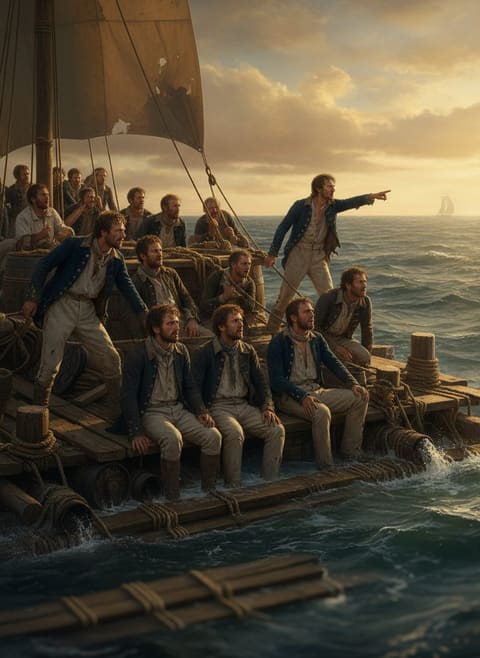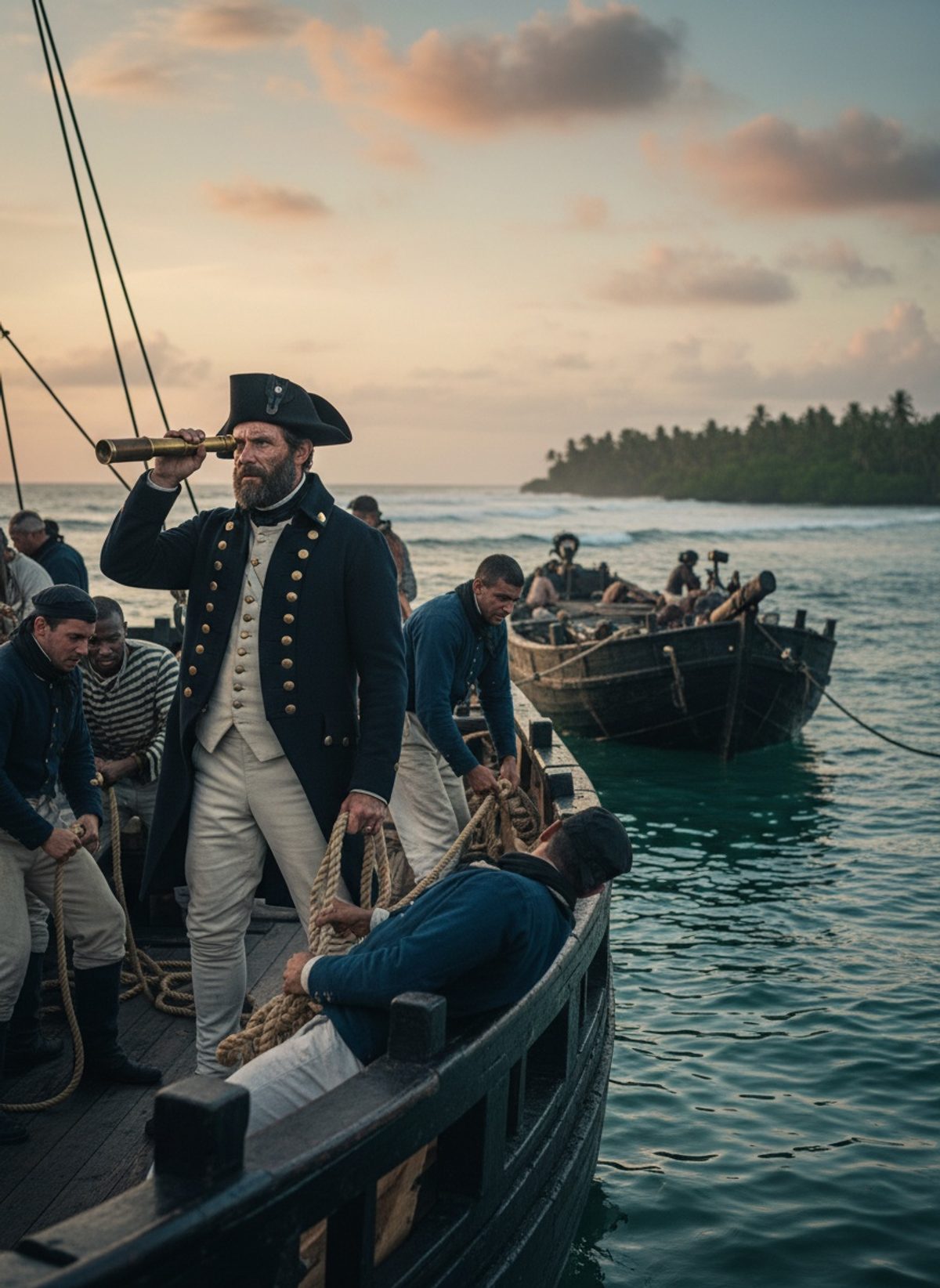
Most of us have never heard of the West Africa Squadron. Yet their legacy echoes through history's forgotten corridors, a testament to courage at sea in an unforgiving world.
The Unlikely Decision that Reshaped an Empire
On a day in March 1807, a decision was made that was destined to ripple across oceans and through time. The British Parliament did something flagrantly against the grain of imperial norms: it terminated the slave trade, a lucrative yet morally bankrupt industry that had fueled Britain's economic engine. But Britain's resolve did not halt at legislation. With palpable determination and a moral compass set north, the nation committed naval power to enforce this new law across the teeming seas.
No longer would British ships transport human cargo with impunity. Instead, the Royal Navy's West Africa Squadron, otherwise known as the Preventive Squadron, launched into action, a floating armada sworn to combat the slave trade. Based out of Portsmouth, an English port steeped in maritime history, this resolute force was bound for the perilous, malarial waters of West Africa—a posting not many sailors would eagerly embrace.
Peril on the High Seas
The West Africa Squadron faced not just treacherous waves but adversaries intent on profit and evasion. The squadron was tasked with cruising miles of rugged coastline from Cape Verde to the Bight of Benin, seeking the elusive silhouettes of slave ships gliding under cover of night. It was doubtlessly one of the harshest assignments—a sentiment that lingered among sailors well acquainted with the rampant tides of disease.
Read next: When Piper Findlater Played On With Two Bullets in Him, 1897
In a morass of fever and thick jungle air, sailors met an enemy more potent than any gale—the pestilent grip of tropical disease. Between 1830 and 1865, nearly 1,600 of these steely seafarers perished, not by cannonball or cutlass, but succumbing to an invisible foe. The high cost of lives underscores the grim reality faced during these years; a sobering reminder that the barriers to justice were not forged solely of iron or greed.
The Relentless Pursuit and High-Stakes Encounters
For the men of the Squadron, conflict loomed as a specter on every horizon. Slave ships, often sleek and fast, were no easy prey, manned by crews determined to dodge capture. But capture them the Squadron did. This resolute fleet seized around 6% of the transatlantic slave ships—a statistic that belies the enormous effort behind every intercept.
Imagine the tension of these engagements—dark, starlit seas hides a vessel laden with human misery. British ships, battered by weather and exhaustion, lay in wait, sometimes for days. When the chase was on, gun smoke would fill the salty air, orders barked over the chaos, and desperate slaves huddled below decks would await their uncertain fates. The human element gave each encounter its weight; liberating men, women, and children from their shackles was as much a race against time as it was against the slave traders.
Read next: When Cochrane Bluffed a Fleet With a Single Frigate, 1801
Unsung Sacrifices in the Fight for Freedom
As the years wore on, with more than 150,000 Africans freed, the Squadron's actions marked a pivotal shift in the Atlantic. Yet, their story eclipsed by more glorious tales of empire and conquest, the stark bravery and sacrifice of those sailors suffered the creeping silence of forgotten history. Much of this is due to their battles taking place far from home—away from witness and national acclaim. Nevertheless, their sacrifice was substantial; the captains and crew members of the Squadron navigated both the moral and literal high seas with a rare, determined courage.
The Squadron's history is peppered with irony. Initially, their effectiveness was hamstrung by inadequate resources—a lack of ships, sailors, and supplies. Moreover, it was often up against corruption, a dark twist of fate where vested interests impeded progress. Skeptics claim the Squadron only played a minor role in the eventual decline of the slave trade. Yet, the tangible impact of freeing thousands cannot be understated, nor the ripple effect of the Royal Navy brandishing maritime law as a sword and shield.
Why Their Journey Mattered
The tale of the West Africa Squadron remains potent because it was rarely one of glamour, yet spectacularly profound in collective humanity. Their tenacity amidst tragedy taught lessons that echo today about the realities of conducting warfare against entrenched economic practices—proof of how intense commitment to a just cause can change history incrementally. While the physical traces of their struggle have long since faded into the Atlantic surf, their legacy remains an indelible impression of the cost of justice that transcends time. What they left behind, buried in forgotten graves along fever-struck coasts, is testament not just to naval prowess, but the persistent quest for human dignity over tide and tempest. It's a reminder that history, often unseen and unsung, is bound by threads of valor from those who dared to make a stand against the morally desolate winds of their day.