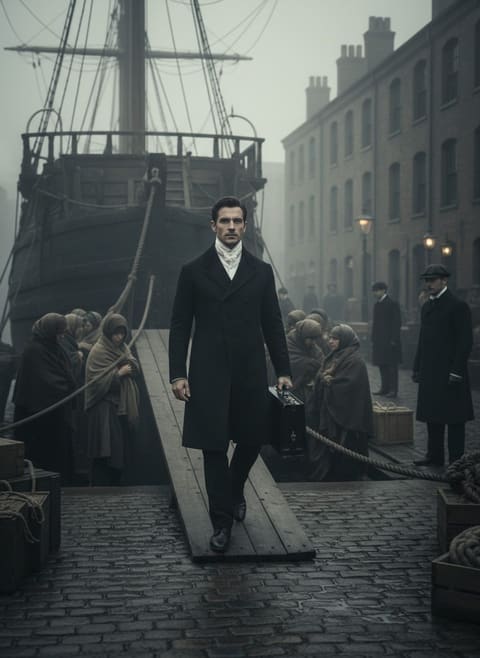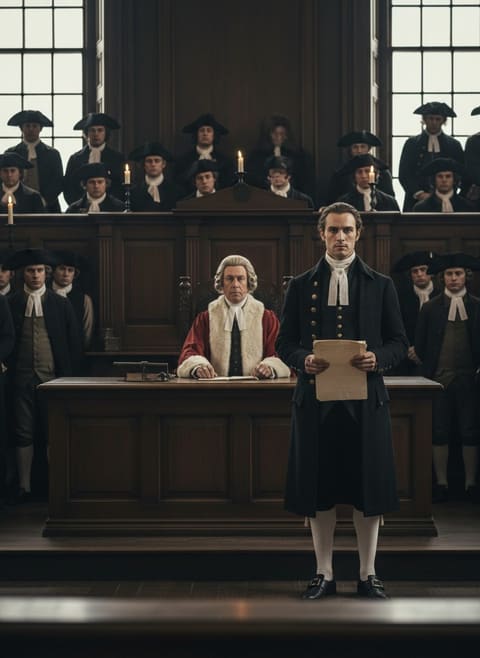
The London streets lay shrouded in a thick, grey mist on that fateful morning in 1832. The fog clung to every cobblestone, turning the air into a clammy soup that settled in the bones. The mighty Thames, usually bustling with boats, seemed an endless whisper as the city awoke under its dreary veil. Footsteps echoed through the corridors of power, where Parliament stood as resolute and ancient as the very stones of the riverbank. But within its walls, a quieter revolution was about to stir. A solitary figure, a shadow amidst the dim lamps, was making his way, steadily, painfully, towards a moment that would help ignite change for thousands of forgotten souls.
The Unlikely Champion of the Oppressed
Anthony Ashley Cooper, the 7th Earl of Shaftesbury, was a man of noble birth, a privileged aristocrat whose path seemed destined for leisure and luxury. But beneath the genteel surface beat a heart that throbbed with unyielding compassion for society’s most vulnerable. In an age where the poor were often invisible in the eyes of the elite, Cooper's spirit burned with indignation at the injustices he discovered in the Factory Commission Reports. These documents painted a harrowing picture of childhoods stolen by the mechanical hunger of Britain’s Industrial Revolution.
Having discovered that children as young as five were yoked to machines for sixteen hours a day, their cries swallowed by the hum of looms, Cooper could no longer remain a silent witness. The thick walls of Parliament had never echoed with the tales of these tiny laborers — until now. What drove this wealthy lord to such a cause? Perhaps it was his own troubled childhood that stirred his sympathy, or a deeper, unfathomable sense of justice. But whatever the reason, Cooper’s resolve was unshakable.
The Day the Truth Crawled Into View
The day he crawled into Parliament on his knees, the air was cold and damp. It seeped through the grand, draughty halls like a chill reminder of the heavy burdens shouldered by the child workers he represented. Onlookers were taken aback by Cooper’s laborious approach — not a play for sympathy, but a testament to his own physical trials, which mirrored, albeit dimly, the oppressive conditions these children faced daily.
Read next: The Day a Cornish Surgeon Walked Into a Condemned Cell
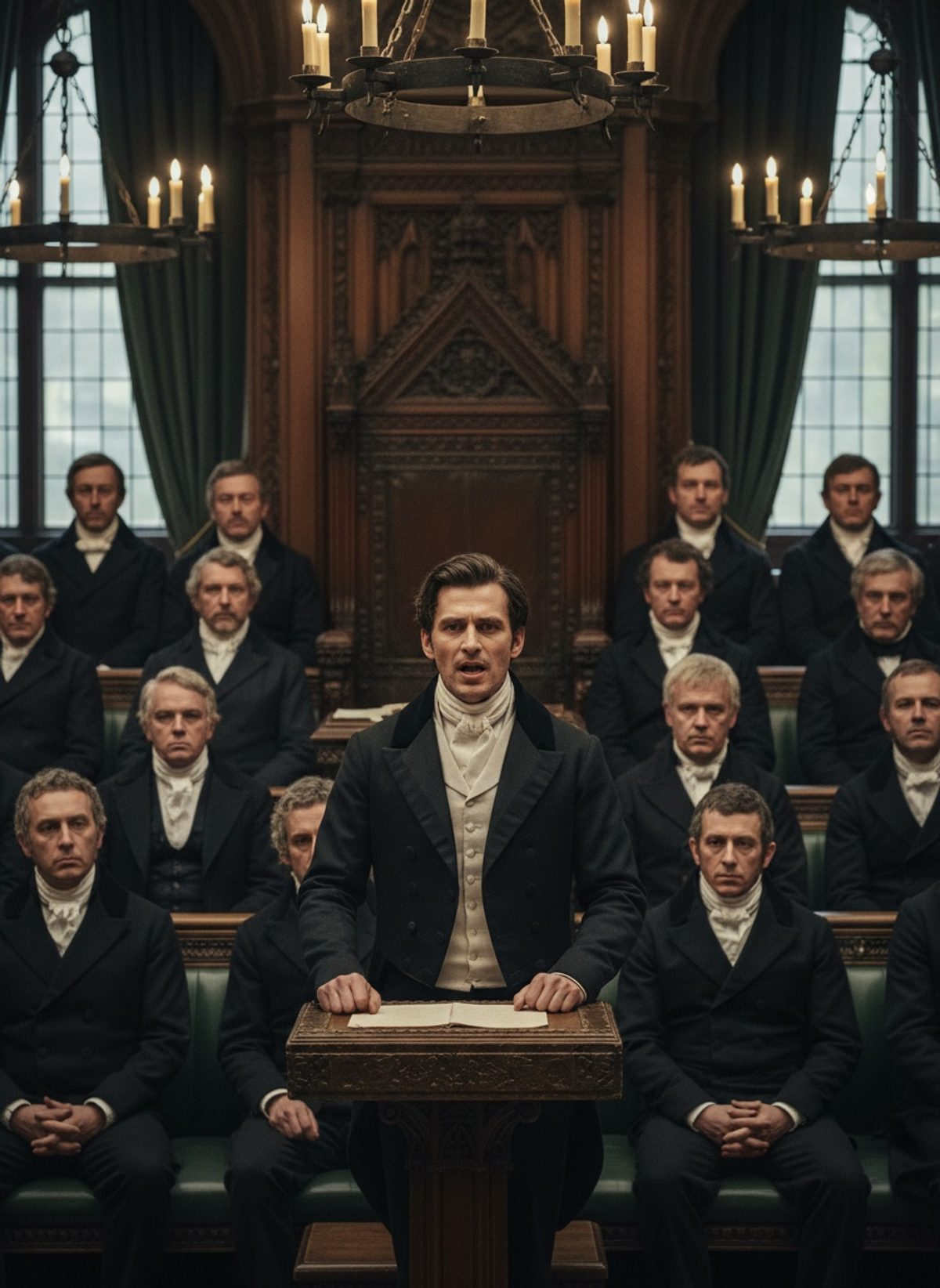
Inside the chamber, the atmosphere was tense. As Cooper rose and stood at the Commons despatch box, his voice quivered, yet carried the weight of his findings like a hammer poised to strike. The echo of his words stretched across the silence, a bridge that brought the forgotten stories of the factory children to the forefront of the national conscience. Lords and lawmakers, accustomed to the genteel squabbles of parliamentary debate, faced the unadorned truth: children yanked from slumber before dawn, labored to exhaustion under the dim factory gaslights.
The Tidal Wave of Evidence
With each piece of evidence he presented, the chamber grew still, captured by the grave narrative of torment and toil. Accounts rolled out like the somber tolling of a bell — a litany of bruised hands and stunted growth, a childhood smothered beneath the relentless gears of industry. Cooper spared no detail in his descriptions, painting vivid images of small bodies laboring amidst the clattering cacophony of the mills.
It was not just the length of the hours that chilled the hearts of those listening, but the conditions in which these children worked: in darkness, under the weight of machinery that paid no mind to the fragility of youth. Cooper’s own health was fragile, yet his determination was fierce. He spoke not merely from empirical conviction but with impassioned resolve, compelling Parliament to look beyond profit and progress to the human cost they entailed.
The Aftermath of a Courageous Stance
Cooper’s impassioned plea did not fall on deaf ears. While immediate change was slow, his unrelenting advocacy began to sow the seeds of reform that would eventually sprout into the Factory Act of 1833. This Act was a beacon of hope, though it was but a first stride in protecting the youth from industrial exploitation. By curbing work hours and setting age restrictions, it challenged the moral fabric of industry — a moral question dressed in legal terms: What do we owe the children of our nation?
Read next: The Day a Vicar's Son Walked Into a Debtor's Cell and Freed Them All
In the years that followed, Cooper became a relentless force for social justice, his efforts reverberating across issues of labor reform and child welfare. His actions on that fog-laden day in Parliament marked a significant turning point. The discourse on children’s rights might have remained buried beneath the noise of progress had it not been for his dogged perseverance.
Why This Crawling Attempt Mattered
The memory of Anthony Ashley Cooper’s arduous crawl through the halls of Parliament lingers not just as a testament to personal endurance, but as a profound indicator of systemic change. It challenges us to consider the impact one impassioned voice can have against the clamor of apathy. His story reveals that compassion can cut through the fog of indifference, bridging the gap between power and those who suffer in silence.
At a time when industrialization heralded a new era of wealth but also widening social divides, Cooper's actions exposed the ethical debts incurred by progress. As we reflect on this historical moment, we are reminded of the enduring spirit of human decency. It urges us to question our own roles and responsibilities. So long as there are voices to rise against oppression, even in the dimmest of days, hope marches on. In a world constantly evolving, let us remember this unlikely hero who once crawled so that others might stand.