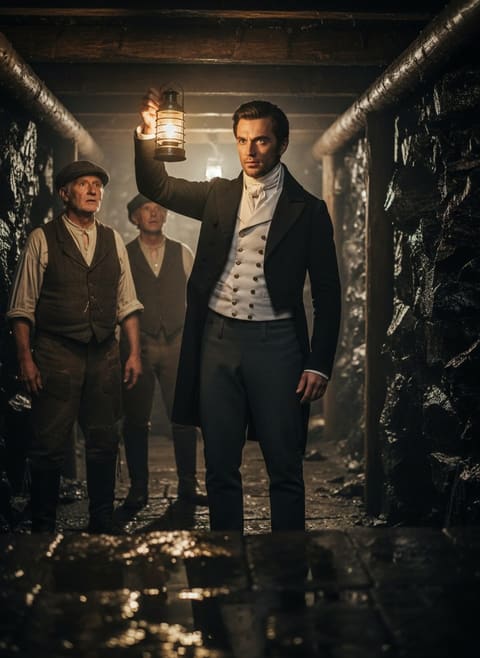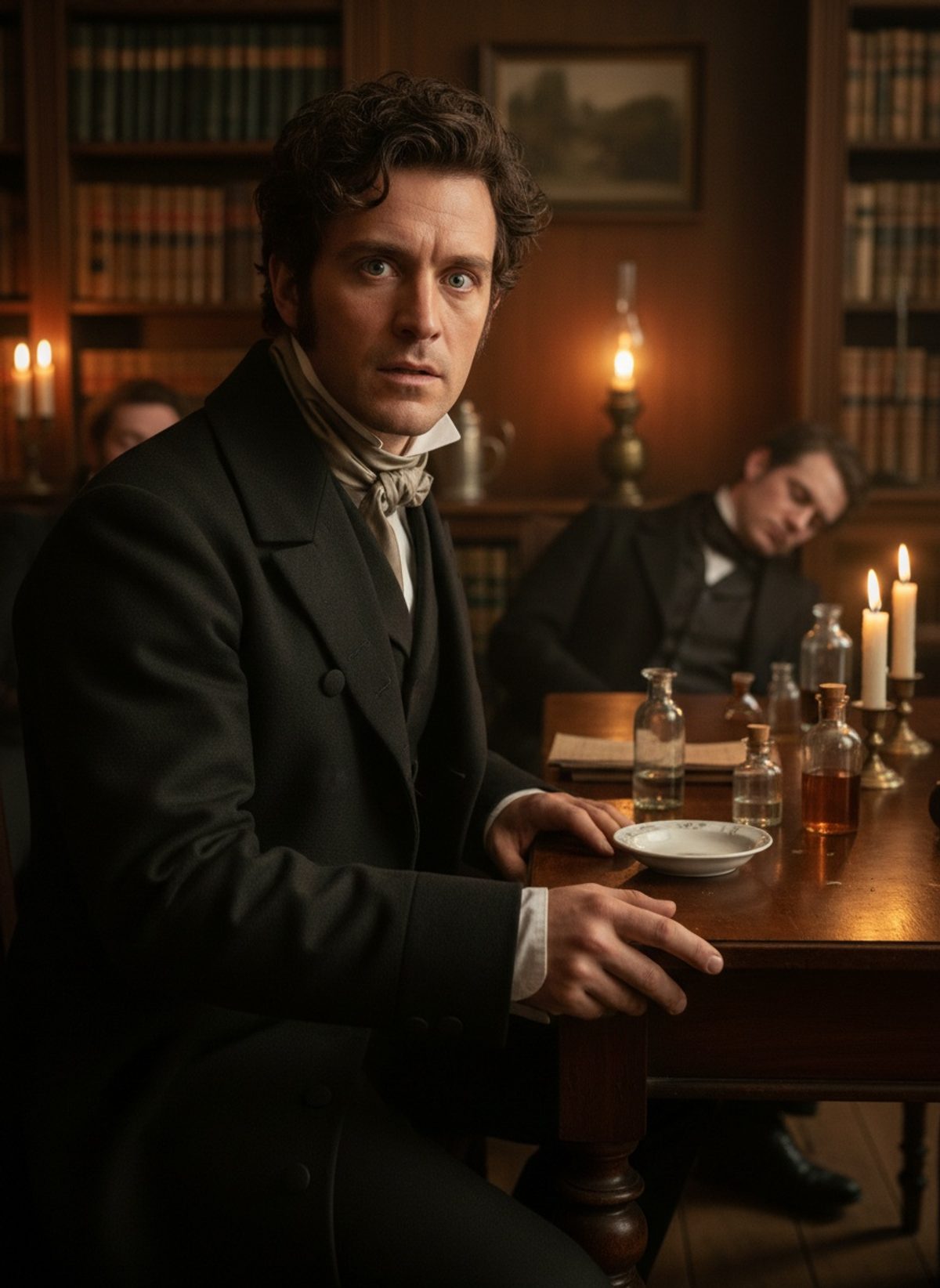
On a cold Edinburgh night in 1847, the dense winter fog twisted through the cobblestone streets, each curling wisp mingling with the flickering gaslights that lined George Square. The air was crisp, biting, a typical Scottish chill that turned breath into visible puffs of mist. From the icy dormancy, behind the heavy velvet curtains of a modest Georgian house, something extraordinary was brewing. A small group gathered around a dinner table, exuding an air of anticipation mingled with scientific curiosity. In that hushed room, the fate of surgery was balancing on the edge of discovery.
From Humble Beginnings to High Prestige
James Young Simpson, a son of a dyer from the industrial town of Bathgate, was not born into the world of medicine. The sonorous clang of looms was perhaps a more expected backdrop for his future. Yet, his voracious intellect and insatiable curiosity paved an unlikely route to the University of Edinburgh, a renowned hub of medical innovation. By the age of 28, Simpson had secured a coveted seat as Professor of Midwifery, a post that allowed him to delve into the predominant fears that loomed over surgical procedures - the torment of pain.
In the harsh reality of early Victorian surgery, the scream-filled operating rooms bore witness to humanity's oldest adversary: agony. Ether had made its debut as an anaesthetic, first in America, but its unpredictability left much to be desired. Simpson was determined to find a more effective solution. What began in the small confines of his office soon became a quest of scientific tenacity, fueled by the hope that he could offer a reprieve to humanity's suffering.
The Alchemy of Discovery
It was in the autumn of 1847 that Simpson began experimenting with a profusion of substances provided by sympathetic chemists. Testing them on himself, he navigated through a cocktail of compounds, each trial documented in earnest scribbles. Laughing gas, laughing failures. Finally, on that fateful night, Simpson, accompanied by his colleagues, Dr. George Keith and Dr. James Matthews Duncan, decided to try a new substance: chloroform.
Read next: The Day a Weaver's Son Mapped the Invisible World
As the three men inhaled the vapour drawn from the shallow saucer, the results were rapid and profound. Within moments, they lay sprawled across the floor, their consciousness lightly suspended somewhere between the real and the mystic. Upon awakening, Simpson was struck with a revolutionary epiphany. Here was a substance potent yet controllable, capable of clouding awareness and numbing sensation without the erratic turbulence of ether. He had stumbled upon an agent that might just dull the bite of the surgeon’s knife without dulling the mind.
The Ripples of Revelation
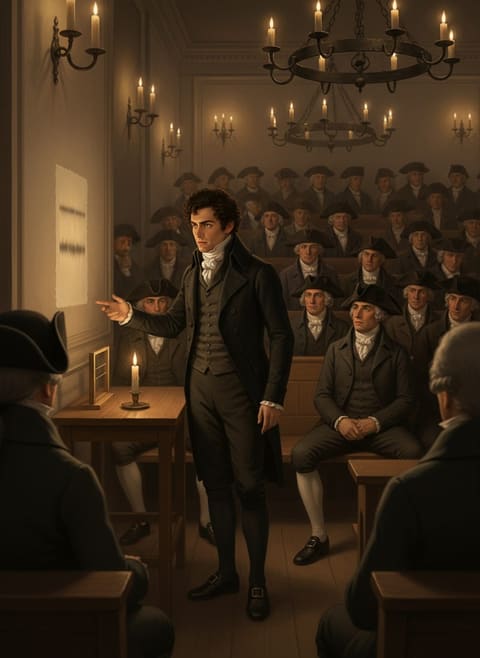
Simpson lost no time in sharing his discovery. His enthusiasm was infectious, yet skepticism lingered in the corridors of Edinburgh's medical establishment. Chloroform, with its unfamiliarity and foreign name, was met with a blend of intrigue and caution. But Simpson's resolute demonstrations, showcasing chloroform's efficacy in inducing deep slumber without the screech of pain, steadily chipped away at the ice of dissent.
Word spread quickly, penetrating far beyond the quaint streets of Edinburgh. Chloroform was soon employed in childbirth, a move that resonated deeply with Simpson's practice in midwifery. Its adoption reached a crescendo when Queen Victoria herself opted for "chloroform a la reine" during the birth of Prince Leopold in 1853, lending royal endorsement to Simpson’s discovery and silencing many of the remaining detractors. Chloroform had transcended from experiment to essential, altering the course of anesthesiology.
The Cautionary Undertone
Yet, the road to reform was not without its shadows. While immediate relief became the crowning glory of chloroform use, its administration was not without peril. Cases of chloroform-related fatalities emerged, revealing the thin line walked with its unmeasured potency. Simpson himself was not oblivious to these dangers and advocated for rigorous, careful study. But like any revolution, its rapid adoption often outpaced the precision of technique and understanding.
Read next: The Day a Clockmaker's Son Rewired How We See the Stars
The discourse surrounding its application in medical practice evoked fervent debates — weaponizing the discovery against both physical pain and, regrettably, potential hazards. What may have come as an angelic balm initially, also bore the brunt of a Pandora’s box being opened. The spectre of caution accompanied its accolades, underscoring the importance of precision in the stead of ambivalence.
Between Science and Sympathy
James Young Simpson's journey symbolizes more than just a scientific triumph; it underscores the profound tapestry of human empathy interwoven with innovation. His pursuit wasn’t merely the quest to conquer pain as an abstract adversary — it was an act of compassion, a relentless desire to unbind humanity from the shackles of suffering. The evening Simpson sank to the floor in a chloroform-induced reverie, he grasped the precipice of progress, standing at the intersection where humanity and innovation melded seamlessly.
His legacy is a poignant reminder of the perpetual dance between discovery and responsibility. Simpson’s initiative underscored the imperative of balancing the courage to explore with the humility to understand. In a world where each inhalation of chloroform represented not just potential relief but also unseen risk, Simpson’s contribution charges forward with the solemn reminder that every leap into the future is guided by both vision and vigilance.
Today, as anesthesia continues to evolve, the echoes of that fateful Edinburgh night still resonate. The legacy of James Young Simpson is found in every quieted scream, every mercifully painless surgery, reminding us that every monumental leap starts with one individual's insatiable curiosity and a commitment to alter the course of human experience for the better.