He was born to be king. Yet Richard II's greatest act was laying his crown on the floor.
Baptized in Rule and Conflict
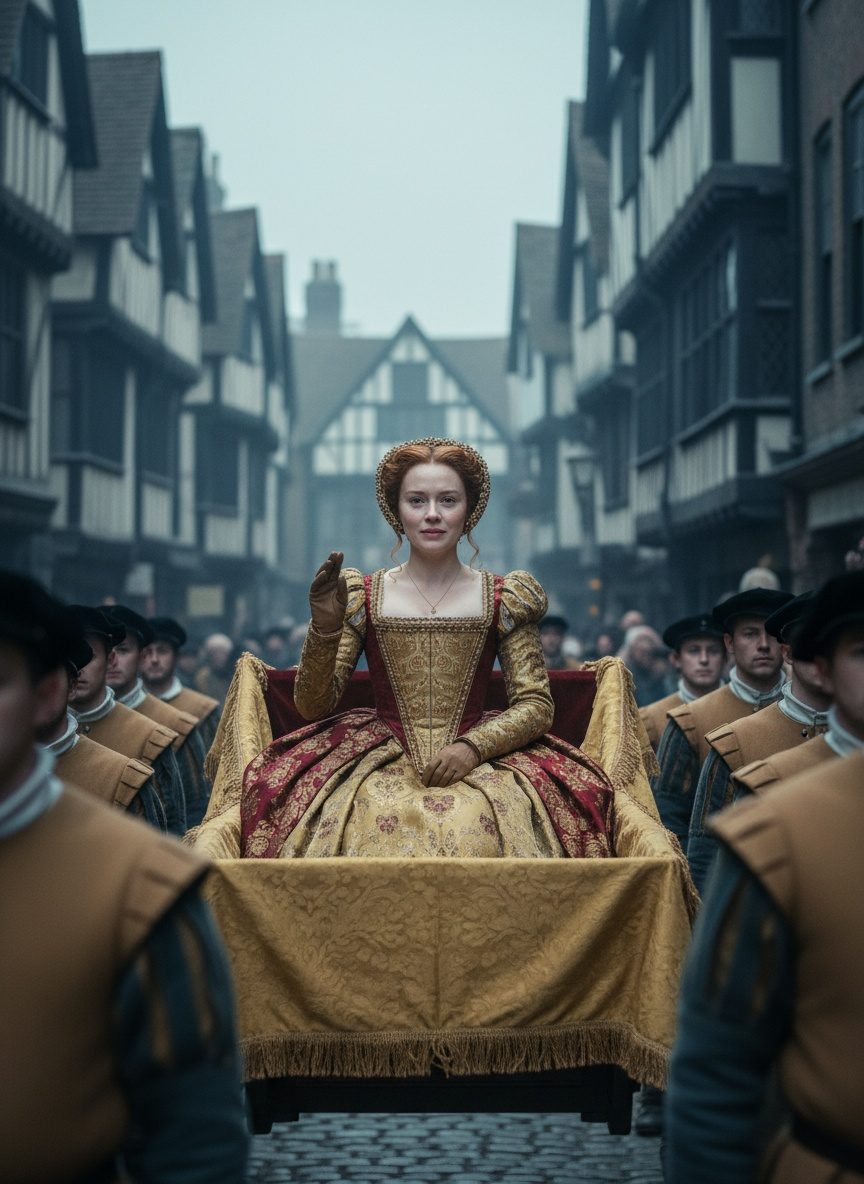
Richard II ascended to England’s throne as a mere boy of ten, much too young for the heavy crown he inherited in 1377. This child king grew up quickly amidst a court peppered with power-hungry nobles and seasoned warriors, most of whom expected little from a sovereign with no prior experience. Little did they know, the resolute and flamboyant ruler within would emerge, determined to imprint his own will on the kingdom. He gained a reputation for a majestic, almost divine conception of his kingship, which ultimately isolated him in the end. Locked within an ivory tower of royal imagination, Richard seemed unaware of the tides of discontent swelling around him.
The Fall from Grace
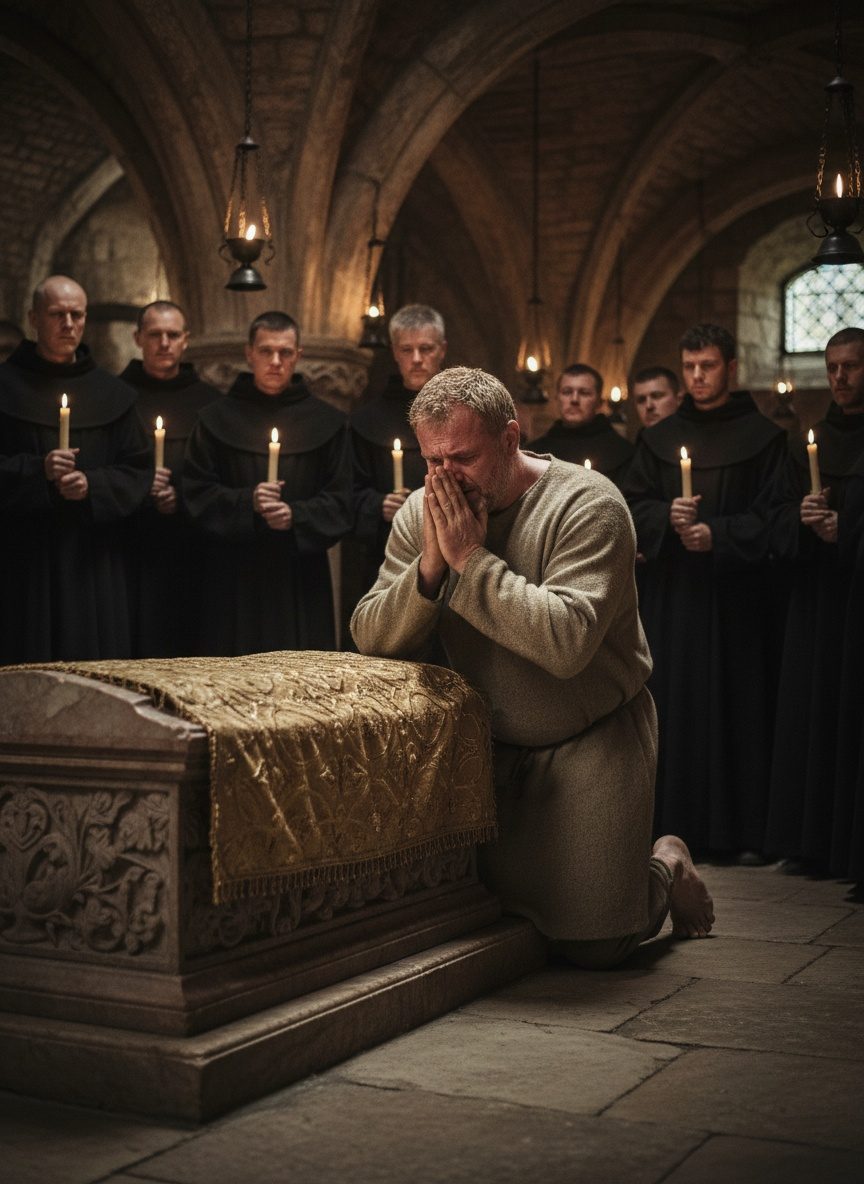
By September 1399, Richard's world had collapsed. The once fervent monarch found himself besieged by misfortune and betrayal. His cousin, Henry Bolingbroke, seized the moment to strike while the kingdom was reeling from continuous strife. Stripped of his lands and titles, Bolingbroke returned from exile with charisma to match his grievance, galvanized by allies as disgruntled as he. Their numbers swelled, creating a shadow army advancing upon Richard's weakened domain. Despite having ruled for over two turbulent decades—years filled with attempts to assert royal authority, confrontations with the parliamentary system, and quelling the infamous Peasant's Revolt—Richard's grip loosened. His confidence in divine right seemed suddenly insufficient against the tangible might of an invading army.
The Great Renunciation
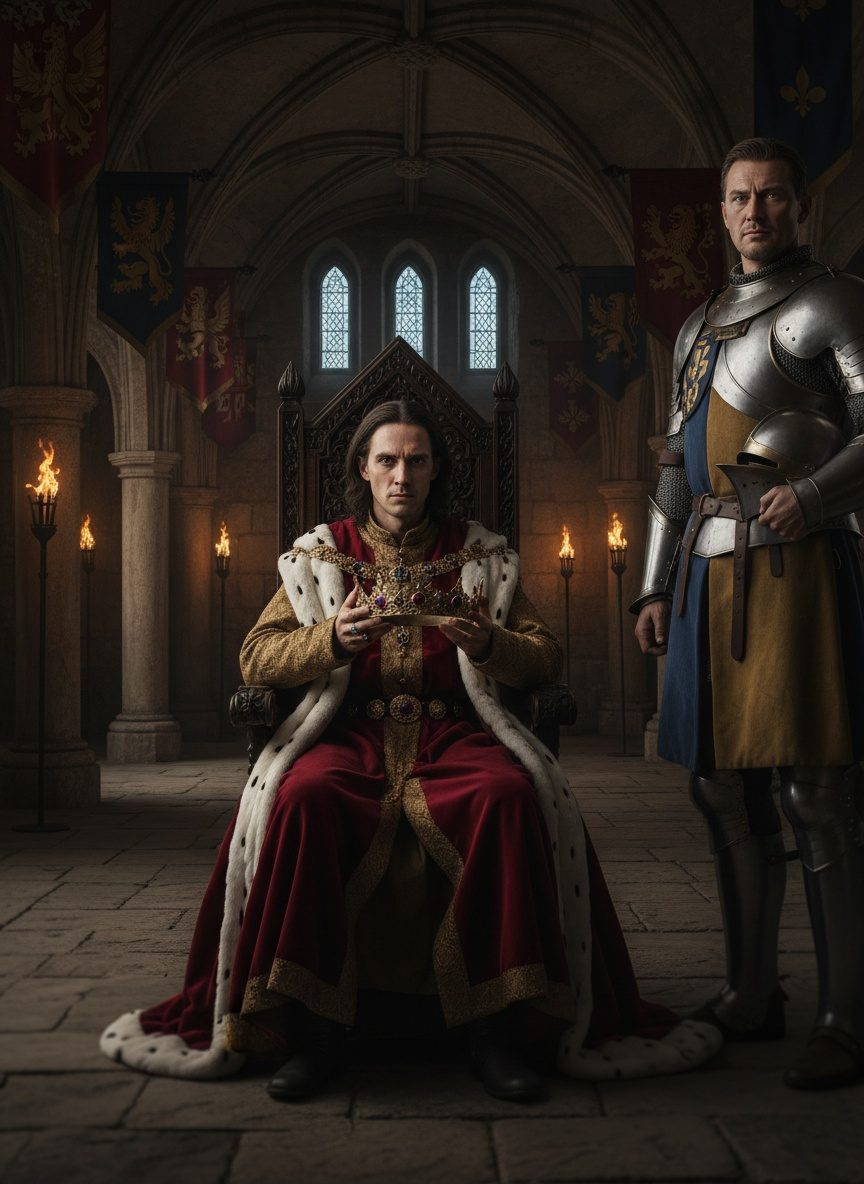
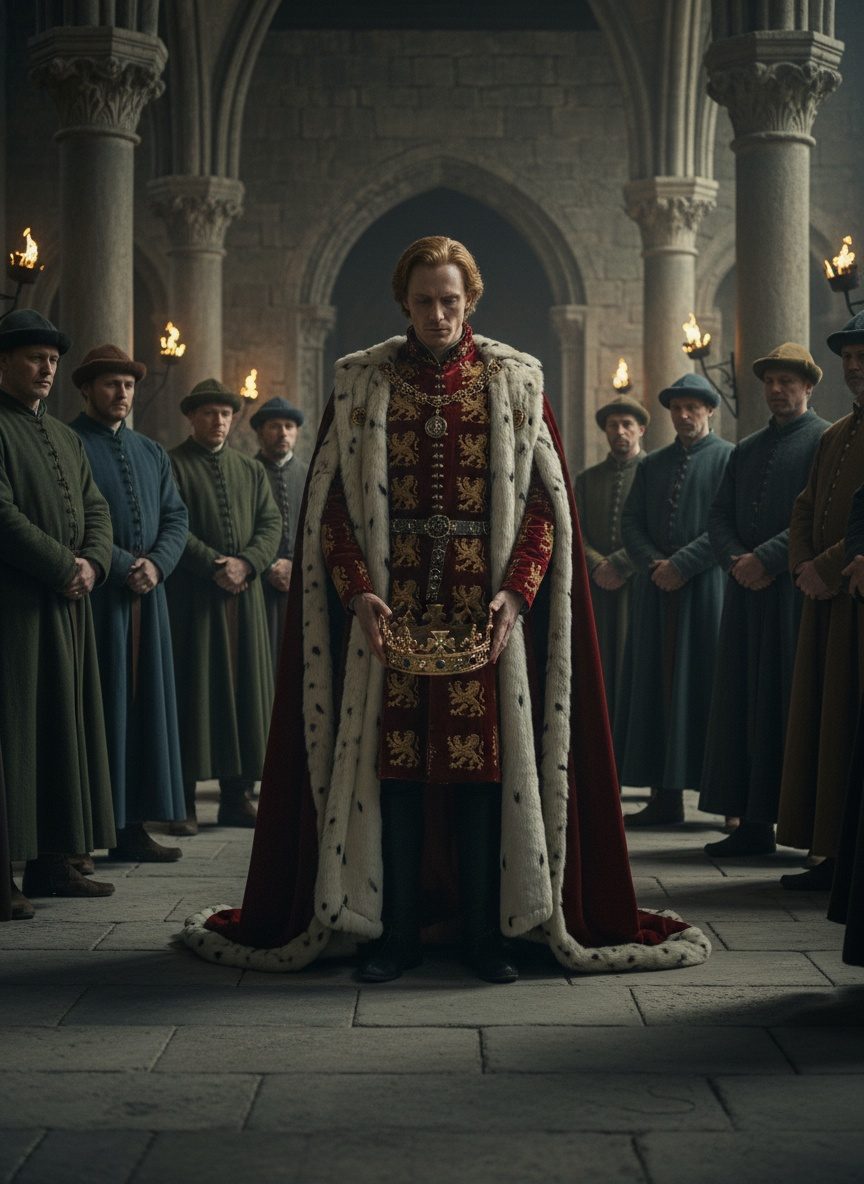
It was in Westminster Hall where the young monarch—now aged and encumbered by the weight of misrule—faced the prospect of losing everything. Still draped in regal attire, Richard stood not as a man humbled by subjugation but as one making his last political maneuver. Witnesses looked on as he reached for the symbol that had both defined and burdened him: the crown. By placing it deliberately at his cousin's feet, Richard became an unwilling agent of his destiny. It was an unprecedented concession, neither forced nor entirely voluntary, born of a bizarre blend of defiance and acceptance. Here was a king, stripped of allies and authority, establishing his controlled descent with that simple act—an act that resounded more like a coronation of conscience than a capitulation.
The Power That Passed
In taking the crown from a demoralized Richard, Henry Bolingbroke transformed into Henry IV, marking the dawn of the Lancastrian dynasty. This moment of transfer was not just a concession; it was a seismic shift in the paradigm of English rule. The historical stage was now set for impending discord we know today as the Wars of the Roses. It signaled a monarchy beginning its metamorphosis from an ideal of heavenly ordainment to a theatre of political machinations, with crowns swayed by cunning and strategic innovation rather than divine right alone. The entitled rebellion that ushered Henry to power served as a vivid forewarning about the fragility of kingship — a lesson future rulers would ignore at their peril.
A Drama for the Ages
Enshrined as both folly and legend, Richard's act of abdication was a profound testament to the complexities of leadership during medieval times. It underscored a fundamental truth about power: it is as transient as it is alluring. For all the traditions his fall altered and the new lines it drew on history’s canvas, Richard’s last voluntary relinquishment of his crown remains forever enigmatic. Was it resignation to inevitable defeat or a tactic to preserve dignity amidst chaos? Perhaps in those final self-driven moments, Richard II equipped us with a whisper of reevaluation — the frailty wrapped within ambition and glory. And in thinking of that solitary crown cast on Westminster’s cold floor, modern observers might glean fresh insights into how history forms, fractures, and renews again.