The Battle of Prestonpans was over in less than twelve minutes. Yet its impact shattered perceptions as profoundly as it did the British Army.
The Rise of a Schoolmaster's Son
The morning of September 21, 1745, was crisp in the lowlands of Scotland, the air tinged with the resolve of two very different armies preparing to clash. For Lieutenant General Sir John Cope, commanding the most modern and arguably the finest government forces in Scotland, confidence ran high. Opposing him was a relatively ragtag collection of clansmen, their trust pinned on a young, untested leader named Charles Edward Stuart, known more colloquially as Bonnie Prince Charlie. Remarkably, the leader of this insurgent force was the son of a schoolmaster, a man whose experience of battle was scant and whose strategy relied not on military doctrine but on the impassioned charge of Highlanders.
The rebellion, which sought to restore the Stuart lineage to the British throne, had brought the Jacobite forces south, leading to this unsanctioned meeting on the fields of Prestonpans, near Edinburgh. Prince Charles had rallied the supporters with a mix of charm, charisma, and a deeply resounding call to a shared heritage and promise of future sovereignty. Clothed in tartans, armed with broadswords, dirks, and a fury stoked by generations of grievances, the Highlanders stood poised to alter the course of history.
To understand why this engagement unfolded as it did, one must rewind to the weeks preceding it. Cope's forces were well-armed and alert, having modern artillery and drilled troops. However, they were unaccustomed to the kind of warfare that would unfold. Cope had underestimated the zealousness and strategy that the Highland forces could muster under Charles’s impassioned leadership. The youthful vigor of the Prince, his command of Highland customs, and his careful reading of his opponents contributed to the impending breakthrough. The scene was set not just for battle, but for the unexpected, a story untold in the predicted balance of power.
Read next: The Day a Freed Slave Stood Up and Stopped a Courtroom
The Twelve-Minute Rout
As the sun crested the horizon, casting stark shadows across the land, the Highland forces made their move. Cope had assumed tactical placements and firepower would guarantee victory. Yet, the battle was not to be dictated by theoretical capabilities but by the force of one devastating assault — the famed Highland charge.
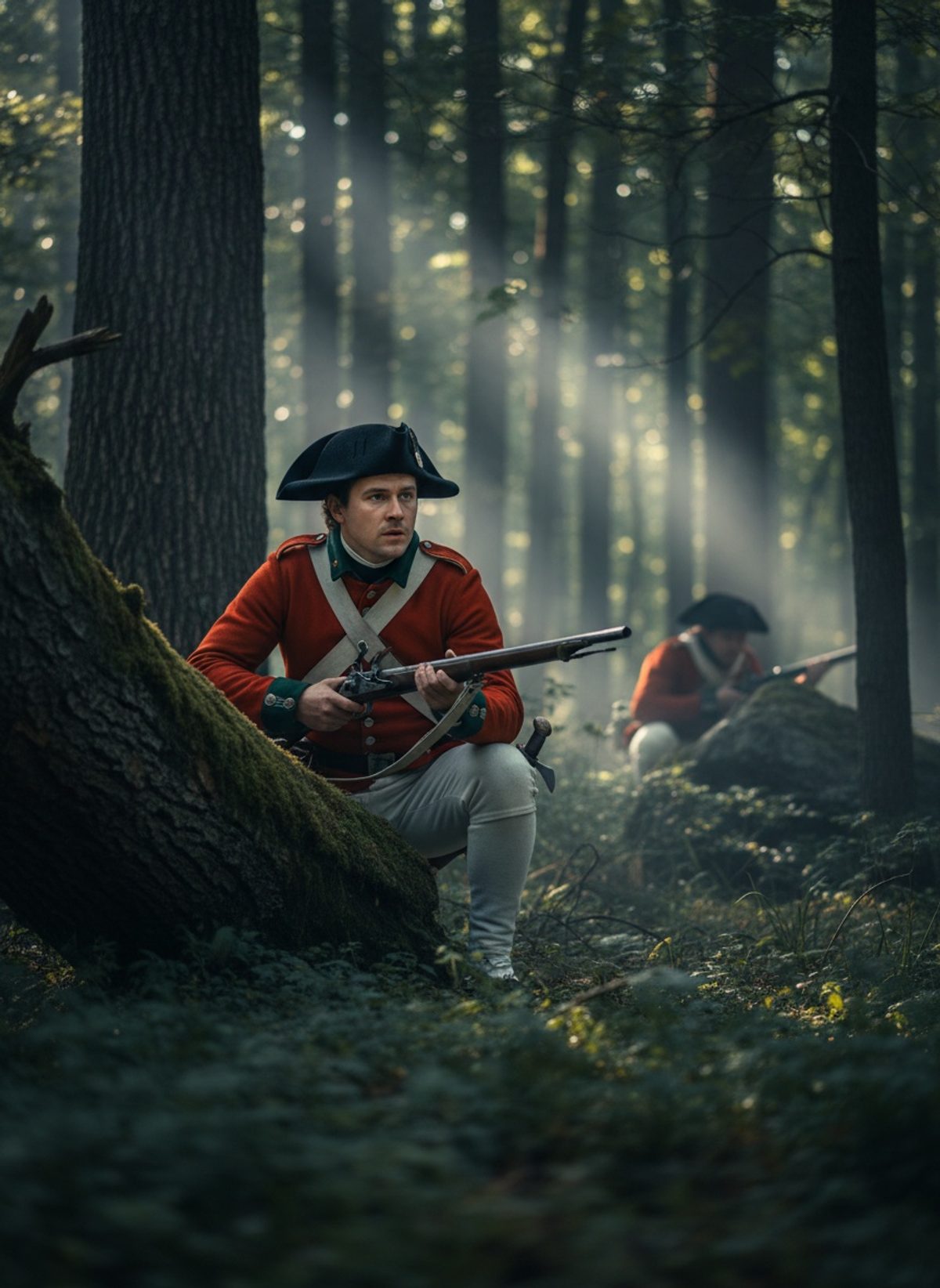
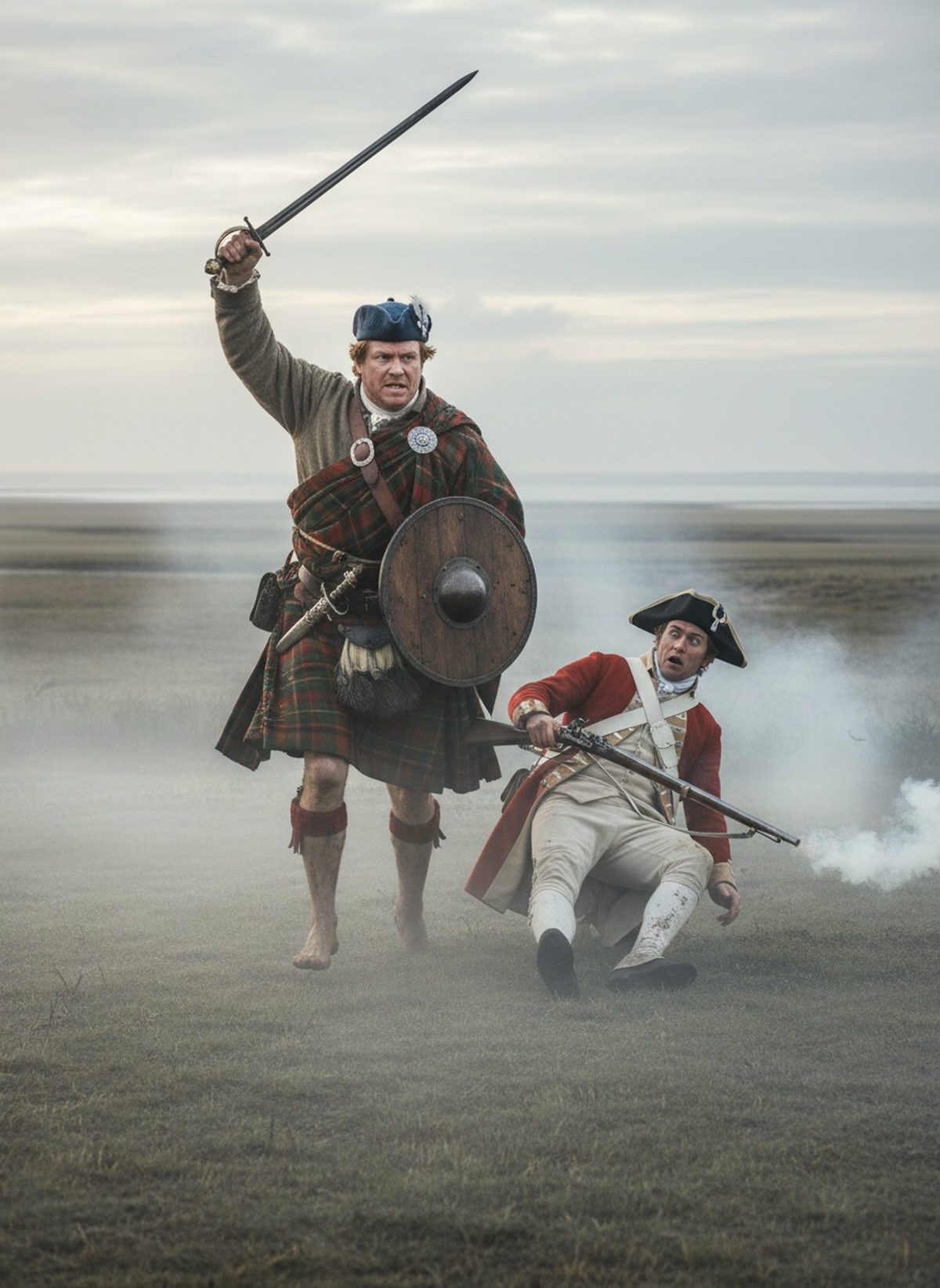
Preceded by morning mist, the Highlanders advanced with silent determination, catching the English soldiers off balance. This was not the pageantry of war Cope might have envisioned. The Highland battle strategy was simple yet effective: a highly emotional and forceful charge that acted with the precision and impact of a cannonball. In less than twelve minutes, it was clear the British lines had not held. The initial blast of the Highland attack broke through the government defenses with a ferocity that defied expectation.
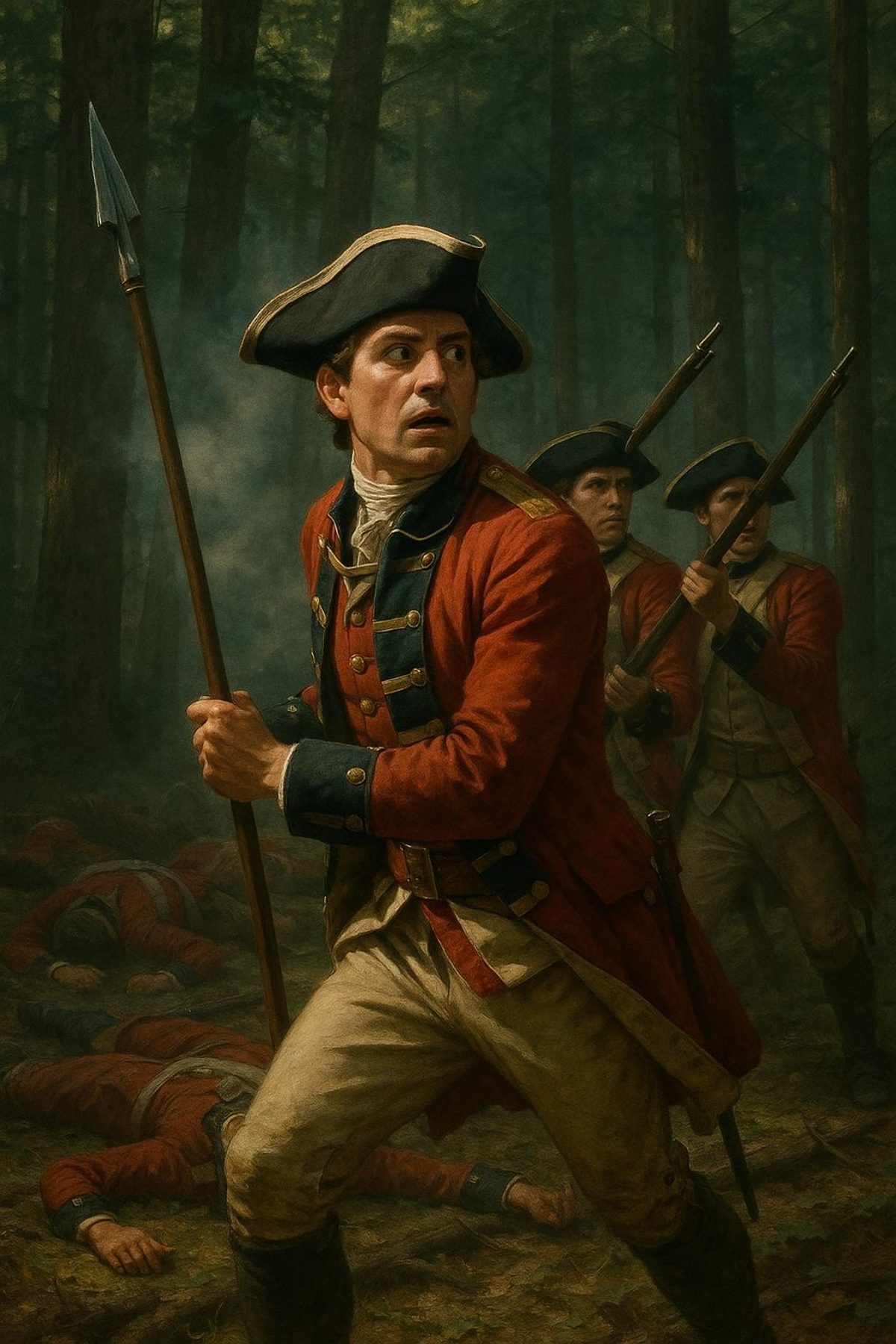
The broadsword-wielding clansmen cut through the professional soldiers, their savage advance magnified by sheer determination. Men used to warfare by numbers and formations found themselves overwhelmed by an enemy unwilling to adhere to the same rules. Cope's army crumbled, the soldiers retreating in disarray back towards Berwick. The Gaelic battle cries echoed in the aftermath as though commanded by forces of fate. Cope and his officers had miscalculated the raw energy and desire of men fighting for their lands and legacy, a misstep that led to their quick defeat.
The Aftermath and the Lessons Learned
The victory at Prestonpans was about much more than a single battle. It resounded through the halls of London, inducing a wave of disbelief and forced reassessment of military strategies. Now the government stood on the precarious edge of potential full-blown rebellion, their authority over the Scottish Highlands tenuous and challenged. The schoolmaster's son, with his never-before-commanding experience, had orchestrated not just a victory but a momentous shift in the perceived invincibility of the British Army.
In the days following, tales of the battle swept through the Highlands, cementing the legends of the Jacobite heroes. However, the ramifications were more than just storied victories. For the next generation, Britain had to contend with its underestimations and the fervor it had encountered. The defeat prompted a reevaluation of military doctrine, a realization that no sheer modernity or superior arsenal could replace understanding one's opponent and the heart driving their fight.
Ultimately, the legacy of Prestonpans lies in its stark reminder of underdogs defying odds, of human spirit triumphing amidst insurmountable circumstances. The echoes of that day, much like the Highland charge, remain imprinted upon the cultural and military tapestry of Britain — a rich thread in the legends so oft left untold from orthodox texts, yet vivid for those willing to delve beyond conventional history.