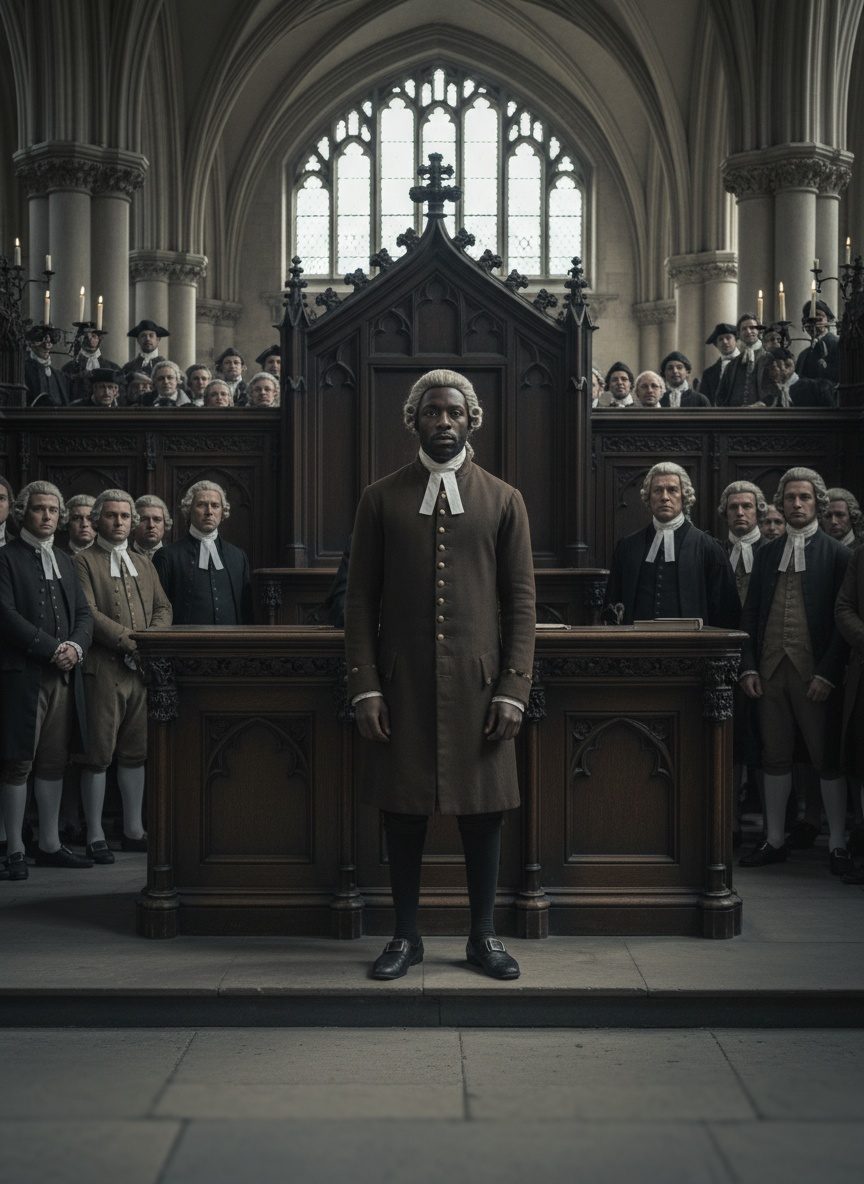
Half a lifetime ago, a brisk London morning saw fog clinging to the cobblestones like an ancient phantom, whispering through narrow alleyways and clutching at the skirts of black-coated passersby. From above, grey skies pressed down on the city's cacophony: the clip-clop of horse hooves, the rhythmic cries of market vendors, and the rough, smoky coughs of climbing boys. These were the smallest of London's laborers, sent into chimneys barely wider than their narrow, malnourished shoulders. It was against this backdrop of childhood lost and innocence ground to soot that an unlikely champion emerged—a solitary figure who dared to stand against the cruel machinery of profit and indifference that had overlooked them for so long.
The Heart of the Soot-Stained City
In Georgian London, the specter of industry rose alongside its gleaming facades. The soot-blackened boys darted in and out of the shadows, their tiny forms more silhouette than substance. They were a desperate solution to a smoky problem—the ingenious and inhumane answer to the capital's insatiable hunger for warmth. As young as four, these 'climbing boys' were thrust into the sooty throats of chimneys, tasked with scraping the carcinogenic residue that billowed from the fires of the city's affluent. Their cries and tattered clothes were a blurred part of the scenery, drowned out by London's incessant pulse.
Jonas Hanway was all too aware of this reality. An inveterate philanthropist and campaigner, Hanway had not always been appreciated in the halls of power. Yet he possessed a stubborn heart, and it was this glaring injustice that led him to Parliament's door. He knew that detailed reports of unbearable suffering rarely moved hearts as much as stark remnants held out to see. Children with scorched backs, their limbs twisted by unrelenting convulsions and skin marbled by smoke, were testimonies to an industry that had turned a blind eye. And so it was, with only a pamphlet in hand and a deep conviction in his heart, Jonas made his lone march on the unyielding doors of power.
A Lone Voice Against the Fumes
Within the ancient stone chambers, Jonas Hanway confronted indifference with eloquence born of passion. Parliament was a world built on stately discourse and grandiose ambitions, vast policy debates that cared little for the street-level tragedies of soot-stained children. The lawmakers who flanked him were clad in powdered wigs and broad shoulders—symbols of a detached elite—but Hanway's was a campaign of determination over decorum. His mission was to crack the façade and shine light on the dishonest shadows that had long kept chimney sweeps in shackles of indifference.
Read next: The Day a Quaker Walked Into Parliament for the Insane
His opponents wielded words like "necessity" and "tradition" as though they were swords against change, and yet, Jonas was prepared for each of their parries. He laid out the costs of human life, drew hard lines between necessity and cruelty, and illustrated, with chilling clarity, the cruelty that had been rendered invisible by tradition. His plea was not merely for the immediate salvation of boys striking soot from chimney tops, but a cry to the senses of those who so often drank tea by fires kindled on the backs of babes. When he left those chambers, Jonas Hanway had not just planted seeds of thought—he had fertilized them with the urgency of dying innocence.
From Soot to Significance
On June 7, 1788, the dream that Hanway had carried alone began taking legislative form—a change in the air every bit as real as the coal-laden clouds that obscured the sun over Spitalfields. It was only the beginning: an act that symbolically protected climbing boys from the harshest conditions, offering glimmers of hope that greater reforms might follow. Yet, to bridge dreams to reality required an unyielding commitment to vigilance. The machinery of change was as stiff and unyielding as the chimney flues themselves, and it was only because Jonas Hanway and others like him refused to let it rust in its tracks that progress was made.
More laws would follow, each wrung from stubborn tradition like coal from the earth. The story of the chimney boy did not end in neatly delineated triumph but unfolded in chapters of incremental justice. Hanway's ongoing advocacy was a reminder that change is often forged in unnoticed, unfeted acts of courage. The law he carved from uncertainty bore his spirit, a testament to his insistence on compassion over callousness.
As Jonas Hanway took his final steps away from the halls of Parliament, his solitary silhouette was accompanied by the whispers of countless forgotten voices, rising now, perhaps, in a different kind of coalition. His legacy would shape generations who learned that the weight of injustice is borne not by faceless institutions but by individuals who refuse to pass by the smallest in need. The story of the London lawyer who stood up for a dying chimney boy remains a stark reminder that in the cold machinery of change, it is the human heartbeat that warms the wheels.