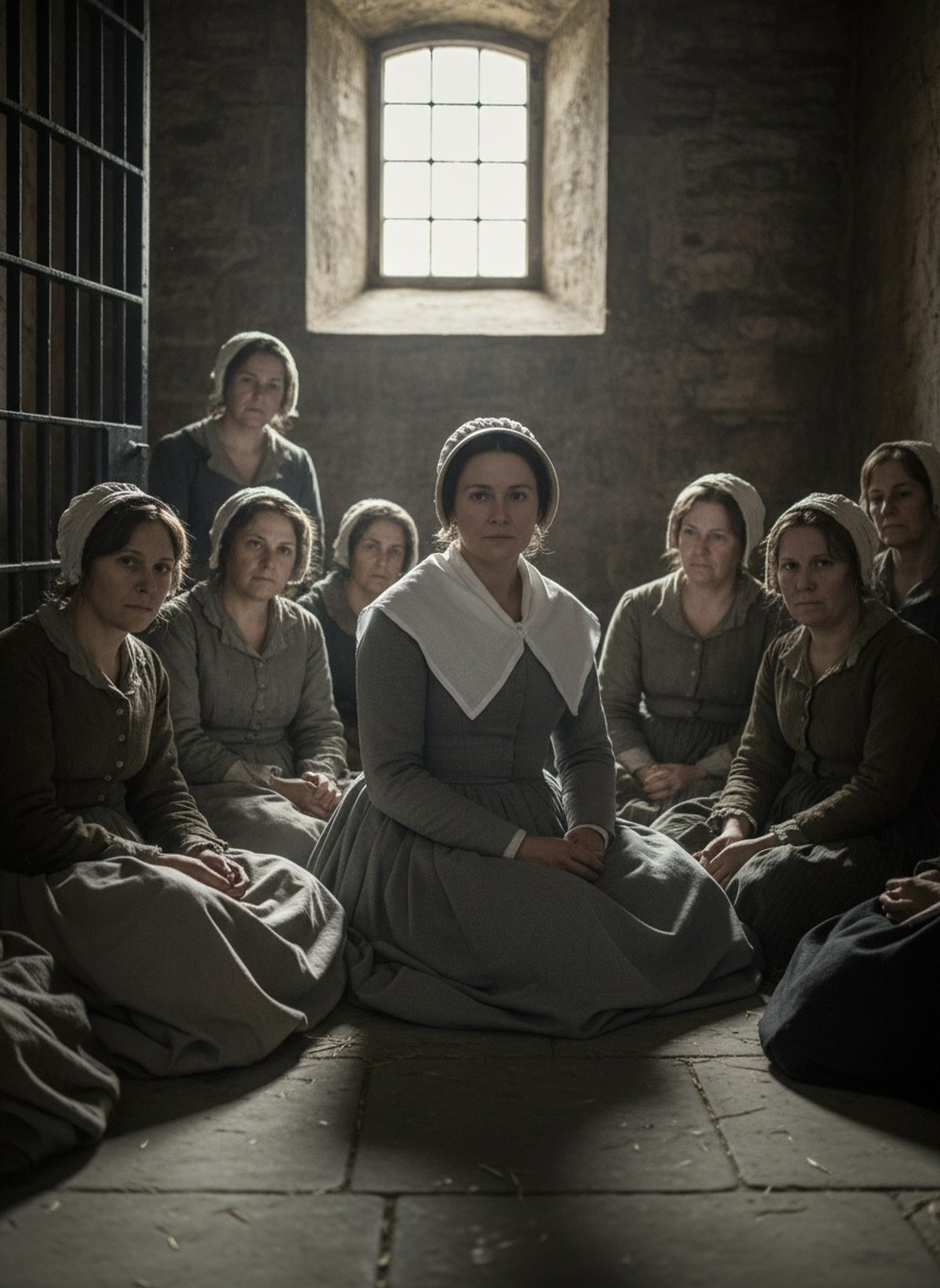
The narrow aisles of Bedford Gaol reeked of sweat and sickness. The air was a heavy, fetid concoction of human despair, hanging over the suffering like a shroud. As John Howard stepped into this wretched hive in 1773, he wasn't greeted by the usual chaos of clanging iron or shouts of desperation. Instead, he was met by a haunting silence punctuated by the coughs and low moans of the dying. A quiet English sheriff, Howard had neither political aspirations nor a craving for fame. Yet, what unfolded before him would change more than his life; it would change the very conscience of a nation.
The View Inside: A World Unseen
Howard's first venture beyond the threshold of Bedford Gaol opened his eyes to an underworld not seen by polite society. The prison wasn't just a place to detain the lawless; it was a penance in living death. Men clung to life behind iron bars, children lay shackled to their fate, with only the dimmest sliver of daylight touching their grim reality. Inmates huddled together to fend off the relentless chill of stone walls, their stomachs hollow from days without food. And then there was the gaol fever, an omnipresent specter claiming prisoner and jailor alike, leaving its mark on all who entered its domain.
What startled Howard wasn't just the conditions themselves, but the indifference to them. The systems in place—the very ones supposed to maintain order—allowed unspeakable neglect. Prisoners were often left to buy their own food, medicines, and cleanliness—commodities that eluded the impoverished souls within. It was a vicious, often deadly cycle that closed around the unfortunate like a steel vice.
From Sheriff to Champion: A Journey Begins
Howard's mission wasn't formulated in grand declarations; it began with a simple yet relentless call to duty. As a sheriff, it was his obligation to inspect prisons, yet the horrors he documented propelled him beyond mere obligation. With Bedford etched into his mind, Howard embarked on a quest across the gaols of England. His survey was exhaustive—no jail too small, no detail too trivial. He recorded everything meticulously: the lack of fresh air, the absence of sewers, corruption, and cruelty that marked every institution along his path.
Read next: The Day a Surgeon Walked Into a Prison and Freed a Madman
His findings culminated into something more significant than just observations; they were testimonies of the human condition, cries pleading for change penned in ink. Howard meticulously cataloged diseases swelling in dank corners and malnutrition rife among inmates. The deplorable state of these institutions was no longer just a distant rumor—it was a documented reality, undeniable in its stark truth.
The Ripple Effect: From Gaols to Parliament
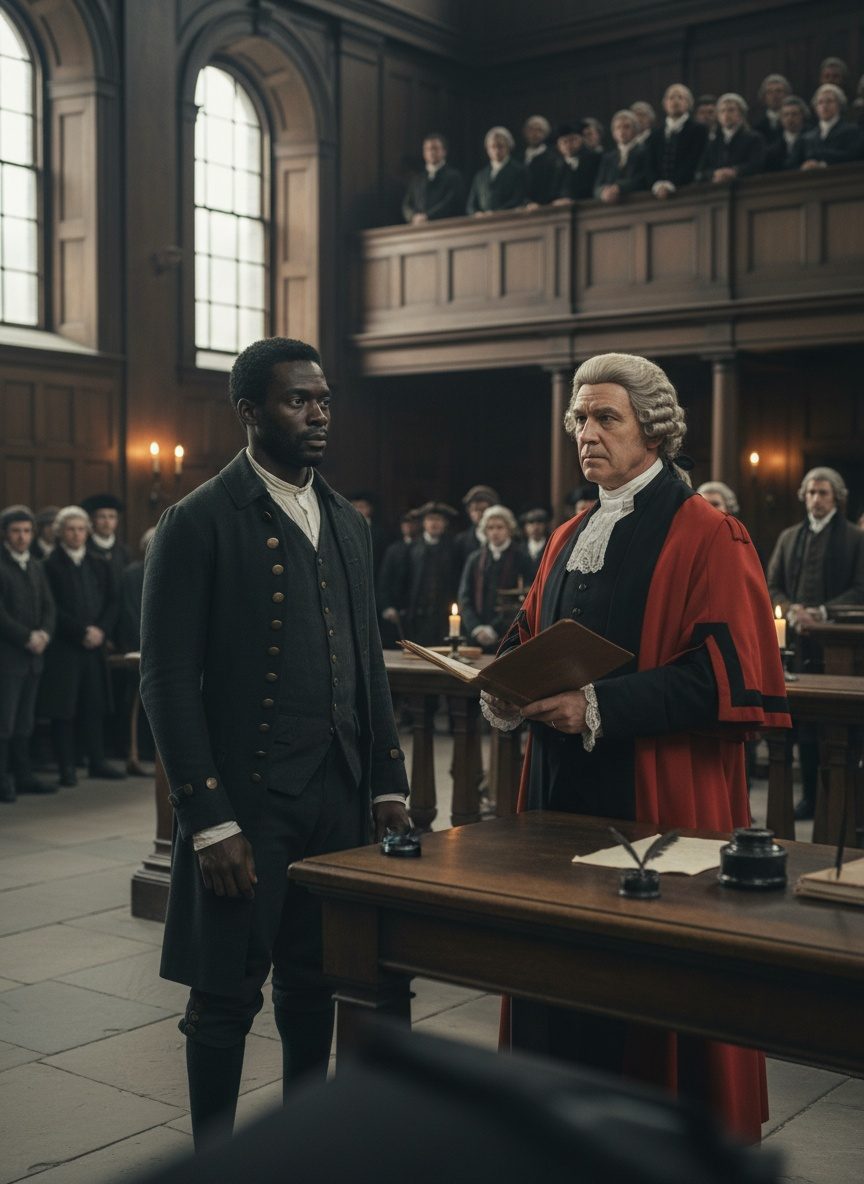
Howard's papers weighed heavy with the suffering of countless voices, and in 1774, he carried that weight into the hallowed halls of Parliament. Howard did not wield power in the traditional sense; instead, he wielded the weapon of incontrovertible evidence. His sincerity and dogged determination cut through layers of apathy that had long plagued political process. With trembling hands, he laid bare the horrors of the English penal system, sparking a groundbreaking dialogue.
His grim yet compelling reports exerted a pressure that could not be ignored. It was challenging to turn away from faces etched in his descriptions—a call to the conscience of the lawmakers. Howard didn't just present problems; he suggested solutions, calling for cleaner, more humane institutions, fresh air, and medical care. His persistence was the dawn of critical prison reform—reforms that would resound beyond borders, challenging Europe to consider the humanity of their imprisoned.
A Legacy Beyond Walls
Howard's passion for reform took him beyond English shores. He trekked across Europe, his footsteps echoing through foreign cells in France, Italy, and Germany. Everywhere he journeyed, he engaged in a dialogue spoken through empathy, advocating for dignity and decency, connected through the shared understanding of suffering. His chronicles formed the backbone of prison reform efforts worldwide, evolving beyond the caricature of a typical hero. He was a quiet man who reshaped history through the power of observation and the unwillingness to turn away.
The legacy of John Howard is found not in monumental edifices or grandiose titles but in the unseen reforms that rippled through time, touching lives indefinitely beyond his own era. His journey didn't just shine a light into the darkest corners of Britain’s prisons; it sparked a fire of social reform that burned across centuries. Howard's work serves as a timeless reminder of the power of one person to change the course of history—not through grand gestures but by refusing to accept the unacceptable. In the bleak silence of Bedford Gaol, a quiet sheriff bore witness, and in his footsteps, a nation learned to see and care.