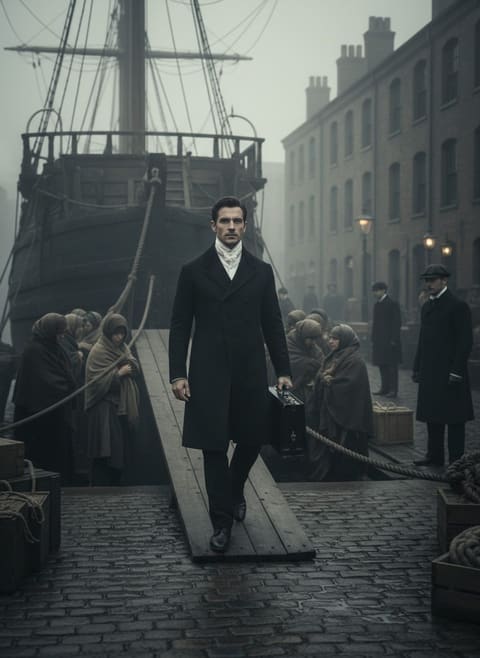
Joseph Knight was not a man of wealth or stature. He stood in a Scottish courtroom and changed the course of history.
The Young Boy from Jamaica
Joseph Knight's journey began far from the bustling cobbled streets of Edinburgh, amidst the plantations of Jamaica. Born into a world where the chains of slavery clanged louder than the humming breeze, Knight's early days were marred by the grim specter of servitude. Purchased as a child, the innocent dreams of youth were ripped away from him, his fate sealed by the oppressive forces of colonialism. Yet, within this young boy burned a flame of resilience, one that would carry him across the Atlantic and into the very heart of Scotland.
In the lush yet harsh plantations of Jamaica, Knight's existence was dictated by the sun's arc and the overseer's lash. There was no respite, only the hope of a tomorrow slightly better than today. Legally chained to his master, John Wedderburn, Knight's life was presumed to be under the same jurisdiction as other possessions—a belief firmly held by many during the Georgian era. This unfounded sense of entitlement by the masters was about to be challenged in a land where the definition of freedom was under scrutiny.
Edinburgh: The Unexpected Sanctuary
Scotland in the late 1770s was a land of dichotomies. The Enlightenment had taken root, fostering critical thought and nurturing ideas of humanity and equality. Yet, like much of Britain, it was still economically entwined with the industries of slavery. Those who crossed the sea, the humans harbored as cargo, were considered properties rather than people. Upon arriving in Edinburgh, Knight found himself with an unusual promise from his master—a path to self-ownership upon service fulfillment. But promises in the fog of ownership and rights often dissipated as swiftly as the Scottish mist.
Read next: The Day a Cornish Surgeon Walked Into a Condemned Cell
For the outwardly tranquil city of Edinburgh, the legal and moral ramifications of slavery were about to be tested. This stronghold of learning and culture, home to philosophers and thinkers like David Hume and Adam Smith, was on the cusp of putting theory into action. The stage was set for Joseph Knight, the former Jamaican slave, to stand against not just Wedderburn, but against a long-held belief.
In the Heart of the Courtroom
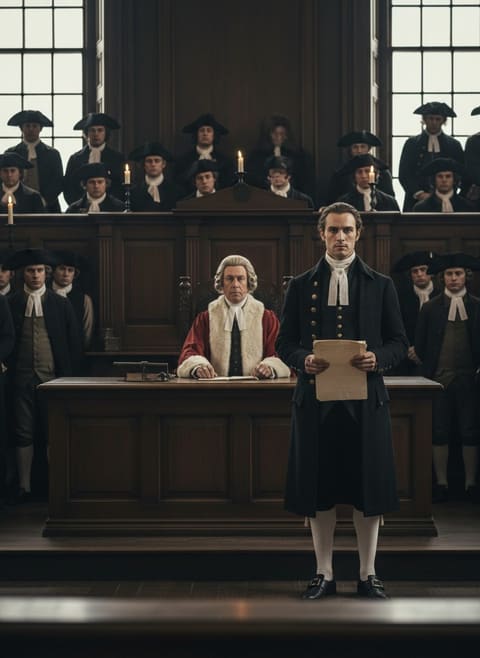
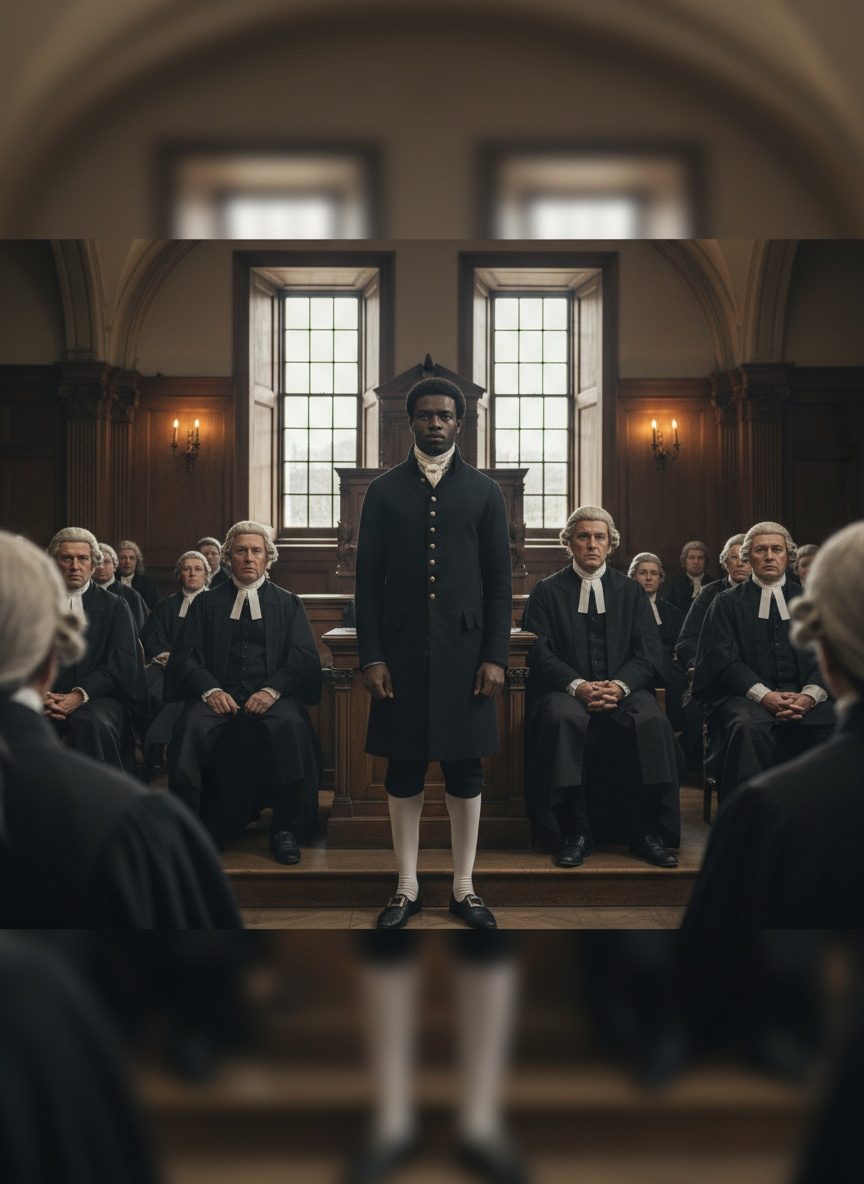
It was within the hallowed chambers of Edinburgh's courtroom that a historic contest unfolded. The case brought forth by Knight rested upon a singular, indisputable claim—that he, now in Scotland, could no longer be owned. His plea was simple yet profound: freedom based on the moral assertion that once on Scottish soil, the chains of slavery should dissolve. The burden of precedent hung heavily in the air, given Scotland's own history of often sidestepping England's paths.
Wedderburn, certain of his legal standing, argued that Knight was his property, bound by laws as immutable as those of nature. Yet, as the arguments unfurled and echoed through the courtroom, the core of Enlightenment thinking—humanity's fundamental rights—resonated with the judges. Knight's defense was a potent combination of both moral reasoning and the societal fabric shifting beneath Britain's imperial feet.
The ruling was groundbreaking. The judges declared that Scotland had no place for slavery, a decision that not only freed Joseph Knight but also sent ripples across the whole of Britain. This verdict confirmed to all that the soil of Scotland would not bear the weight of chains, nor would it bow to the ownership of one human by another.
Read next: The Day a Vicar's Son Walked Into a Debtor's Cell and Freed Them All
Beyond the Verdict
The significance of Joseph Knight's case transcended the personal victory it represented. It was a profound, albeit quiet, revolution—one that underscored the ideological battles of the era. This singular case helped lay the groundwork for future legal reforms within Britain and its colonies, challenging centuries of entrenched practices. Knight, who had once toiled in anonymity, became a symbol of a burgeoning movement towards universal rights and the questioning of systemic oppression.
Yet, despite the victory, the path ahead was neither clear nor immediate in abolishing slavery worldwide. Knight's freedom shone brightly against the dark backdrop of continued struggles, both within British territories and across the Atlantic. Real change required not just legal victories but societal transformations—a task that would take generations more to fulfill.
This story of an ordinary man's resolve in an extraordinary moment serves as a powerful reminder of the fragility and persistence of human rights. Joseph Knight stood firm inside a centuries-old institution to challenge a widespread belief, altering history's course. His defiance and the subsequent ruling remind us that justice is sometimes found not in the expansive halls of power, but where principles of humanity and courage meet. As we turn pages of history rarely examined, Knight's tale urges us to reconsider what freedom truly means, not just in legal terms, but in the boundless scope of human dignity.