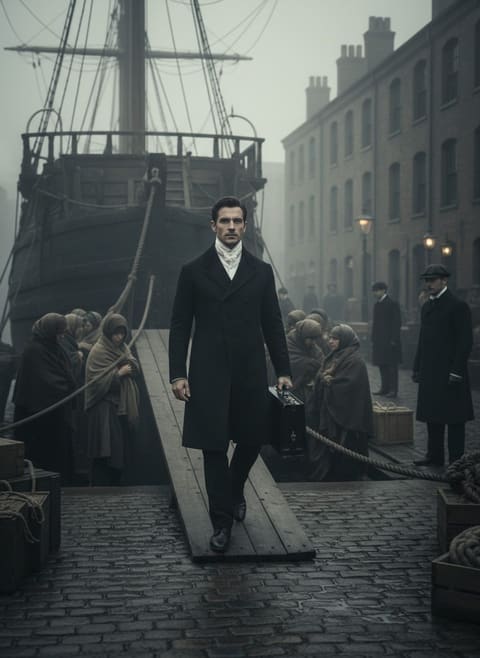
December 15, 1778. The chill winds of Edinburgh swept through the cobblestone streets, rattling windows and rustling the cloaks of those gathered outside the Court of Session.
Standing Against Chains
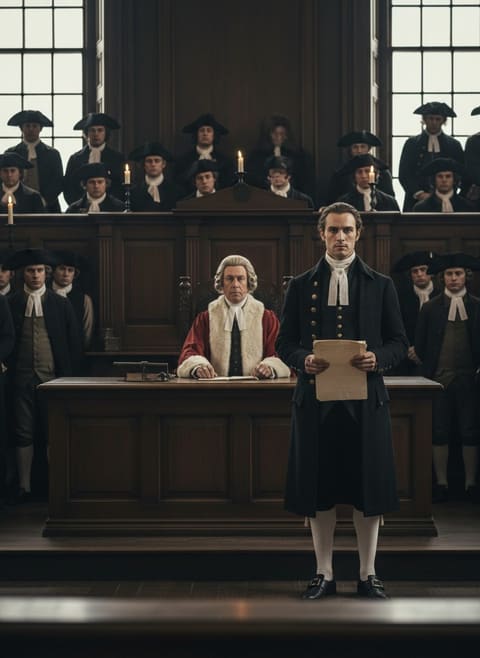
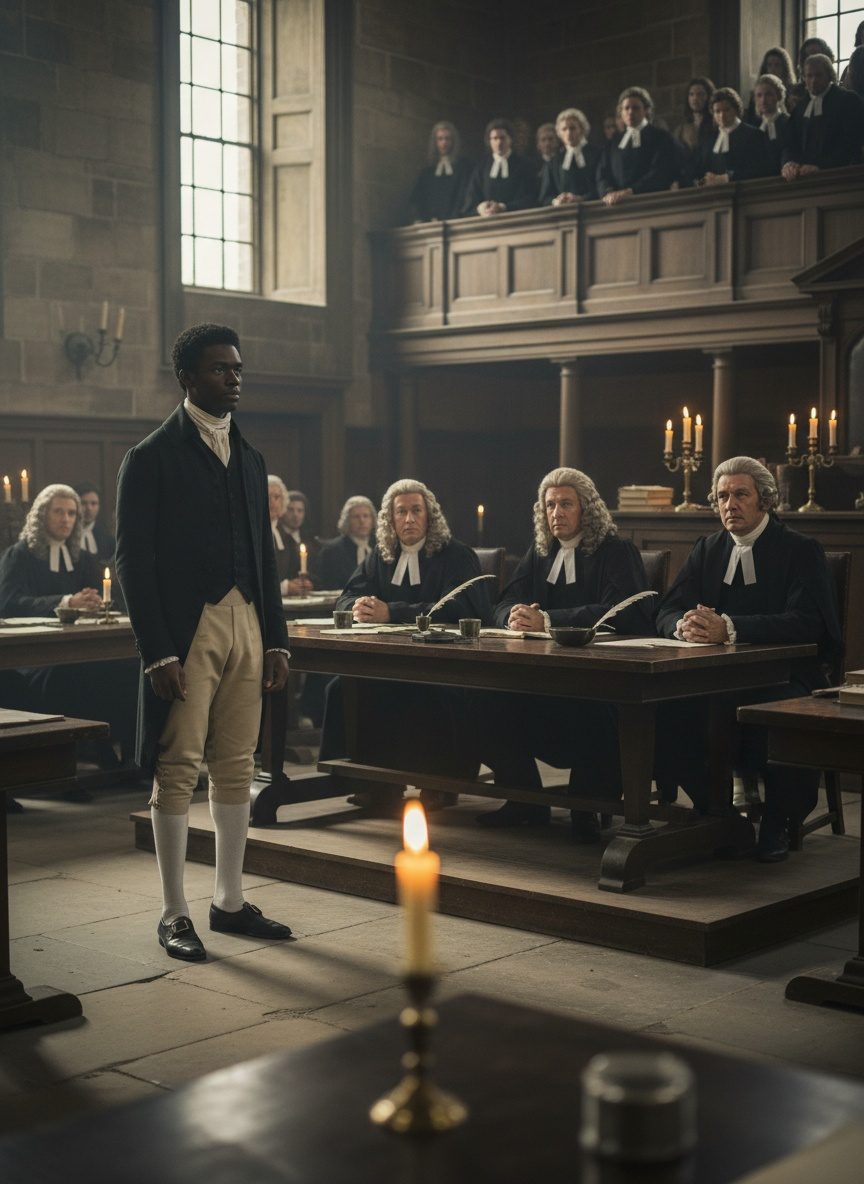
Inside the courthouse, the air was tense with expectation. Joseph Knight, a Black man from Jamaica, stood before the highest judicial authority in Scotland. Wind from the northern seas pried at the windows of the grand room where Knight's life story hung in balance. His presence marked the climax of a struggle that began long before he ever set foot on Scottish soil—a story shaped by chance, legal ambiguity, and Knight's unyielding resolve.
Knight had been brought to Scotland by John Wedderburn, his master, a wealthy landowner who had enriched himself through the brutal efficiencies of Caribbean plantations. Wedderburn, steeped in the certainty of his station, viewed Knight as nothing more than property. However, within the confines of Scotland, Knight refused to accept the bonds of ownership. He was exposed to new ideas, ones that crackled with the sparks of the Enlightenment, whispering of liberty and the intrinsic dignity of man.
The impulse for freedom, nurtured by such ideals, spurred Knight to make an audacious decision: to challenge his status as a slave in the courts of a country thousands of miles from the tropical lands where he had been purchased. The courtroom was packed. Edinburgh's gentry and common citizens alike gathered to witness the confrontation between entrenched privilege and a plea for justice.
Read next: The Day a Cornish Surgeon Walked Into a Condemned Cell
Knight's argument was simple yet profound. He contended that under the law of Scotland, a land with no statues explicitly permitting slavery, he should not be considered property. The judges listened as Knight, without wealth or the language of legal scholarship, laid bare his demand for recognition as a man and not chattel. Silence filled the courtroom, the only sounds the rustle of robes and the ticking of the great hall's clock, marking the seconds as legal minds weighed the testimony and its implications.
The Judgment of Humanity
The argument struck at the heart of what many Scots believed about their nation. Scottish law lacked a formal framework to support or oppose slavery, and the courts were now tasked with defining where they stood. Knight's poignant assertion echoed through the halls and touched the soul of a society that prided itself on its role in the Enlightenment—a movement that preached equality, reason, and humanity.
Knight's advocate emphasized the contradictions inherent in treating a man as property in a nation flourishing under the banners of intellectual progress. These were not merely courtroom theatrics; this was a clash of ideals which demanded that Scotland define its own identity in a rapidly changing world.
Wedderburn, certain of his victory, argued with the confidence of those accustomed to positions of power. Yet, as the hearing unfolded, the weight of tradition struggled against the clarity of new moral perspectives. The final moments saw the judges retire, leaving the crowd to speculate on the outcome. The atmosphere was charged with the anticipation of an epochal ruling.
By the time the verdict was delivered, Joseph Knight's narrative had become more than just a personal fight for freedom; it was a litmus test for the society standing at the cusp of modernity. The decision, carefully deliberated, was a watershed moment—a judicial affirmation that Knight was indeed a free man. The court declared that in the absence of legislation explicitly sanctioning slavery, a man brought to Scottish soil could not be enslaved.
Read next: The Day a Vicar's Son Walked Into a Debtor's Cell and Freed Them All
Why Knight's Victory Echoes Today
The repercussions of Knight's triumph were felt far and beyond the Scottish borders. Knight's case held a mirror to a society that was starting to move beyond the old dogmas. Here was a vital reminder that shared human values must overpower the tyranny of economic gain and entrenched traditions.
Joseph Knight walked out into an uncertain world, liberated from the claims of ownership. Yet his personal victory resonated through the years, influencing public opinion and judicial rulings well into the era of abolition. The judgment reverberated across Britain, ricocheting through courtroom halls and beyond, into homes and taverns where debates on human rights and humanity's future were fervently discussed.
The courage Knight displayed, standing solitary against an empire that expanded on the backs of many like him, offers poignant insights today. It challenges us to ponder our own legal and moral stances in contemporary times. Knight, an almost forgotten figure, reminds us of the powerful change an ordinary individual can effect through unwavering conviction.
In the grand narratives of history, the story remains often untold—a simple man's impactful, undeniable quest for recognition as a human, printed on the parchment of justice with indelible ink. The echoes of that December day in 1778 continue to call upon us to reflect and uphold the ongoing struggle for equality and human dignity.