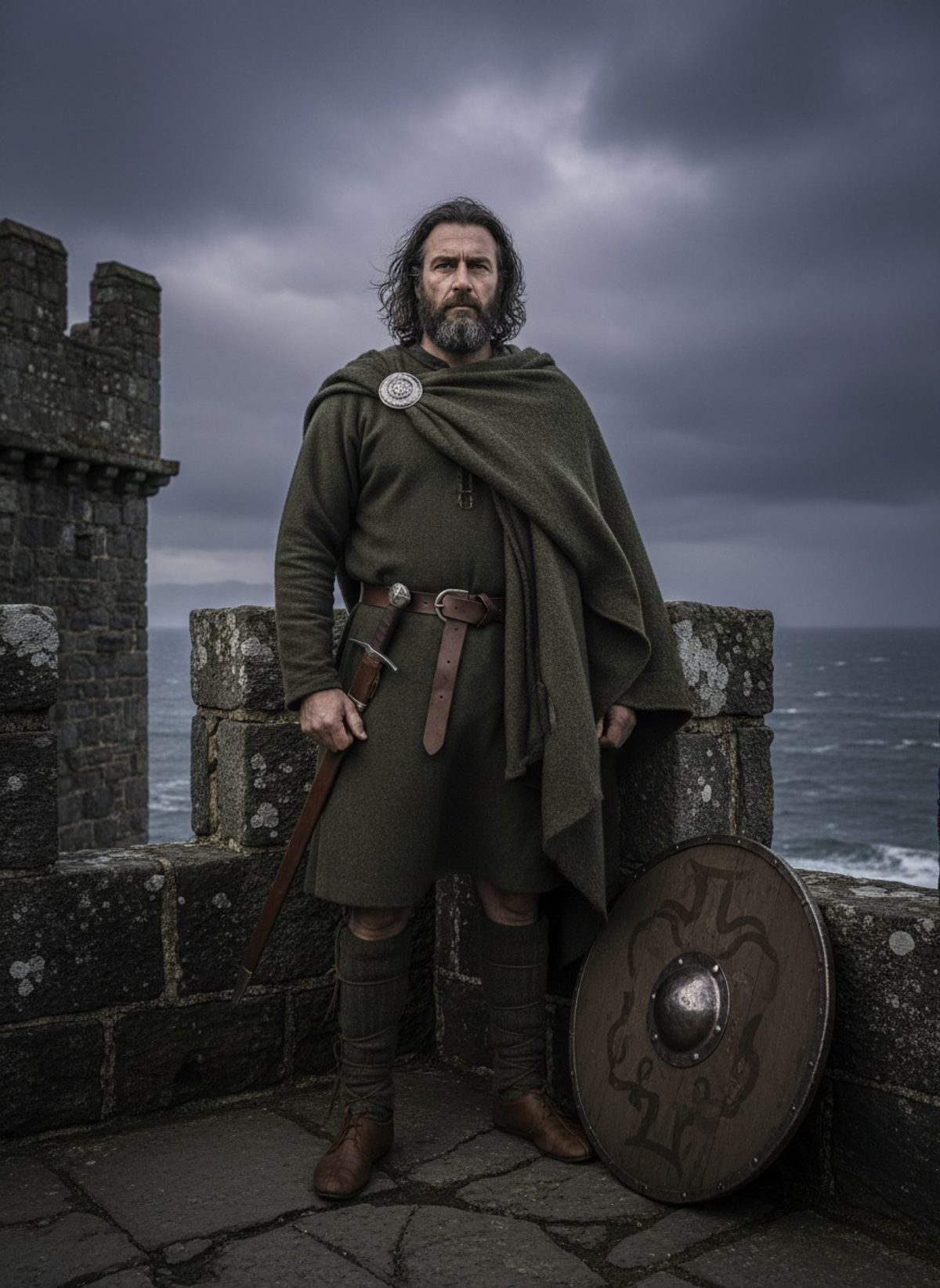
The King's Command
In 1638, Scotland found itself at a crossroads. King Charles I, a monarch intent on absolute power, sought to impose his iron grip on the Kirk—the church of Scotland. His demand was simple but searing: every church must submit to royal authority. This was a decree that threatened to erode the autonomy that Scottish congregations fiercely held. Such control from the throne was unacceptable to many, an echo of tyranny that clashed horrifically with the Scottish sense of spiritual independence.
In Edinburgh, this directive was met with fervent opposition. Citizens poured into streets, their voices echoing through Parliament Square with cries of discontent. Yet anger without direction often fades, and what the people needed was not just outrage but a focal point—a figure who would show them how to take a stand. Andrew Cant, a minister and the principled son of a humble weaver, became that figure. He recognized that more than words and protests were needed; it was time for action that echoed through history—a direct challenge to regal interference.
Signing the Covenant
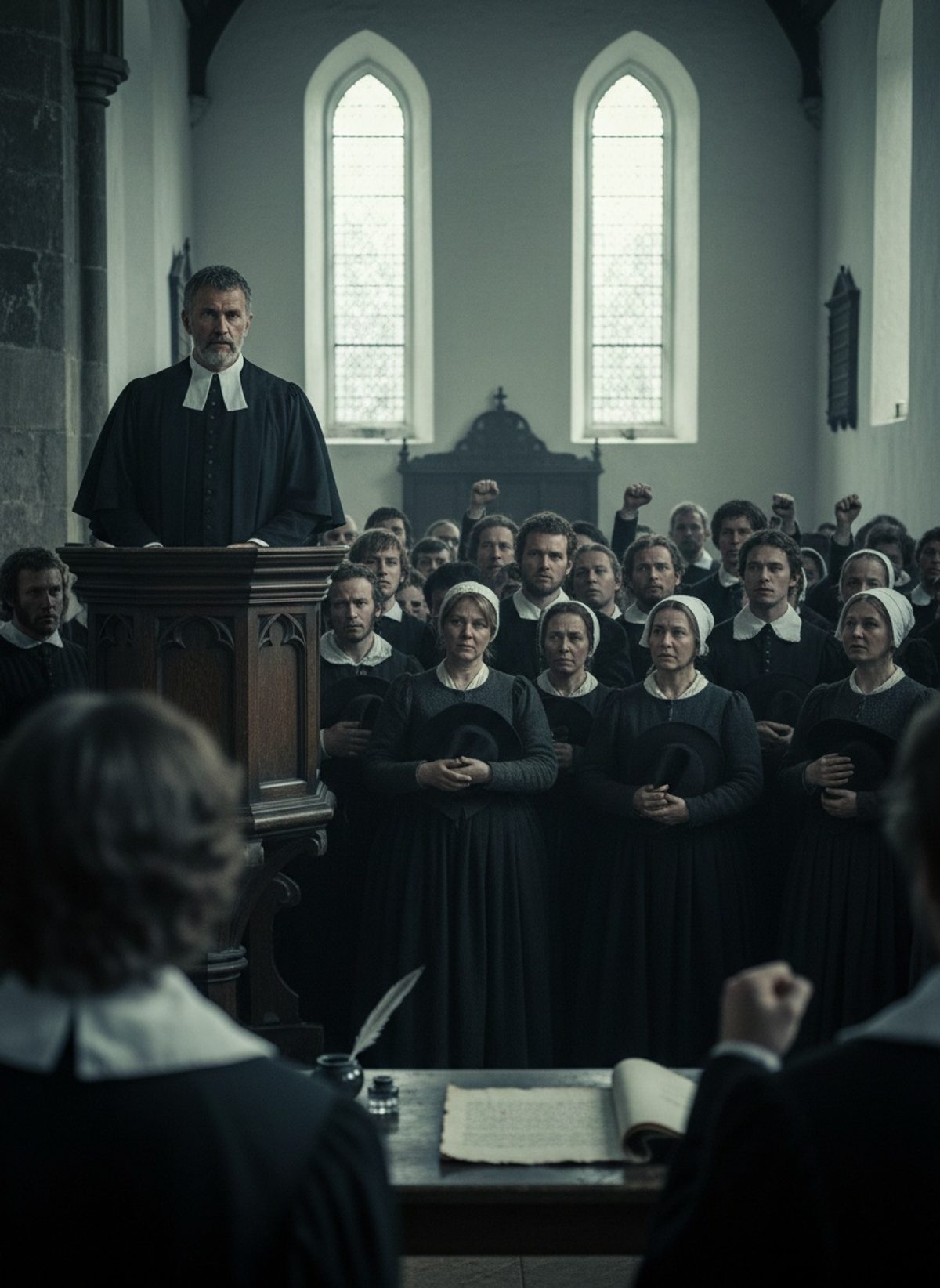
The atmosphere in the cathedral was electric with tension as figures clad in dour black cloaks and white collars, alongside townsfolk from all walks of life, gathered to hear the sermons that would guide their defiance. It was during such a congregation that Andrew Cant took to the pulpit. His voice, firm and unwavering, carried across the pews as he declared his commitment to the National Covenant. This document was more than a statement; it was a binding promise of solidarity, affirming the resolve to maintain the religious freedoms that defined Scottish identity.
As Cant's words reverberated off the stone walls, they transformed into a clarion call for others to follow suit. With a quill dipped in ink, the minister signed his name with a flourish—each stroke on the parchment an act of rebellion against royal overreach. The crowd watched in silent awe, an act of bravery unfolding before them that would ripple through Scotland's hills and valleys. One by one, inspired by Cant's courage and conviction, members of his congregation stepped forward, each signing their own names with hearts full of resolve to uphold their ancestral ways.
The National Covenant spread like wildfire through Scotland, uniting disparate communities in a shared cause against the heavy hand of the king. In circles both rural and urban, from the Lowlands to the Highlands, the Covenant was read aloud, copied, and disseminated. It became the backbone of a nationwide movement, one that articulated not just religious freedoms but the broader yearning for Scotland’s political voice to be heard—a voice that for so long had been overwhelmed by the sovereign’s demands.
Unity in Defiance
The signing of the National Covenant was not just a moment of unity against a common adversary; it was an act of profound personal transformation for those involved. For Andrew Cant, it was the elevation from a minister of a local flock to a leader in a national cause. His legacy, forged in the crucible of this crisis, was one that would resonate through the centuries. This defiance catalyzed what would be known historically as the Wars of the Three Kingdoms—an era of tumult and change across England, Scotland, and Ireland.
The movement, fashioned in these halls of worship, represented the people's unyielding dedication to self-governance and spiritual integrity. By standing against the royal decree, Cant and his followers underscored the moral and social foundations upon which their nation was built—a Scotland that would not passively bow to foreign or domestic tyrants. The Kirk, thus fortified by a covenant of its people, became more than a religious institution; it morphed into a symbol of unity, autonomy, and resistance.
Today, as we look back from our world of modern freedoms, the story of Andrew Cant and the National Covenant reminds us of the power one person has to galvanize change. It was not simply a man's defiance nor a congregation's solidarity that shifted the course of history, but a clear testament to the collective spirit—a spirit that, once ignited, can illuminate the path toward liberty and justice for future generations. The echoes of their courage continue to inspire, a vivid reminder that the power of a nation lies in the hearts and actions of its people.