The Bryant and May match girls worked without complaint. Until they didn't.
The Flames of Injustice
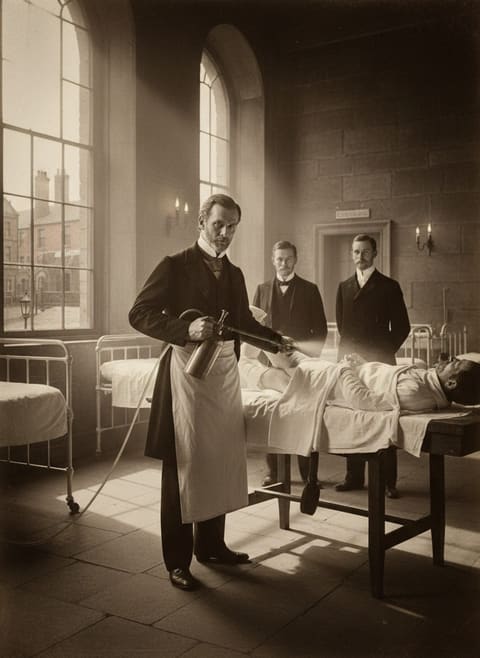
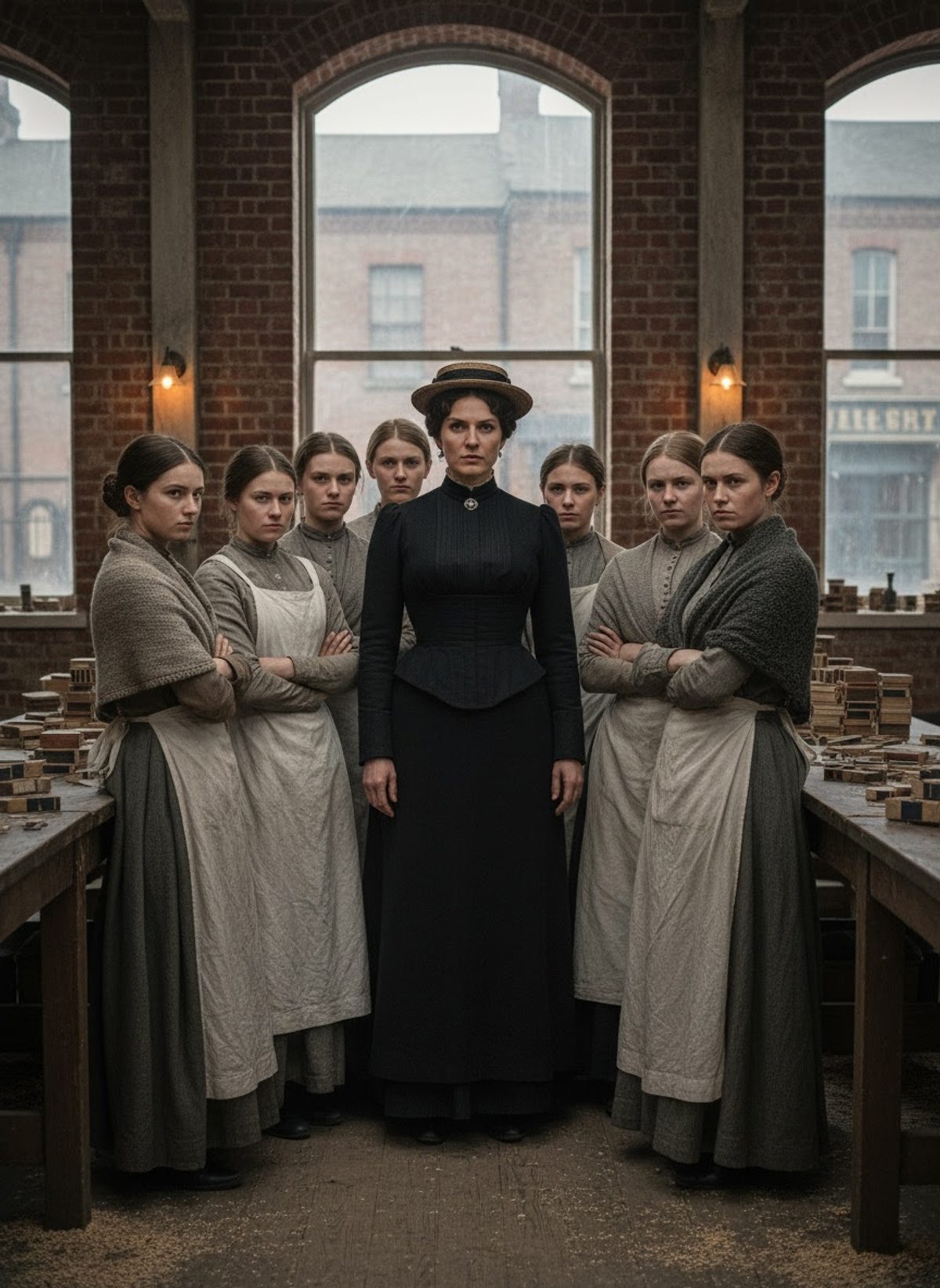
The Victorian era, with all its innovation and progress, had a darker side often glossed over. In the East End of London, the Bryant and May match factory was a beacon of industry, employing around 1,400 girls and young women. Yet, underneath this veneer of progress was an underbelly of exploitation and peril. The factory girls labored under extreme conditions — fourteen-hour days and paltry wages, in air thick with white phosphorus fumes that rotted teeth and jaws.
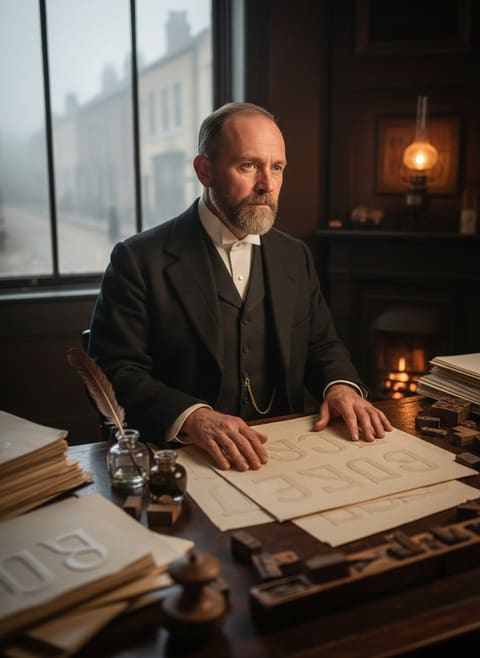
Annie Besant, a trailblazing journalist and social reformer, found herself listening intently in the summer of 1888. Before her sat a teenage match girl, her story stark, her eyes hollow with fatigue and distrust. The girl's testimony painted a harrowing picture of life under Bryant and May's factory roof. The phosphorus poisoning they called "phossy jaw" wasn't just a medical term — it was a tangible menace, the smell of decay in every breath she took.
The labor at Bryant and May, depicted as a pillar of economic might, masked a brutal reality. Every day, the factory girls risked their health, their sacrifices unacknowledged. Besant could have chosen silence, but the story she penned shed light on the toxic smokescreen enveloping these young women. The girls, unseen and unheard, finally gained a voice with Besant's article, "White Slavery in London."
Read next: The Lido That a Seaside Town Built to Beat the Depression
The Rising Storm
With the publication of her article, Annie Besant did more than just report — she ignited a firestorm. Bryant and May, incensed by the exposure, threatened Besant with legal action, a bold but futile attempt to suppress the voices of those they'd long silenced. However, the match girls, having tasted the strength of solidarity, would not be deterred.
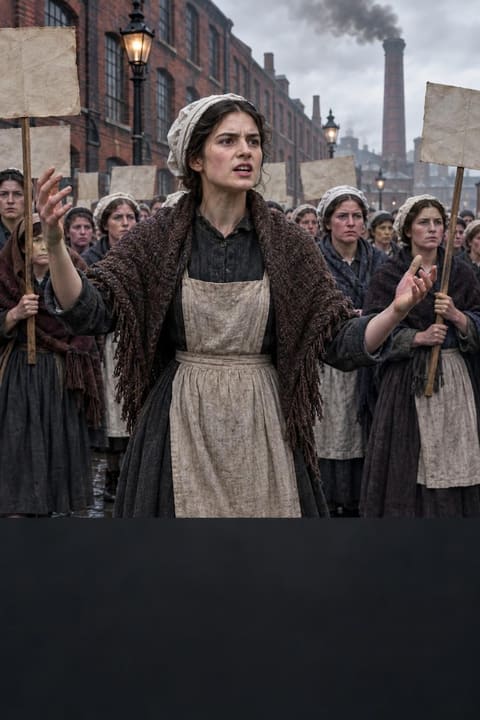
It was one thing to have their story printed; it was quite another to take direct action. Against the backdrop of late Victorian London's mist-laden streets, whispers became words, and words burgeoned into a unified cry for justice. A decision took shape amongst the girls, snaking through the ranks, fueled by a shared defiance. In an act of unprecedented bravery, all 1,400 workers walked out of Bryant and May factory, thrusting their individual stories into the public consciousness.
The walkout was more than a strike; it was a powerful statement from the marginalized classes. Together, the match girls took steps no one anticipated, and the ensuing days became a whirlwind of meetings and negotiations. They secured the attention not just of London, but of the nation, their plight a bright flare against the dark silhouette of industrial Britain.
A City Awoken
The response to the strike was as immense as it was unexpected. What began as a desperate act of rebellion blossomed into a public movement. Figures like George Bernard Shaw and the Fabian Society offered their aid, amplifying the girls' demands for improved conditions and fair pay. While media outlets were quick to report on the drama unfolding, public sentiment shifted towards these symbols of industrial Britain’s unspoken woes.
Read next: The Day a Deptford Surgeon Gave London's Poorest Free Medicine
The influence of the match girls' walkout rippled across the city, reaching all the way to Westminster. An investigation into the girls' grievances threatened to unravel the carefully spun narrative that the industrial titans had woven. New safety regulations were proposed, reflecting a growing awareness and a daring call for change. Breathless reports described meetings where the girls spoke with a newfound authority, no longer constrained by fear or factory walls.
What was remarkable was not just the change in conditions that followed, but the awakening of a wider social conscience. The emancipation of these young women became a symbol; the air of possibility seemed to electric over London, stirring energies unforeseen.
The Echoes of Courage
The match girls’ strike of 1888, though rooted in a grim reality, became an emblem of hope and determination. It highlighted an emergent shift in societal values — one where the working class, often overlooked, could stand united and effect change. Though the strike targeted a specific injustice, its reverberations inspired broader movements, from labor reforms to gender rights, that echoed throughout British society for decades to come.
Their legacy is more than shared history; it's a living memory of resistance and the power of collective action. It reminds us of the often untold struggles that sideline discussions of industrial triumph. Today, the match girls of Bryant and May linger in the edges of history, their voices a lesson on the capacity for courage to ignite change, one spark at a time.