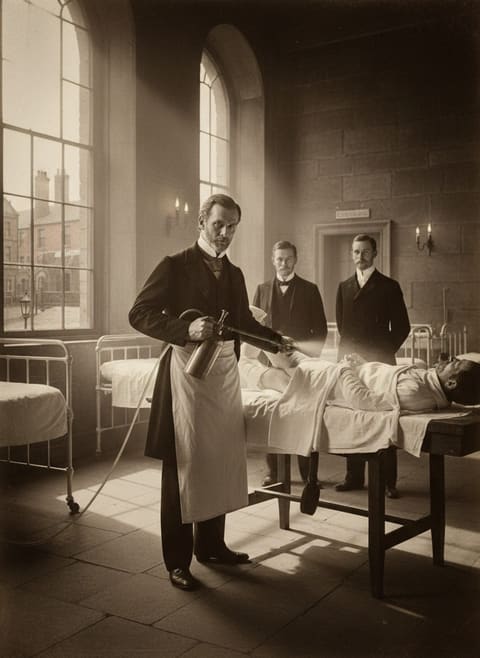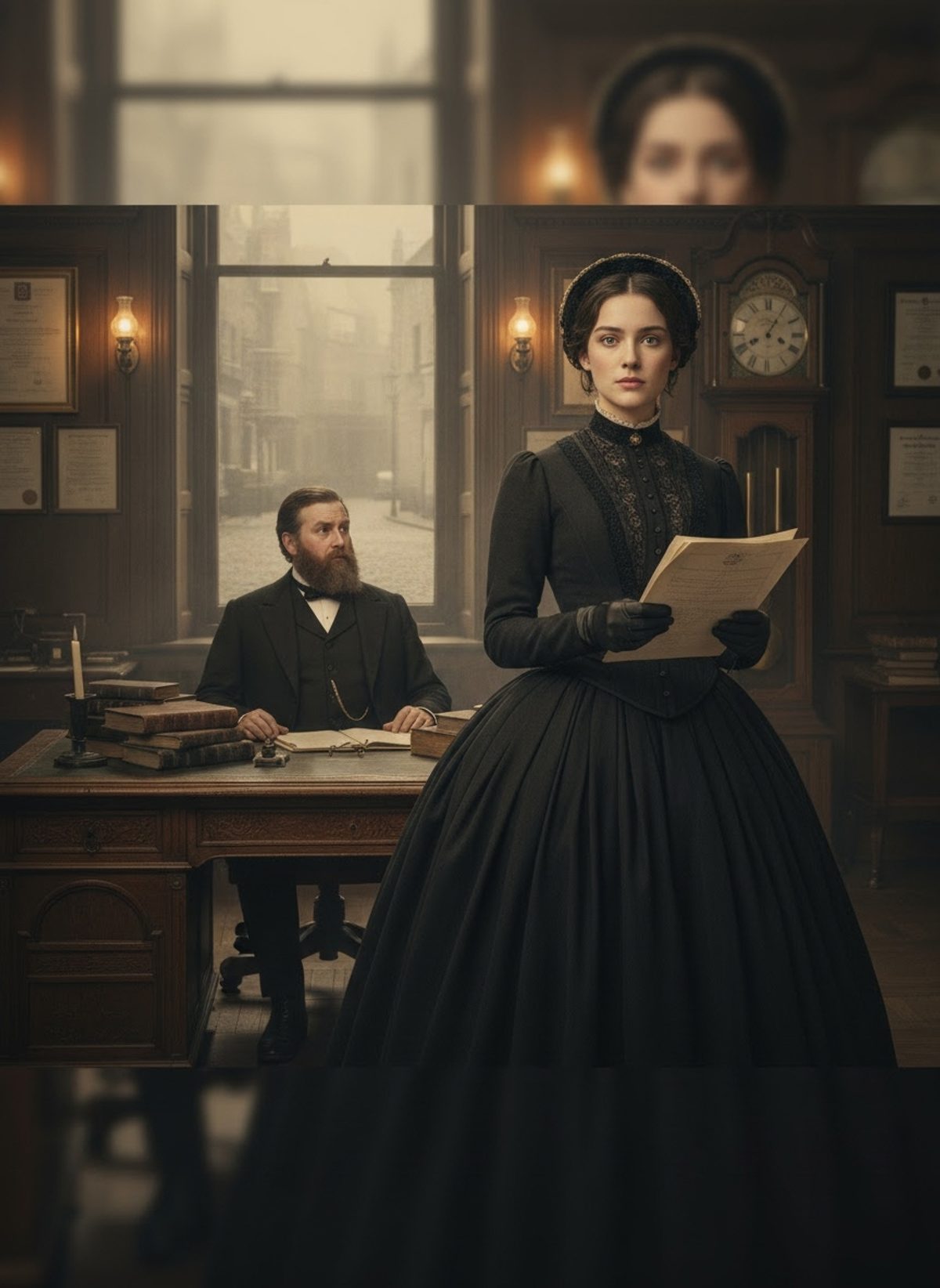
The doors of British medicine were shut to women. But Elizabeth Garrett Anderson found her own way through the barriers.
Rejection Meets Determination
In 1865, the landscape of British medicine was a venerable fortress, fortified with traditions and biases that barred women from entering. Elizabeth Garrett Anderson, however, was unfazed by the walls towering around her dream of becoming a physician. Every medical school in England had turned her away—a disappointing reality for many, but not a deterrent for Elizabeth. She was armed not with a scalpel, but with indomitable determination.
With no formal path to follow, Elizabeth embarked on an unorthodox route, engaging private tutors and enrolling in individual courses at the University of St Andrews and the Middlesex Hospital. Her persistence was both her sword and shield, chipping away at the institutional barriers. She applied tirelessly, facing a flurry of rejections that could quench the spirit of any lesser pioneer. But Elizabeth Garrett Anderson was an extraordinary exception, her resolve as unyielding as the institutions she sought to penetrate.
The Triumph in London
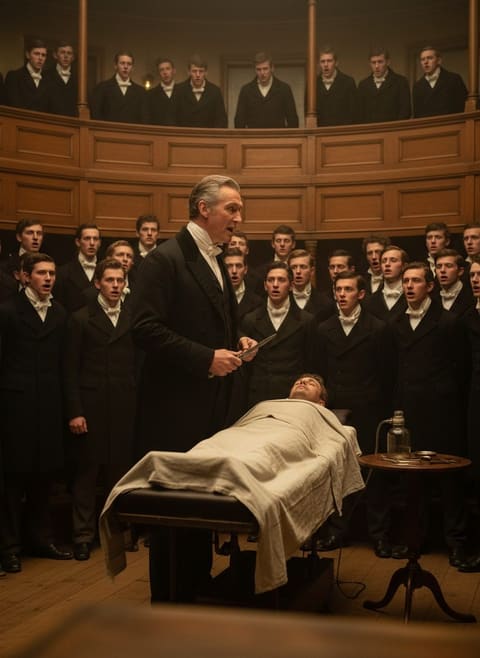
The Society of Apothecaries in London had no specific rules against women taking its qualifying exam. Spotting this loophole, Elizabeth Garrett Anderson grasped the opportunity. The examination venue was a solemn hall, filled with the tension of tradition and the air of exclusivity. Her presence was like a ripple in the calm, defined by the male hegemony of the time.
Read next: Marian Anderson Was Banned. She Sang to 75,000 Instead.
Against considerable odds, Elizabeth filled her paper with deft strokes of knowledge and skill, each answer dismantling another layer of doubt surrounding women's capabilities. Her success was not just personal; it was a seismic shift that rattled the foundation of an institution steadfast in its exclusion. When the results were unveiled, she had passed—an achievement that reverberated through the corridors of medical history.
The victory was bittersweet. The Society of Apothecaries promptly amended their regulations, ensuring that no woman would chance upon the same loophole. Yet this setback only served to stoke the fires of Elizabeth's ambition. She had tasted the victory that few women of her era could even fathom.
A Hospital of Her Own
Unwilling to let closed doors determine her fate, Elizabeth took her vision to the heart of Marylebone, London. Here, she established the St Mary's Dispensary for Women and Children, an institution dedicated to those who had long been overlooked by conventional medicine. The dispensary was more than a beacon of hope; it was a crucible of change.
The halls of St Mary's thronged with women previously resigned to the role of observers in a man's world of medicine. Here they were active participants, beneficiaries of Elizabeth's pioneering spirit. The dispensary evolved, growing in stature and influence, eventually transforming into the New Hospital for Women. Its existence declared that women had a formidable place not just in the waiting rooms, but in the examination rooms, too.
Read next: The day Richard Burton disguised himself as a Muslim pilgrim to reach Mecca
Elizabeth Garrett Anderson not only crafted opportunities for herself; she painstakingly laid the groundwork for future generations of women who would dare to wear the physician's coat. Her indomitable spirit and deft maneuvering around societal constraints inspired a wave of aspiring female doctors. Not long after her, other women would follow, treading paths made smoother by her courage and tenacity.
The Ripple of Change
Elizabeth Garrett Anderson's story is a chronicle of persistence and audacity in the face of steadfast tradition. It challenges us to question the barriers that persist in every era and reminds us that the fight for equity is ongoing. Her journey from rejected hopeful to pioneering physician is not merely a tale of Victorian determination. It underscores the importance of breaking down institutional walls—not just finding loopholes.
In today's world, where the dialogue around gender in STEM fields continues to evolve, Anderson's legacy is a potent reminder that the progress we laud is built on the silent, relentless efforts of those like her.
It's a story of tenacity that urges us to reconsider the barriers we still face and to fight with the same quiet resolve to widen the path for those who follow. Elizabeth Garrett Anderson did more than make history; she challenged the very fabric of her society and, in doing so, left a legacy we continue to draw upon in our strides toward medical inclusivity.