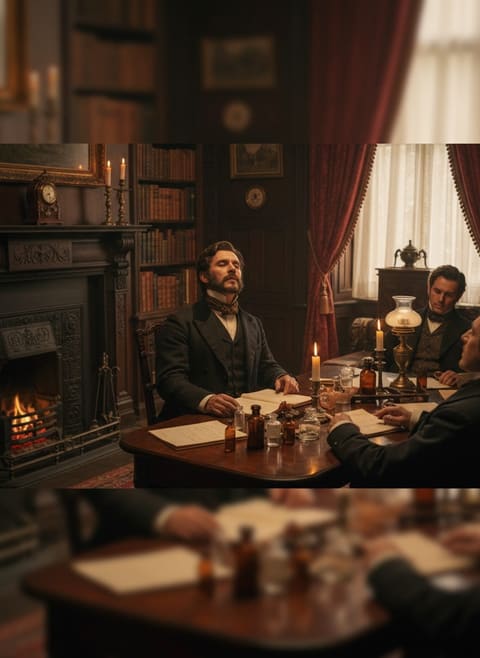
1832. A pale dawn broke over London, gently illuminating the cobblestone streets, which echoed with the cries of market traders setting up their stalls.
The Invisible Children of the Industrial Revolution
The bustling streets of London in 1832 were a testament to the burgeoning might of the Industrial Revolution. The ever-expanding factories and mills, with their towering smoke stacks casting long shadows on the city's tenements, were engines of economic power. But behind this prosperity lay a darker story, one that was hidden in the noise of machinery and the bustling crowds. It was the story of child labor, a grim reality for many young souls who toiled unseen in the bowels of progress.
Among those children was Robert Blincoe, whose tale would come to embody the harsh truths of an industrial society indifferent to the smallest of its citizens. Blincoe was not just one child among many; he was a voice that pierced through the cacophony of denial, revealing the lives of countless children who were subjected to conditions that defied the imagination.
The Reluctant Witness
In the maze-like confines of the factories where little light reached, Robert Blincoe began his life of labor at a tender age. His world revolved around the relentless rhythm of the cotton mill, a place where time was marked by the thunderous roar of looms and the clatter of machinery. Yet, it was not until March of 1832 that fate delivered him a chance to speak beyond the confines of industry.
Read next: The Day a Surgeon's Son Chose Death Over Silence
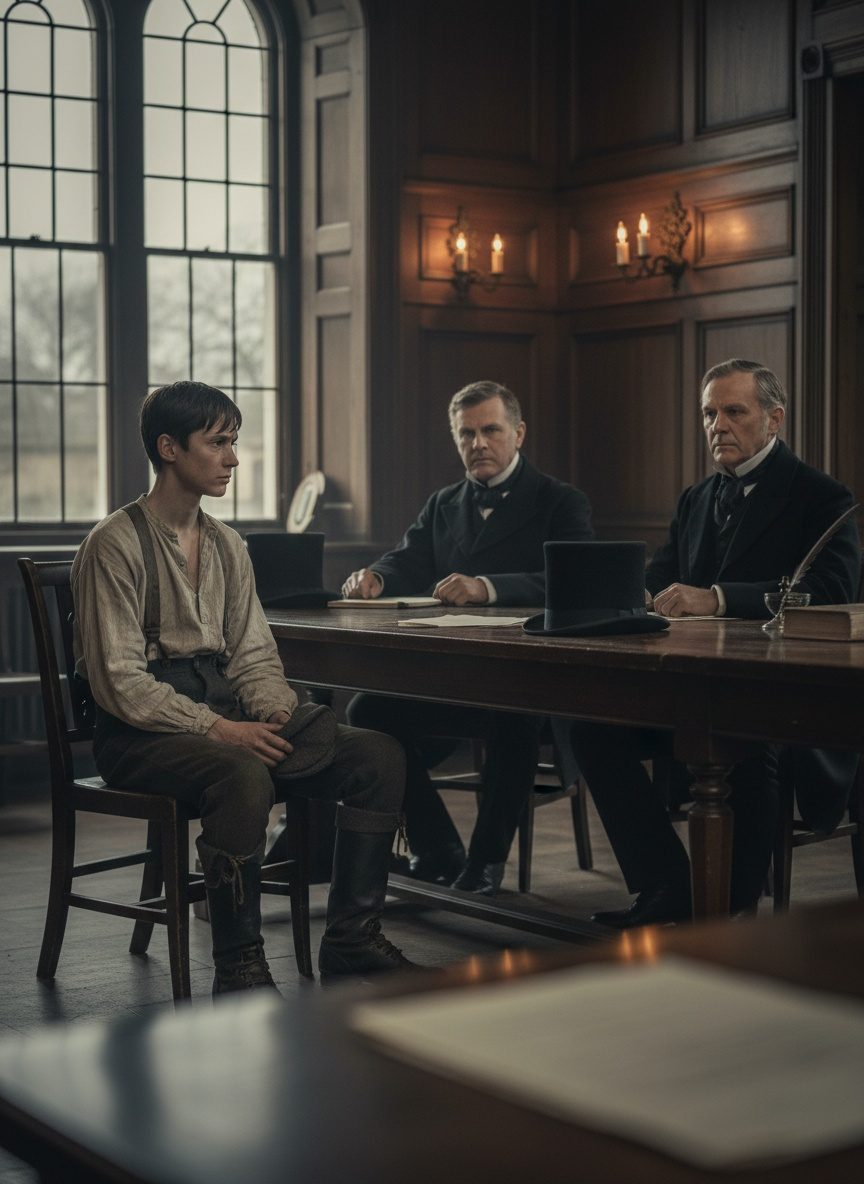
On that day, Blincoe stood before a Parliamentary commissioner as part of a larger investigation into child labor. Ten years old, yet aged by adversity, he recounted the treacherous conditions of the mill with a clarity that belied his years. His voice, though young, carried the weight of many others like him—children who were little more than invisible cogs in the vast machines of Britain's economic might.
Testimony of Truth
As Blincoe spoke, his words sketched a vivid picture of life inside the mills. There, children were often treated with cruel indifference, forced to manage tasks meant for older hands. They endured long hours with scant breaks, their small bodies battling exhaustion in poorly ventilated workspaces where injuries were frequent. If their performance waned, they faced beatings, their cries swallowed by the relentless clamor of machinery.
Blincoe's testimony rendered a stark reality that could not be ignored. His recollection of hunger, deprivation, and relentless bells that dictated every waking moment was a clarion call sparking empathy among those who heard it. For the first time, the plight of these children was placed in a harsh light that exposed the moral failings of a nation.
A Nation’s Conscience Awakened
The gravity of Blincoe’s account reverberated through the halls of Parliament and beyond, awakening a societal conscience long numbed to the cries from the factories. His testimony became a catalyst, igniting public outrage and laying the groundwork for legislative change. It highlighted the need for a reevaluation of the rights of children and laborers, compelling leaders to take a stand against the brutal treatment that was woven into the fabric of industry life.
Read next: The Day a Chimney Sweep's Son Shamed a Whole Parliament
The ramifications of Blincoe's words were felt outside parliamentary chambers. Wider public discourse began to shift, as newspapers and other platforms chronicled the dreadful realities that had long been pushed to the peripheries of awareness. The clamoring for reform grew stronger, echoing the urgency of a ten-year-old’s earnest truth.
The Seeds of Reform
Although change did not arrive overnight, Robert Blincoe's testimony in 1832 sowed the initial seeds for future reform. His honesty and bravery underscored the need for laws that would not be fully realized until much later but nonetheless marked the beginnings of an era of reform and consciousness. The Factory Acts, which later emerged, started making inroads into creating safer and fairer conditions for child laborers, offering a glimmer of hope amid the cold structures of industrial labor.
Robert Blincoe’s story, his voice raised in defense of others like him, is a reminder of the power held by those society often overlooks. His testimony showed that truth, courage, and perseverance could disrupt the most formidable of machines. It emphasizes the enduring impact of individual voices in shaping collective futures, urging us to listen and learn from those who dare to speak out, no matter how small they may seem.