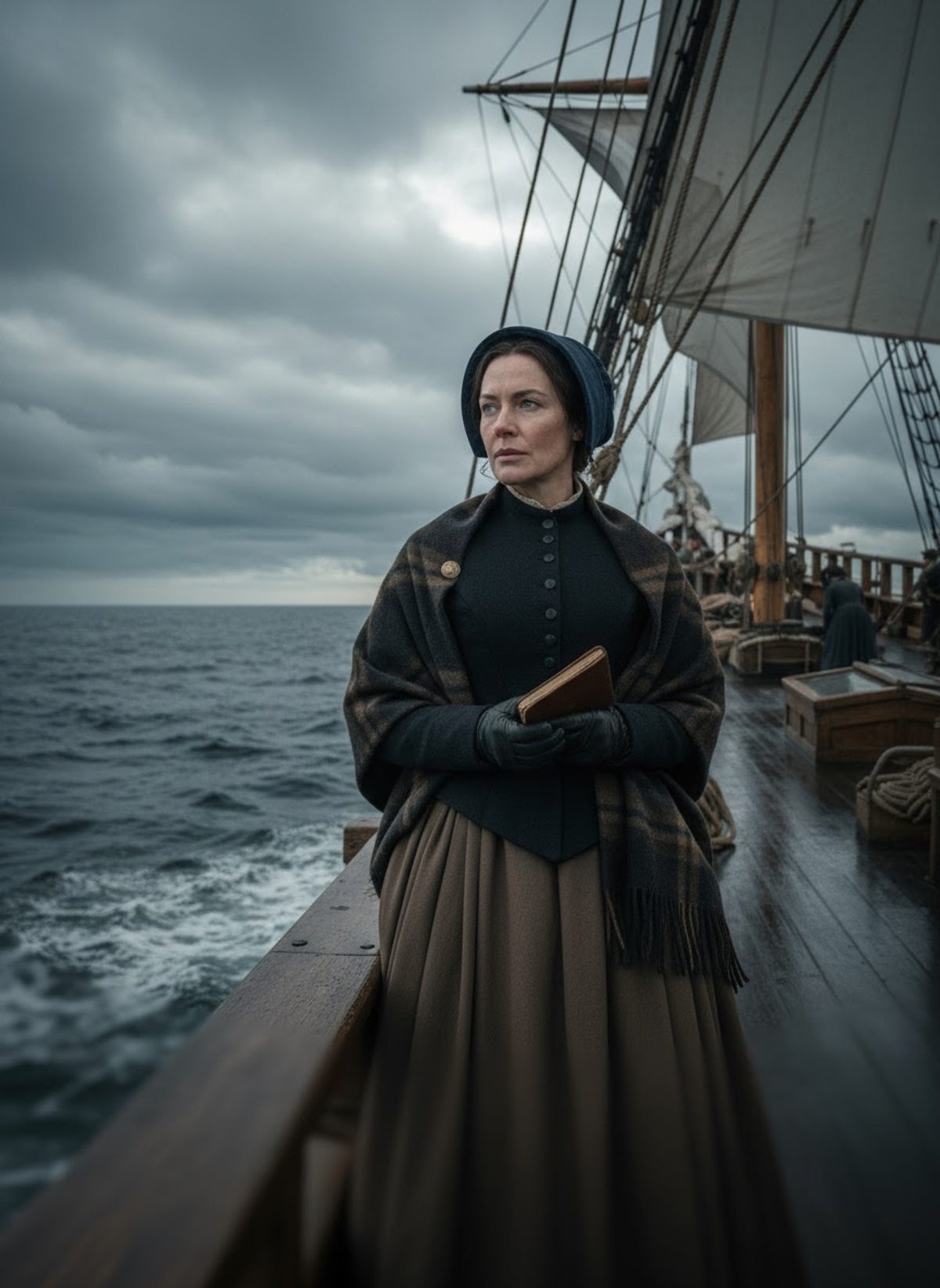
April 27, 1846. The bustling port of London teemed with activity as ships prepared for voyages to known lands and beyond. Amidst the cacophony of dockworkers and seagulls, a singularly unusual departure was about to take place. A middle-aged woman, clad in modest yet sturdy travel attire, prepared to embark on a journey that would challenge the very fabric of Victorian society's expectations.
Setting Sail Against the Current
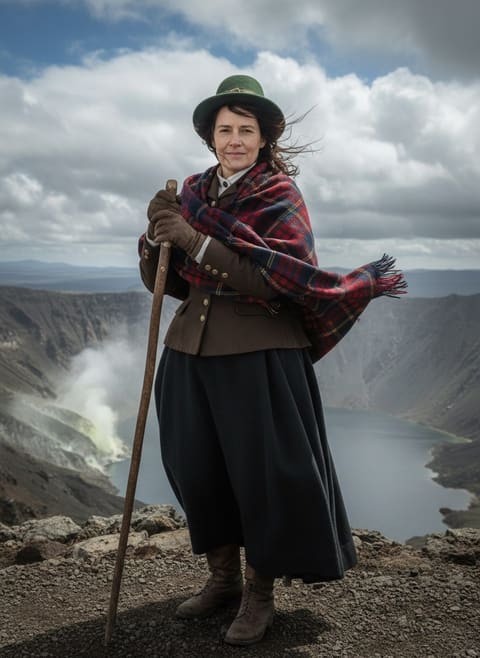
Ida Pfeiffer was no ordinary voyager. At 48, she defied the conventions of her time, stepping aboard a ship destined for Iceland—a place largely untouched by travelers, particularly women. Decades before her journey, most women were constrained by societal norms that confined them to their homes and families.
However, Pfeiffer dared to break free from these shackles. A widow from Vienna, she had no title or patron to underwrite her expedition and marched to her own drumbeat. Her courage and determination were extraordinary.
Born in Vienna in 1797, Ida spent much of her life constrained by the expectations of a patriarchal culture. A formative journey to Italy with her father at the tender age of five planted the seeds of wanderlust in her. Yet it wasn't until the middle of the 19th century, after her children were grown and her husband had passed, that she answered the call of the unknown, deciding to explore where few women had before. Her first destination: Iceland.
Read next: The Day Mungo Park Set Sail Down the Niger Alone
An eruptive land of geysers and glaciers, Iceland was a world away from the parlor rooms of Vienna. The voyage was fraught with rough seas, but Pfeiffer's determined spirit guided her through. As she stepped onto Icelandic soil, she not only conquered the literal landscape but the metaphorical peaks of societal expectations. Her writings from this journey captured the mystique of the natural world, attracting the fascination of European readers eager for tales of adventure.
Circumnavigating the Globe with a Compass and Pen
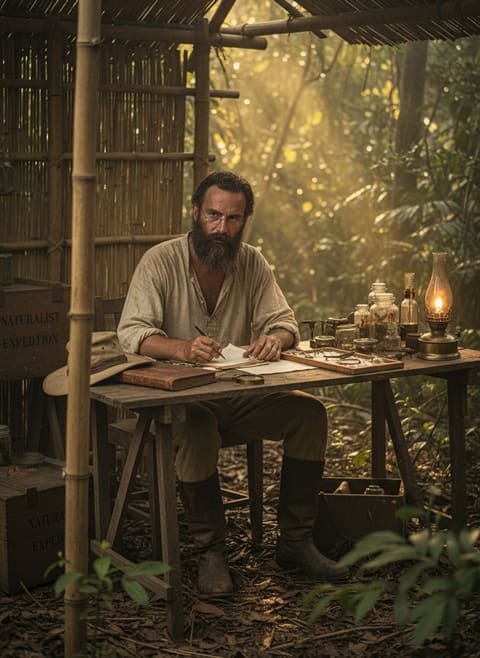
After Iceland, Pfeiffer pressed onward. Her insatiable curiosity and love for natural wonders led her to South America, India, and beyond. She traversed regions most Victorians had only read about—yet she chronicled each step with meticulous detail and vivid storytelling.
This wasn't just travel; it was exploration in its rawest form, without the safety nets of sponsors or leagues of professionals. She described toe-curling encounters with venomous creatures and the bizarre rituals of distant cultures, allowing her readers to feel the pulse of lands untouched by European Empires.
In 1846, without fanfare or trumpets to herald her departure, Pfeiffer circumnavigated the globe for the first time. Imagine the scenes she encountered: the towering peaks of Andes, the lush rice fields of Asia, and the vast expanse of African deserts. These were not mere destinations on a map; they were realms of uncharted history waiting for her pen to document.
Her second global odyssey only reasserted her courage and resilience. Along her travels, she examined ecological systems, spoke with indigenous peoples, and traced the nuances of a world on the cusp of modernity. Her work was not just about the places; it was about the crossroads of nature and humanity. Each letter home, each page of her future books was a testament to the power of curiosity and the ceaseless pursuit of knowledge.
Read next: The Day Matthew Flinders Charted a Continent From a Leaking Ship
Unseen Tribute Beyond Shores
When Ida Pfeiffer finally returned to Europe, she brought back more than stories; she brought a new perspective of the world. Her travels presented nature and culture as a delicate interconnected web, challenging the imperialist notion of conquest and dominion.
Although she never received the accolades accorded to male contemporaries, the Royal Geographical Society did what was previously unthinkable. They bestowed upon her a rare standing ovation, recognizing her contributions to the field of exploration—a field that had long been considered a male domain.
Pfeiffer's legacy is not in the lands she crossed, but the doors she opened. She showed future generations that adventure and discovery are not bound by gender or age. Her handwritten journals continue to inspire and intrigue, driving home an important truth: society's boundaries are often self-imposed, and real growth stems from questioning the impossible.
This tale of Ida Pfeiffer encapsulates much more than mere exploration. It speaks to the heart of human endeavor, illustrating that the limitations we perceive are sometimes only shadows cast by tradition. Pfeiffer's ventures beckon us to reflect: what are our maps waiting to be charted?