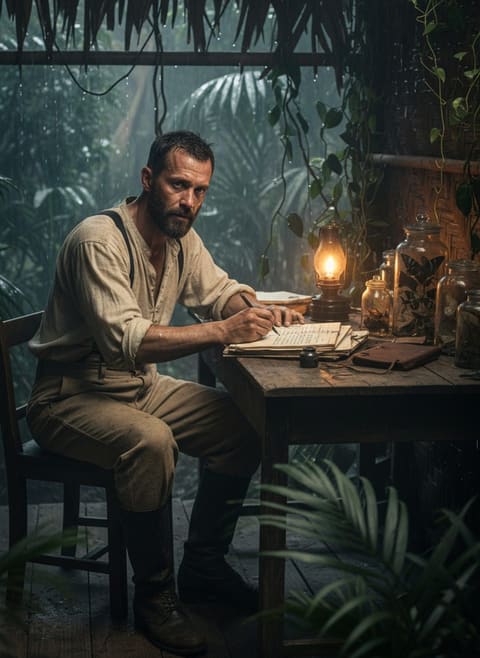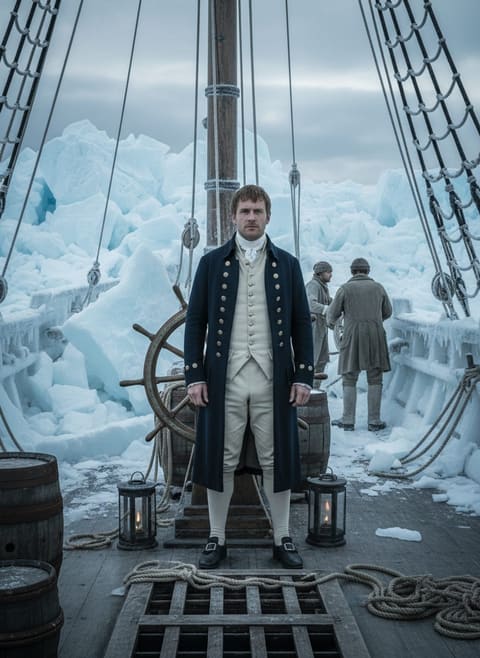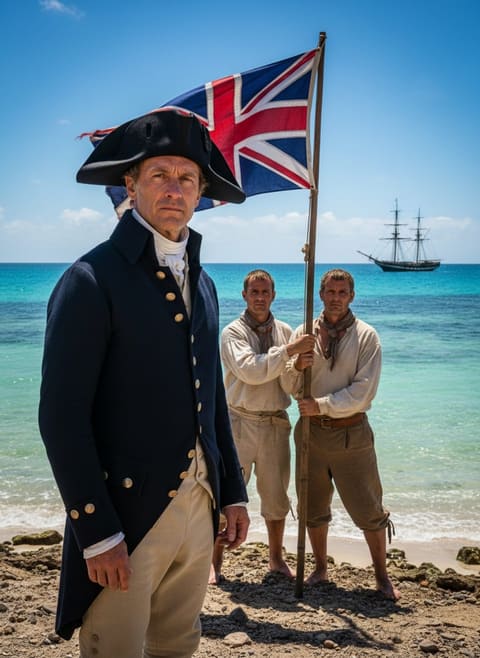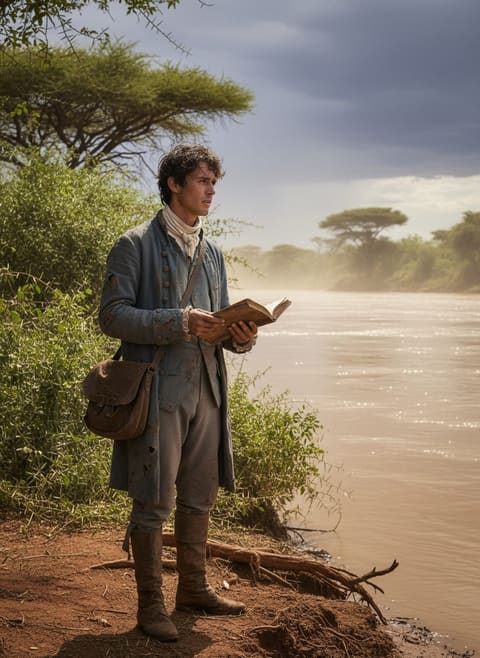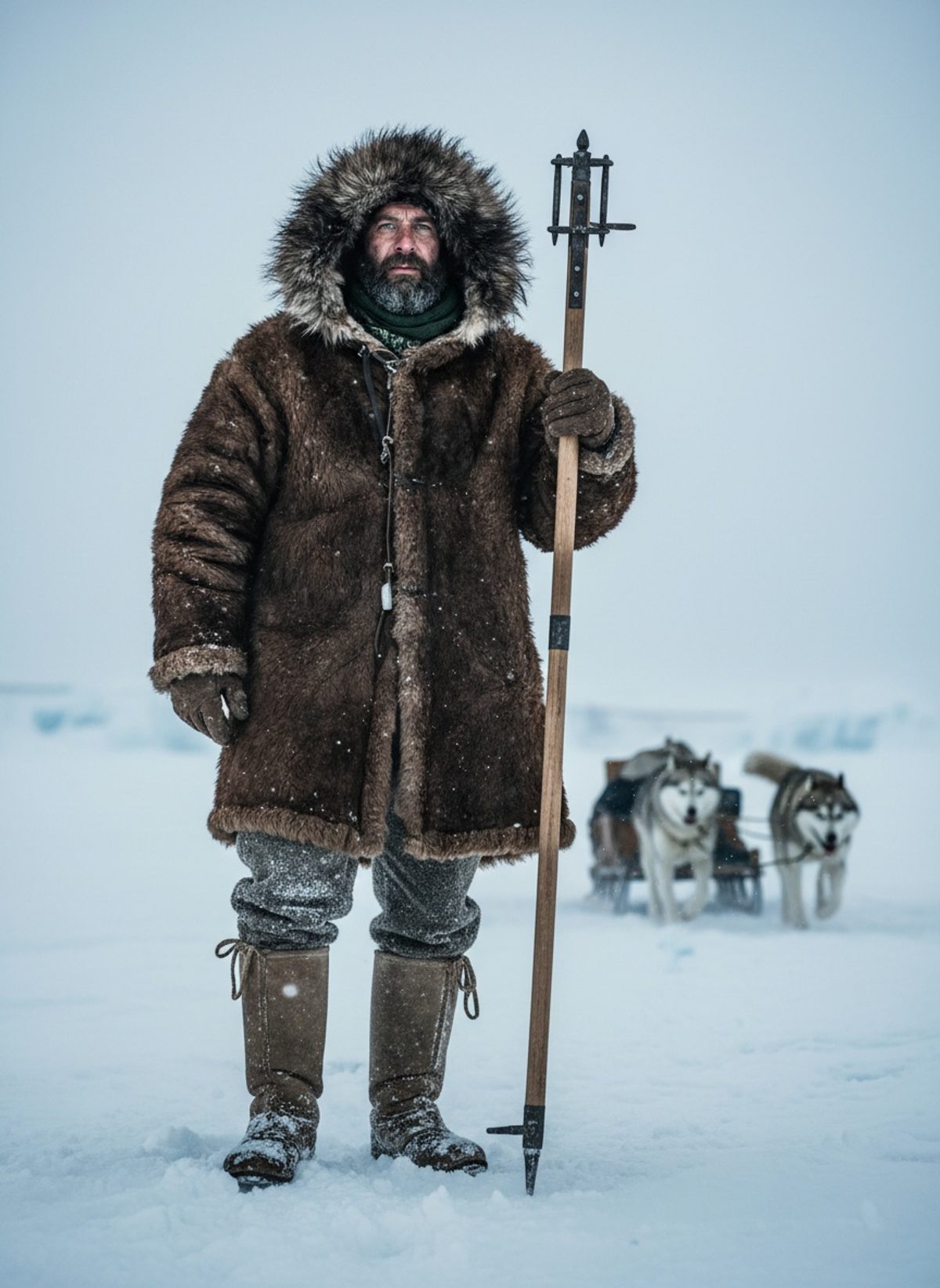
His footsteps vanished into the snow. A half-inch of frost clung to his beard as he trudged through the Arctic vastness. He was alone, yet John Rae's journey was about to change everything the British believed about their Empire's reach.
Charting the Unknown
In 1854, the Arctic was a frozen frontier, a blank slate waiting for explorers to draw their paths. The British Admiralty's prized polar expeditions had often aimed at securing the elusive Northwest Passage, a fabled sea route to the Pacific. But the Arctic was unyielding—forbidding expanses of white interspersed with deceptive leads of open water. Among those dispatched into this snowy expanse was John Rae, a Scotsman whose unassuming demeanor belied the audacity of his undertakings.
Unlike his contemporaries, Rae preferred snowshoes over heavily burdened sledges and relied on the land's offerings for sustenance. This approach was revolutionary. Others saw the Arctic as a battle to be won; Rae viewed it as a partner in survival. Rarely did he meet others on his lone explorations, yet it was this intimate understanding of the terrain that positioned him not just to survive, but to thrive where others faltered.
Through blizzards and biting winds, Rae traversed 1,000 miles in this manner. And his journey brought him in contact with the Inuit, whose understanding of the Arctic was unparalleled. From them, Rae learned not just survival tactics, but the chilling fate of another quest: the Franklin expedition, which had vanished into the ice, leaving the British public eager for resolution.
Read next: The Day a Norfolk Captain Mapped the Edge of Antarctica
The Unwelcome Truth
While Rae was hailed as a timely figure in solving one of Britain's great maritime mysteries, the news he brought home was far from welcome. As the snow settled around Rae, so did stories from the Inuit about the doomed Franklin expedition. The image of heroic perseverance gave way to harrowing tales of starvation and, shockingly, cannibalism. Rae's report, buttressed by the evidence he gathered, contradicted the romanticized narrative of noble sacrifice.
Instead, his findings suggested grim desperation: a truth the Admiralty was loath to reconcile with its image of British valor. The Victorian era was replete with legends of heroism cast in the mold of classical antiquity, and the notion that British sailors had broken such mold was unthinkable to society's upper echelons. Yet, Rae stood firm by the Inuit accounts and reiterated what he had heard and found.
In a time when imperial ambitions were glorified, Rae's revelations became a crash against the shores of idealism. For daring to speak what the Arctic had whispered to him, Rae was met not with praise, but disdain. The Admiralty, incredulous and affronted, diverted accolades and reward money away from Rae, funneling them instead to those who told more palatable tales.
An Explorer's Insight
John Rae was a man ahead of his time. His methods were anathema to the prevailing imperial attitude that placed conquest over comprehension. Where others saw a blank, Rae saw a detailed map, and it was upon those snowswept expanses that he etched his own tale of endurance and discovery. Rae's interactions with the Inuit exemplified not just his pragmatism but his respect for indigenous knowledge—a consideration largely unheard of among his peers.
Read next: The Day a Devon Sailor Charted a Continent From the Sea
Rae’s detractors favored pomp and grandeur over efficiency and humility. Rae's quiet insistence on practical attire, portable diet, and local wisdom meant fewer supplies could sustain him far longer than convention would have permitted. He journeyed lightly, metaphorically and literally, relying on the Arctic's bounties like its indigenous peoples had for millennia.
But what Rae's critics could not see—and what perhaps still eludes many—was the profound understanding he gained. This was not just the cartographer's knowledge of land and ice but the empathy of a man who saw beyond imperial ambition to the ways in which different peoples survived and thrived.
Why This Story Matters
In an era when discoveries often came cloaked in glory, John Rae stood apart as a figure who exemplified truth over admiration. His story reminds us that exploration is as much an internal journey as it is external—an endeavor requiring respect for the landscapes and peoples encountered along the way. Rae’s recognition of the Inuit’s contributions was landmark; in an imperial age, he acknowledged the wisdom outside of Britain’s shores and championed it back home, even when it meant personal sacrifice.
The response to Rae's findings reflects tensions we recognize even today, where inconvenient truths struggle against cherished myths. Yet, as time reveals the full breadth of history's map, John Rae's winter walk remains etched in polar memory—a narrative of pioneering humanity in the pursuit of harsh, unvarnished truth.