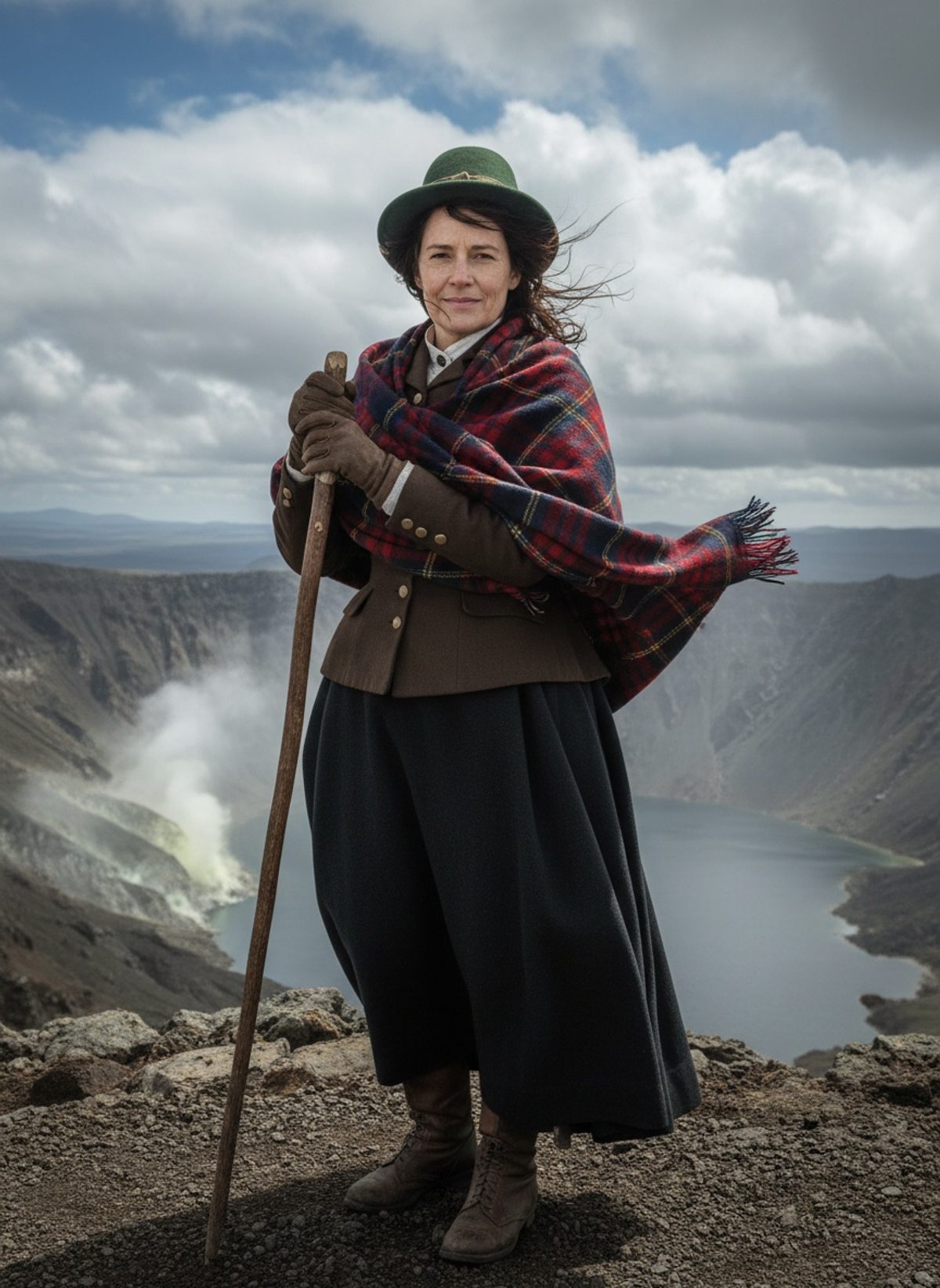
She was forty-two and considered too fragile to sit up for long periods. Yet, Isabella Bird climbed a volcano alone.
Daring Dreams from a Victorian Bed
The mid-1800s was not an age known for accommodating adventurous women, especially those labeled invalids. Yet Isabella Bird, a clergyman's daughter from Yorkshire, possessed an indomitable spirit that transcended the restrictive labels society placed upon her. Told repeatedly by doctors that she was too frail for the rigors of life beyond her home, she nonetheless yearned for adventure, her curiosity unbounded by the sickbed that sought to confine her.
By 1873, facing her forty-second year, this "delicate" woman decided to chart her own course. Bird boarded a ship bound for the Hawaiian Islands, a daring leap into the unknown. Her destination was as exotic and remote as it was perilous—her ultimate goal, the summit of Mauna Loa, an active volcano seen by very few from afar, let alone up close.
But for Bird, convention was an ill-fitting suit. In an era when Victorian women were admonished to stay within drawing rooms, Bird's heart beat for the wild outback and the crest of volcanic summits.
Read next: The Day a Welsh Naturalist Mapped the Roof of the World
The Volcano Nobody Believed She Could Climb
Bird arrived in the Hawaiian Islands, a land adorned with stunning natural tapestries yet ridden with dangerous terrains. Her mission to climb Mauna Loa was considered by many as foolhardy, if not suicidal. The trek was formidable, demanding physical endurance and mental fortitude to summit a peak that stood tall among the world's highest.
The climb itself was not simply a physical endeavor—it was a testament to perseverance. Bird faced challenges that would give any experienced adventurer pause: the unforgiving lava fields that sprawled across the landscape, unpredictable weather patterns, and the oppressive thinness of air snatching breath from her lips. Yet the challenges were no match for Bird's unyielding resolve.
With each step, she defied the constraints imposed by her gender and health. Bird's progress was slow but steady, her determination a silent ripple against the universe's seemingly immovable force. To climb Mauna Loa was to navigate a plane where the earth seemed to merge with the heavens—a sensation Bird captured in the poetic musings of her writings.
Beyond the Volcano: Across the Frozen Rockies
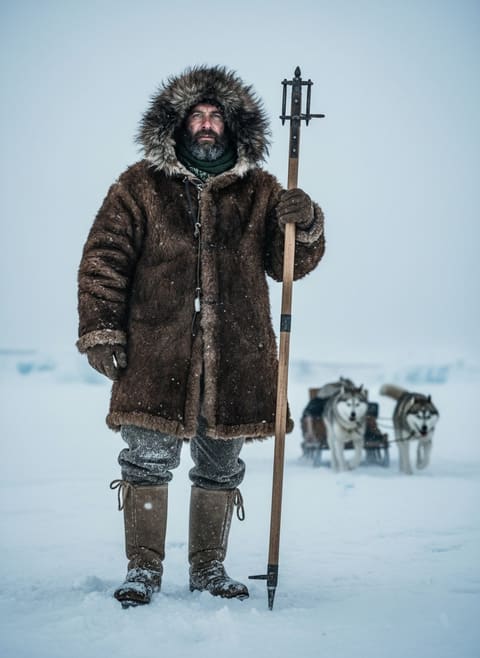
Fresh from her triumph at Mauna Loa, Bird's adventurous spirit proved to be inexorable. Her explorations led her next to the Rocky Mountains, a vast expanse of mesmerizing peaks that tempted adventurers to test their mettle. The Rockies in winter were a different beast. Snow blanketed the ground in a thick, white expanse, hiding concealed dangers that only the most seasoned travelers could anticipate.
Yet, Bird ventured forth, battling bitter winds and temperatures that would discourage even the hardiest of souls. Her journey through this wild, untamed landscape was not just a physical traverse, it was a passage through her inner landscape as well. Bird rode across desolate mountain passes, snowflakes settling on her, cold chilling even the depths of her bones.
Her lone passage was more than an exhibition of tenacity. It was an assertion of autonomy in an era that relegated women to the periphery. Each mile she covered was a defiant echo through the corridors of time, challenging any who encountered her story to rethink their assumptions about gender, strength, and capability.
A Woman Alone in the Wilderness
Throughout her journey, Bird documented her experiences in meticulous detail, her writings capturing the majesty and trepidation of the world she traversed. Her descriptions brought to life the roaring winds of the Rockies, the solitude of the snow-draped landscape, and the awe-inspiring beauty of the Hawaiian vistas.
Read next: The Day a Scots Doctor Walked Into the Niger and Vanished
Bird's accounts were not merely diaries but served as profound narratives that opened the minds of a restrained Victorian society. Her writings illuminated the landscapes she crossed, but more importantly, they illuminated the spirit of a woman who thrived where she was expected to wither. Her pen was an extension of her will, crafting stories that resonated far beyond the confines of her solitary adventures.
Isabella Bird's tales offered a unique glimpse into worlds that many readers would never witness firsthand, vicariously experiencing the thrill of a world untainted by the encroachment of civilization.
Why Isabella Bird's Story Matters
Isabella Bird's adventures were more than personal conquests; they were a declaration that the spirit of exploration was not confined by the physical or societal boundaries. She challenged the notions of her time, demonstrating that what was deemed the impossible could indeed be conquered. Her journeys remind us that courage exists in defiance of purported limitations, inviting us to reconsider the boundaries we impose upon ourselves.
In a world that often sidesteps untold stories and legends that lurched beyond the constraints of normal, Isabella Bird's daring escapade up the Hawaiian volcano underscores the tenacity of the human spirit. Her legacy is not just one of exploration, but a reminder of the relentless pursuit of possibility. In embracing the wilderness, she found not only new land but a new dimension of self—an untold testament to human resilience and imagination that echoes through time.