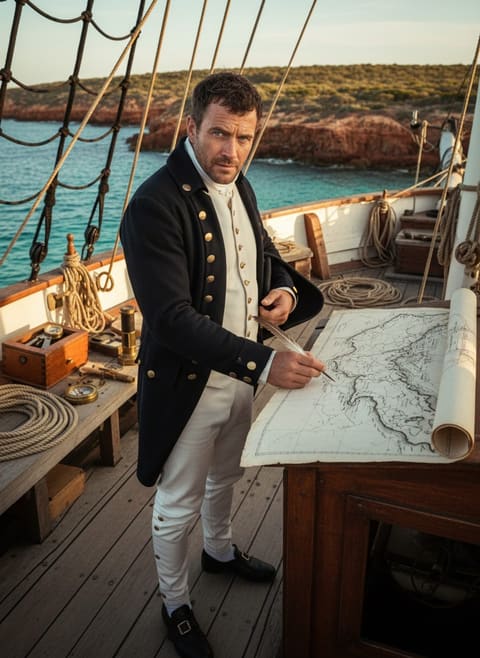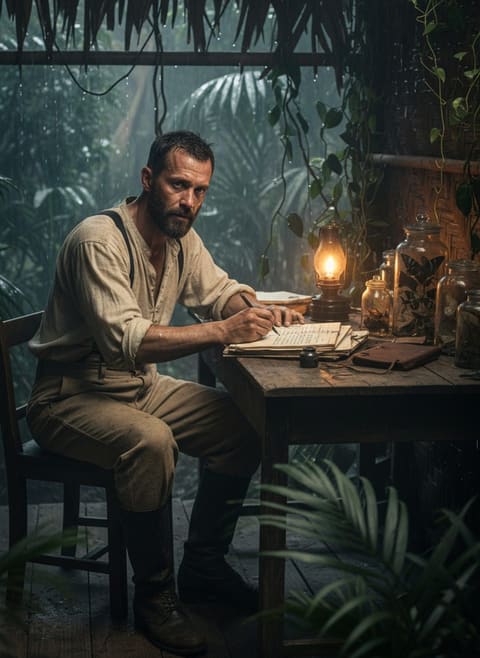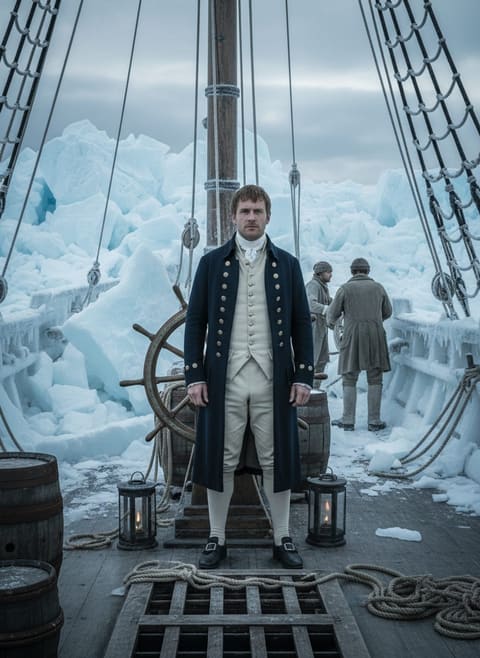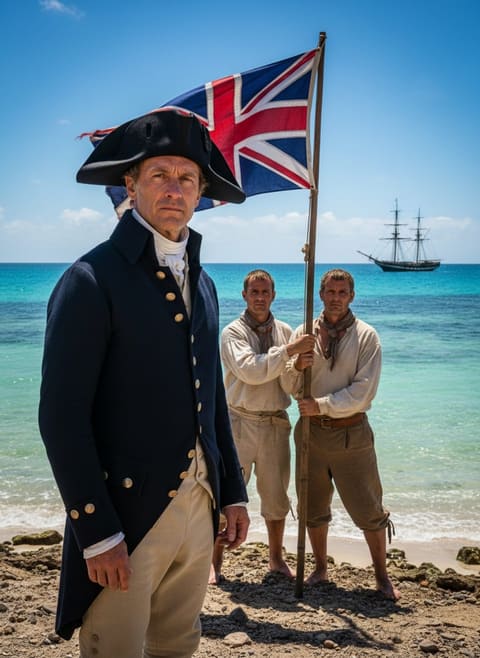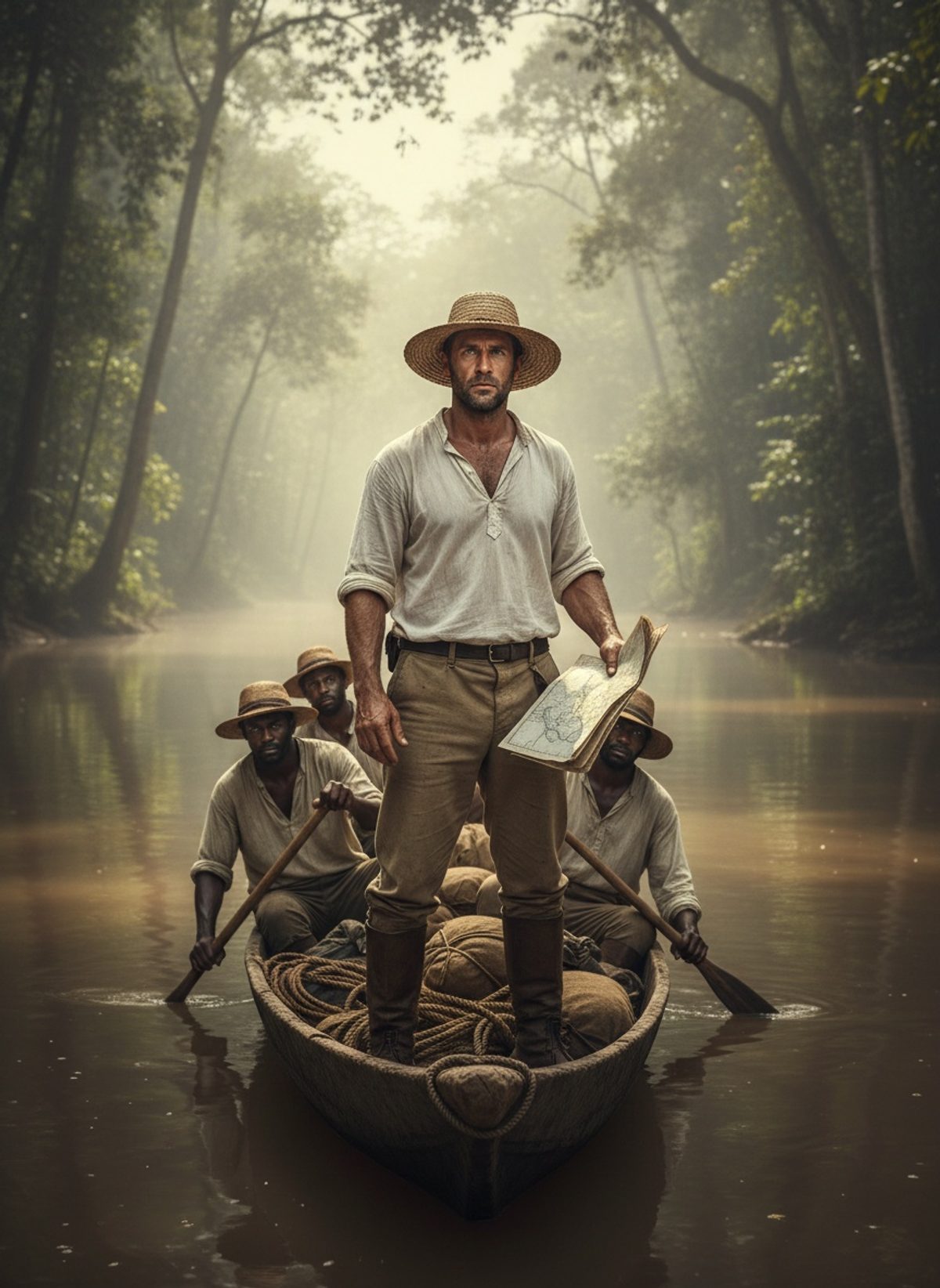
He never wanted to be famous. But fame found him when he traced the path of a river thought untraceable.
The Unsung Surgeon Turned Explorer
Mungo Park was anything but ordinary. Born the seventh of thirteen children in rural Scotland, his journey to becoming one of the most celebrated explorers of his era was as unlikely as it was extraordinary. Park wasn't born into privilege; his father was a tenant farmer, and his prospects were modest. Yet, through sheer determination and a knack for navigating unknown territories — both literally and figuratively — he placed himself among history's intrepid adventurers. At first glance, the image of a Scotsman charting the wild, unforgiving terrains of West Africa seemed implausible to his contemporaries, but Mungo Park embraced this destiny whole-heartedly.
Trained as a surgeon, Park's initial foray into exploration was almost accidental. In the late 18th century, he found himself aboard the "Worcester," a ship bound for Sumatra, where he observed natural phenomena during long voyages. These early experiences seeded his curiosity and distinctive resilience, demonstrating qualities that would later galvanize his ventures. However, the true turning point came when he volunteered for an expedition to trace the Niger River, a geographical enigma that eluded even the most seasoned navigators of the time. Thus began his legendary trek into the heart of Africa in 1795, unveiling the majestic waters that cut through untamed landscapes.
His first expedition yielded findings that captivated Britain. Park's accounts, rich with tales of African cultures, hostile encounters, and perilous journeys, painted vivid visual tapestries for his audience. His narratives ignited a burning interest in the African continent, transforming him inadvertently into a figure of international intrigue. Yet, beneath the surface of public adulation was Park's unquenchable desire to pursue the ever-alluring mystery of the Niger's full course. This relentless pursuit would lead him to embark on his second, and ultimately final, voyage in 1805.
Read next: The Day a Scots Surgeon Reached the End of the World
The Final Journey: Into the Heart of Mystery
By the time Mungo Park set out on his second expedition in 1805, his name had become synonymous with courage and discovery. However, if his first journey taught him anything, it was that fame could not shield him from the dangers that lurked within unfamiliar terrains. Undeterred by past hardships and failures, Park embarked with a crew of 45 men, whom he hoped would be his comrades in charting the enigmatic river delta. But the African interior was a formidable adversary; fever ravaged the ranks until only eleven remained — a testament to the severe and merciless landscape.
Navigating the perilous waters of the Niger was a feat few could even dream of undertaking. Park pushed his expedition forward, undeterred by the mounting list of lost comrades. They traversed rivers on canoes, with hostile riverbanks greeting them every step of the way. Reports of aggression from the local populations only added to the mounting pressure that wove peril into the very fabric of their journey. Despite the isolation and increasing odds against them, Park doggedly proceeded, a determined figure against a backdrop of surging currents and shadowy depths.
Within the folds of his travel journals echoed the hopes of a man on a singular mission. As they coursed deeper into the African wilds, Mungo Park penned his last correspondence to his family, unaware that fate had already inked its final chapter on his saga. This poignant letter — which surfaced later, eerily, in the pocket of a deceased party member — reinforced the bravery that defined Park’s efforts and illuminated an unyielding belief in his cause. The unsent letter became a haunting reminder of exploration’s cost.
Read next: The Day a Norfolk Captain Mapped the Edge of Antarctica
The Vanishing: Legacy and Enigma
Then silence. Britain, fervently awaiting further tales from Park’s daring expedition, was met with a disconcerting void. The man who danced as closely with death as with discovery had vanished into the pages of history with only fragmented accounts to mark his legacy. The once vibrant account of his travels now stood silent, an ellipsis of what could have been. The rich, fertile banks of the Niger had claimed not just a man, but the realization of a geographical dream so fervently sought by a nation.
In the years that followed, whispers of Park’s fate muddied the clarity of his final days. Speculation ranged from dramatic drowning to enigmatic capture by hostile forces. As the dust of time settled, Park's story forged a deeper fascination with the unknown, prompting others to tread similar paths, emboldened by the sacrifices of earlier explorers. Yet, despite the uncertainty enshrouding his final days, Park’s contributions to geographic knowledge were irrefutable. He had ventured where few dared, leaving behind an indelible mark on exploration and Western knowledge of Africa’s interior.
More than two centuries later, Mungo Park’s journey into obscurity remains a poignant narrative within the annals of discovery. It is a story of resolve against the mysterious and intangible, a silent homage to those who abandon comfort in the quest for uncovering the unseen. While silence echoes where his voice once narrated, the courage of this solitary Scots doctor remains a testament to human curiosity and the timeless quest to unravel nature’s secrets.