The Northeast Passage might sound like a sailor's folly. For Richard Chancellor, it was an irresistible call to adventure.
The Dream of Empire
The mid-16th century was a time when European nations were locked in a fierce competition to discover new trade routes. Spain and Portugal had mastered the seas to the south, inspiring England to look for opportunities elsewhere. Enter Richard Chancellor, a mariner and navigator who stepped into the ambitious plans of the Merchant Adventurers, a group keen on exploring new, untapped trade routes. Their eyes fell on the eerie, icy expanses of the Arctic.
The goal was audacious: a northeast passage through the Arctic seas, potentially yielding a shorter route to the riches of Asia and bypassing the well-trodden, dangerous southern routes dominated by rival powers. Chancellor, adept, ambitious, and undeterred by the challenges of unknown waters, was chosen to lead this enterprise. The stage was set for a journey that would thrust him into the annals of history, though not as anyone expected.
The Perils of the Arctic
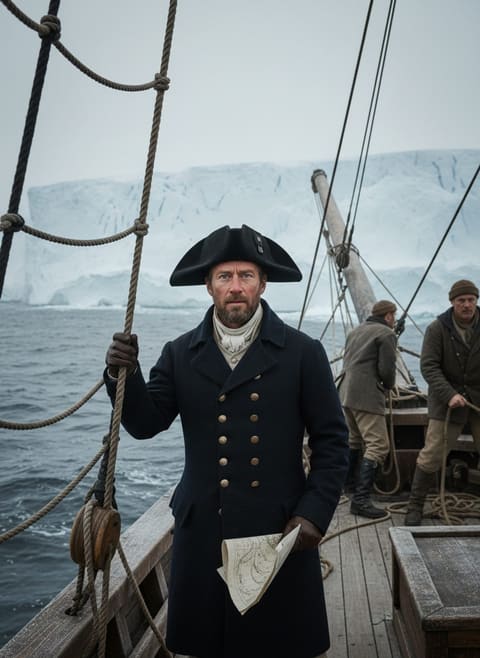
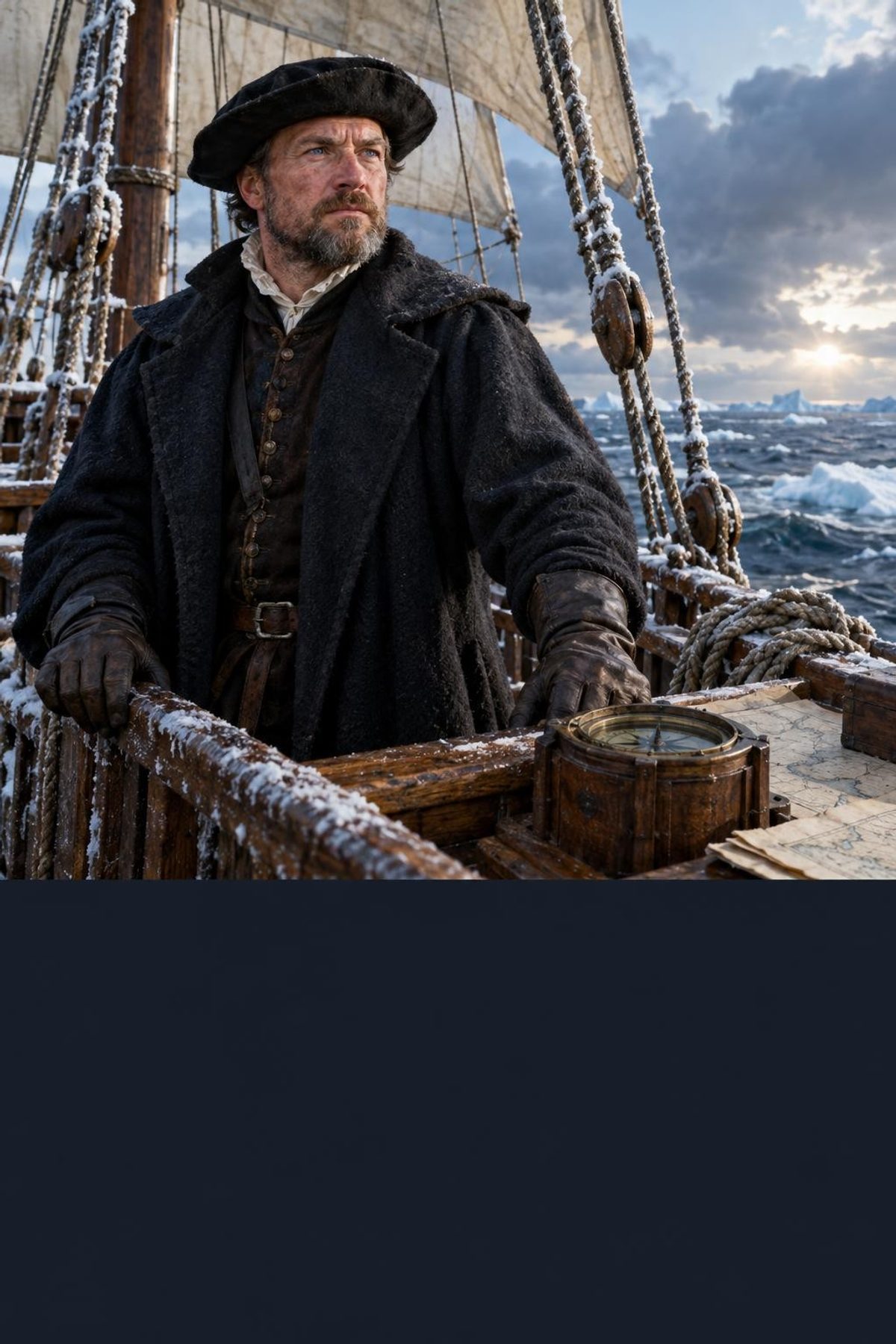
On a fateful day in 1553, Chancellor, alongside his compatriots, boarded three ships for this daring voyage. They sailed into the cold conundrum of the Arctic, a place shrouded in mystery and danger. The sea, treacherous and unforgiving, claimed two ships in a violent storm soon after departure. These vessels were never seen again, a stark reminder of the risks taken by those who dared to venture into nature's most unpredictable realms.
Read next: The Day Matthew Flinders Charted a Continent From a Leaking Ship
Yet, amid this loss, Chancellor's resolve hardened. He pressed on with his remaining ship, propelled by a vision not just seeking new routes, but unlocking a world far beyond what any Englishman could fathom. Historians often overlook this harrowing part of the journey—the grim choice to continue when fate seemed ominously against them. It is here that Chancellor's intrepid spirit shone brightest, navigating waters so cold that the sea foam turned crystalline.
The Land of Ivan the Terrible
Sailing further than any Englishman had ventured, Chancellor reached the icy shores of the White Sea, marking a pivotal moment in English exploration. Setting foot on the unknown coast, he realized they had made contact with Muscovy, an empire sprawling under the rule of the enigmatic Ivan IV, later known as Ivan the Terrible. Muscovy's snowy expanse was nothing like the bustling trade hubs of Asia they initially sought, yet Chancellor understood the significance of his discovery.
Here, Chancellor undertook an epic journey from the coast through the heart of Muscovy, navigating the icy rivers and dense forests to reach Moscow. This land, uncharted by his countrymen, offered a new axis of opportunity.
Imagine Chancellor striding into the court of Ivan the Terrible, a ruler notorious for his fierce demeanor and unyielding grip over his vast domain. His daring expedition not only forged new pathways but also initiated relations between England and Russia, an alliance that would ripple through history.
Human Hopes Meet Cold Reality
While the path to Asia remained elusive, Chancellor's journey was not in vain. It laid the groundwork for future Anglo-Russian relations, crucial to the fabric of European geopolitics. Chancellor returned to England with promises of trade, ushering in a fresh economic dialogue.
Read next: The Day Mungo Park Set Off Alone Into the Heart of Africa
His encounter with Ivan the Terrible underscored the potential of transnational commerce, transcending the limits of geography and culture. However, back home, Chancellor's success was tempered by uncertainty—victorious in discovery, but still questioned over the loss of the two ships.
His determination inspired others, though the Northwest Passage would elude explorers for centuries. Even so, Richard Chancellor ignited a spirit of exploration, where hope and curiosity met the stark reality of chilled winds and hazardous seas. His legacy would be absorbed by future explorers like Willoughby and Drake, men of a silver age of discovery, driven by whispers of Chancellor’s daring exploits in the Arctic realm.
The Echoes of Chancellor's Voyage
Chancellor’s journey remains one of the untold legends that shaped the dawn of English exploration. It was a tale not just of geographical discovery, but of the human condition, a saga etched into the icy frontiers of the Arctic. The courage to fall into the unknown, to face the specter of failure with unwavering tenacity, resonates with those who dare to push the boundaries of the possible.
As we reflect on Chancellor’s unwritten chapter of exploration—his meeting of impossible odds and opening dialogues with the once-distant Muscovy—it's a testament to the capacity of human ambition. Much like the captain who sailed on through the gale, history, too, charges onward, forging pathways from the treacherous passages of the past. Chancellor’s tale is a crystallized moment of adventurous spirit, a reminder that the unknown is waiting, as keen to be discovered today as ever.