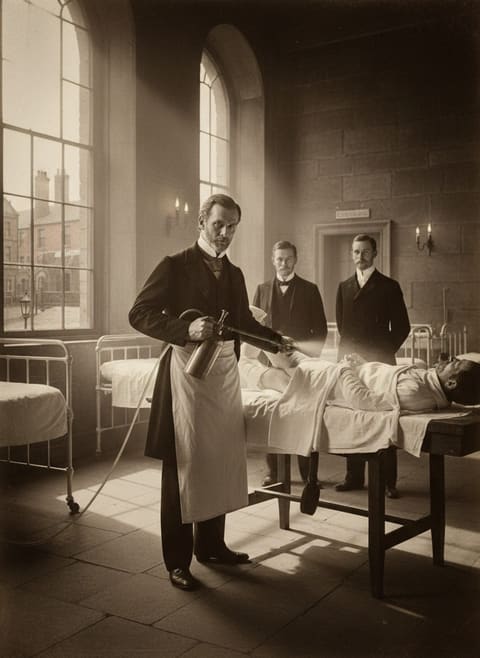
As the fog rolled over Marylebone, the air was thick with the usual smog of Victorian London. The narrow alleyways seemed to swallow the twilight, flickering gas lamps casting reluctant glows upon the cobblestones.
This was the underbelly of a city pulsating with the discord of wealth and destitution—a contrast that one determined young woman refused to accept. In 1865, Octavia Hill took charge of three crumbling houses here, not merely to repair bricks and mortar but to restore dignity to the impoverished inhabitants who had called these forlorn buildings home.
The Rotting Heart of Marylebone
Marylebone in the mid-19th century was a warren of decaying buildings and neglected lives. It was here that London's poorest lived in squalor, a testament to the indifference of a society preoccupied with its own prosperity.
The smell of damp and decay pervaded every room of the overcrowded tenements. Walls, once shelter, had become prison-like, with peeling wallpaper barely clinging to crumbling plaster. Octavia knew that these homes were a microcosm of a grander injustice: the neglect of a nation's most vulnerable citizens.
Read next: The Day Samuel Plimsoll Shamed Parliament Into Saving Sailors
As children played in filthy alleys, and the chatter of desperate tenants echoed through the cramped corridors, Hill took stock of her task. The state of these homes was more than an architectural failure; it was a human tragedy unfolding in the heart of London. The looming challenge required more than idealistic aspiration; it demanded action.
Building Dignity, Brick by Brick
With grit and determination, Octavia Hill set about transforming the derelict properties. She did not shy away from the physicality of the work, participating eagerly in repairs. Borrowed funds were judiciously used to mend roofs and shore up walls, while the yards were cleared of refuse and adorned with modest gardens. The transformation was as much spiritual as it was structural, with each flower planted offering proof that beauty could bloom against all odds.
Importantly, Hill insisted on collecting rents herself. It was not purely a matter of accountability; it was a bid to forge connections, to understand the very people she aimed to help. Her presence, steadfast and unassuming, encouraged respect and cooperation—a far cry from the aloofness of absentee landlords. In these personal encounters, rent became more than a transaction; it was a shared acknowledgment of the homes’ newfound value.
The Beginning of a Movement
Despite challenges, skepticism, and occasional resistance, Hill's approach uncovered a simple truth: the poor were not undeserving; they were neglected. Her modest endeavor in Marylebone bloomed into a movement that resonated throughout London and beyond. Hill's vision was revolutionary; she proposed that improving living conditions was not merely a charitable enterprise, but a fundamental right to dignity.
Read next: The Day Elizabeth Garrett Anderson Refused to Be Turned Away
Her efforts became the foundation of what we now recognize as social housing. By nurturing the tenements of Marylebone, Hill advocated for sustainable urban rejuvenation—a counterpoint to the era's rampant industrial exploitations. Her work provided not just homes, but hope, reminding a society wrapped in economic disparity of its moral obligations.
Why It Matters Today
Octavia Hill's mission was far more than reformist zeal; it was an affirmation of shared humanity that laid the groundwork for broader change. The societal seam between the rich and the impoverished, once patchy and fraying, was visibly mended by her interventions. Her legacy challenges us not to rest on our laurels but to confront modern inequities with the same vigor and compassion she showed.
Hill's Marylebone mandate echoes today, urging us to consider how we might deploy similar heart and hands in our contemporary landscape. As we ponder the contours of modern social responsibility, Hill's work reminds us that dignity need not be a privilege, but a universally afforded right—one we all hold the power and responsibility to uphold.