January 1265. A bitter winter wind swept through the streets of Westminster. Days were frigid and unforgiving, but for those summoning under the eaves of the grand hall, the chill was far from their minds.
Inside, Simon de Montfort was about to alter the course of English history. His grip on power was tenuous, and his actions risked the ire of the monarch, yet he dared to ask ordinary men to sit among England's elite, forging a path to greater representation.
The Earl Rebellion
In the politically fraught environment of 13th-century England, power tussles between monarchs and their barons were commonplace. King Henry III's reign saw many such clashes, but none so defining as his with Simon de Montfort, the Earl of Leicester. Simon, a brash and charismatic leader, had once been a trusted advisor to the king. However, their relationship deteriorated, fueled by grievances over royal finances and the influence of foreign favorites at court. Tensions simmered towards open conflict.
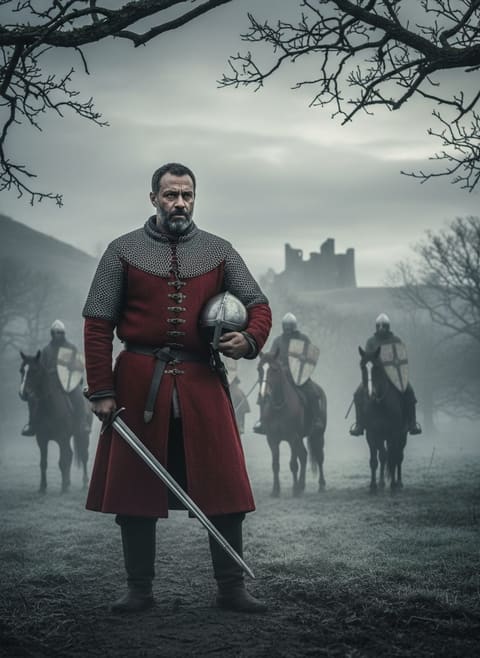
By 1258, dissatisfaction crystallized into meaningful action through the Provisions of Oxford, which sought to curb the king's powers by establishing a council of barons to oversee the monarch's decision-making processes. Despite occasional compliance, Henry III resented the constraints placed upon him and resisted implementation. The simmering discontent erupted into violence, leading to the Second Barons' War. Simon took up arms, eventually capturing the king in 1264 at the Battle of Lewes.
Read next: The Day a Hostage Boy Grew Up to Save England
As de facto ruler of England, Simon navigated a precarious political landscape, one where traditional loyalties couldn't be relied upon. His innovations weren't a wholesale rejection of the establishment; rather, they were based on necessity. Though he held the king hostage, Simon needed legitimacy for his rule. Thus emerged the revolutionary idea—to convene a Parliament that included not just the usual nobility but also common knights and burgesses from across the realm.
A Radical Assembly
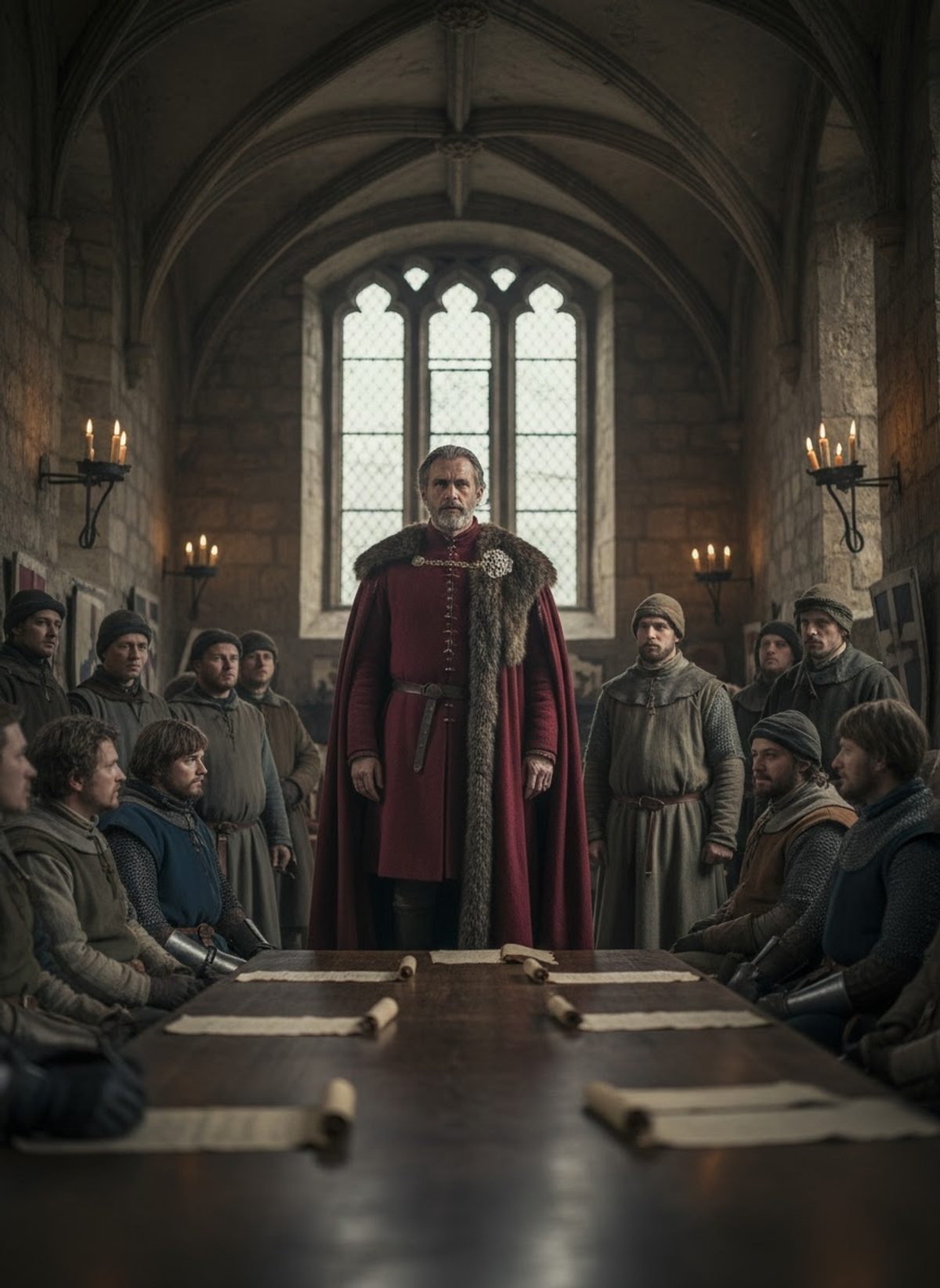
In January 1265, Simon sent out unprecedented summons to knights and citizens from all corners of England. These were ordinary men, far removed from corridors of power, suddenly called to share in the governance of the kingdom. The room at Westminster where they gathered was imposing, echoing with the weight of decisions that would resonate through the centuries. Under the heavy timber beams, Simon stoically presided over this radical convening.
This assembly wasn't entirely about altruistic inclusion. Practical considerations guided Simon's hand. He needed the support of lesser gentry and urban merchants who had grown wary of arbitrary royal taxation and mismanagement. Here was an olive branch, an opportunity for those who felt disenfranchised to voice their concerns at the highest level. In the months leading to this assembly, Simon became a master of realpolitik, deftly balancing the interests of various factions.
Historically, such official gatherings were exclusive domains of the landed nobility and powerful clergy, traditional power players with whom the monarchy negotiated. But by opening it to wider society, Simon transformed Parliament from an advisory council to a broader representative assembly. The implications were profound, redefining English governance. A seed was planted that would eventually grow into a robust parliamentary system incorporating voices beyond the traditional elite.
Read next: The London Workshop That Printed a Revolution in 1476
Seeds of Democracy
Simon de Montfort's Parliament of 1265 stands out, not for having created an immediate seismic shift, but for setting a precedent of inclusion that future rulers could not ignore. Though Simon's triumph was short-lived—he was slain in battle later that year at Evesham—his audacious experiment in broader representation left an indelible mark. His institution of shared decision-making emerged as a defining element of governance, despite the monarchy's attempts at reversing the tide.
In the years following Simon's death, the crown reinstated firm control, restoring traditional governance. However, a Pandora’s box had been opened. Simon’s Parliament underscored the potential for a balanced power that diverged from autocratic rule, serving as a model that future generations could expand upon. Over time, the concept of a more inclusive Parliament gained traction, advancing through diverse hurdles to become a cornerstone of modern democracy.
The rebellious earl's daring actions resonate through English history as a pivotal moment. Simon de Montfort's assembly revealed the strength in unity, the possibility of a government hearing voices beyond its palatial walls. Ordinary men had a seat at the table.
They began to envision a role in a broader political process, sowing the dreams of a more egalitarian society where royal wills could be challenged with legitimate claim. Without fanfare or immediate promises of revolutionary change, the Parliament of 1265 subtly rewrote the rules, reverberating through every strand of England's future generations.