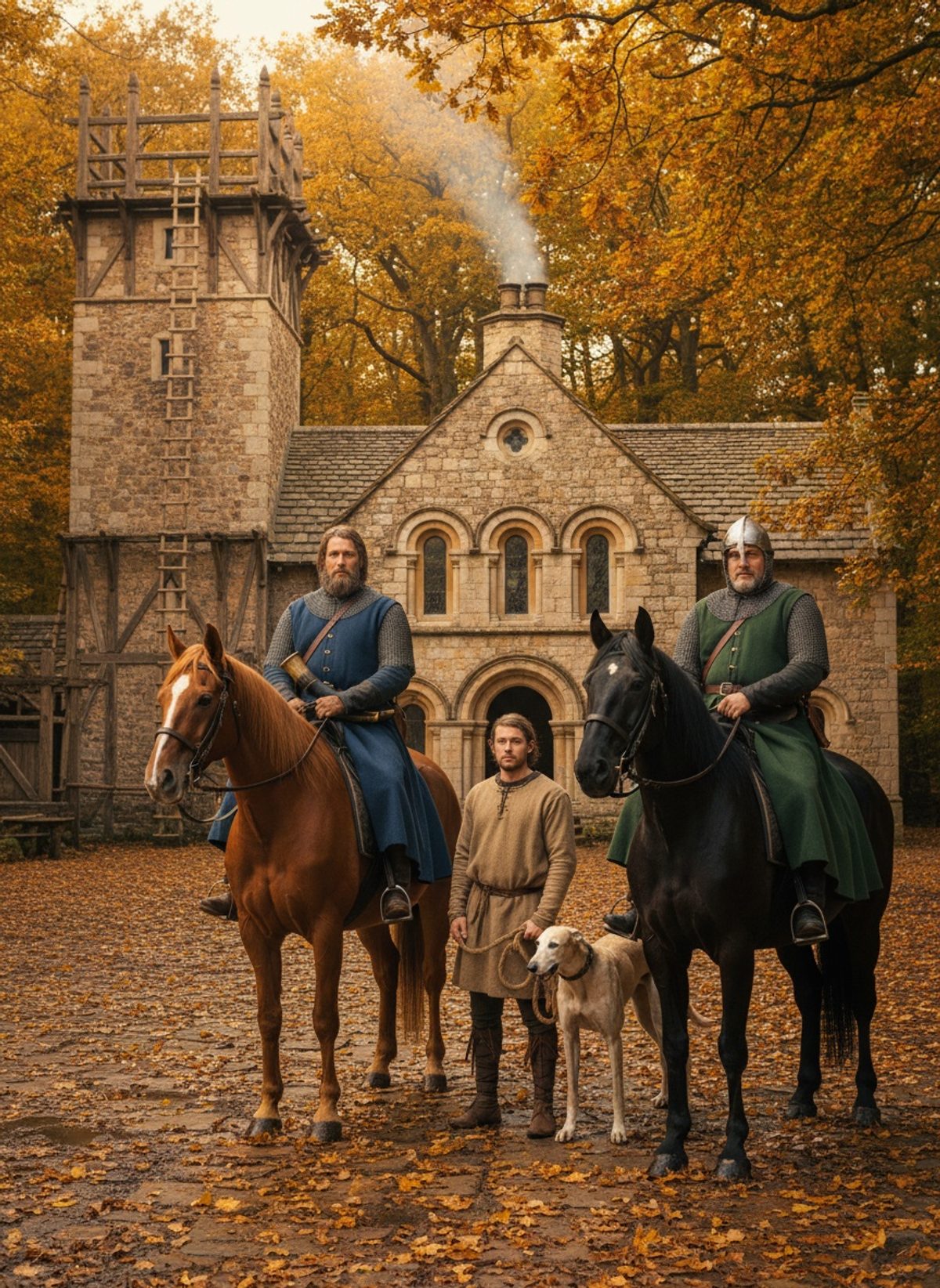
Clarendon once stood as the crown jewel of medieval hunting lodges. Today, it's a forgotten whisper within England's ancient woods.
The Autumn Throne
Picture a world where autumn is more than just a season – it’s an event. Every fall, for nearly 300 years, Clarendon Palace transformed from a dormant royal residence into England's bustling center of power. Kings, courtiers, and hunting enthusiasts converged here, driven by the thrill of the hunt and the allure of a royal gathering. The Great Hall reverberated with the voices of monarchs like Henry II, whose reign marked transformative moments within those storied walls. Here, amid the opulent tapestries and towering hearths, Henry II issued some of his most perilous laws, decisions that would echo through the annals of history.
Yet, Clarendon’s significance went beyond politics. It was where kings indulged their primal instincts, pursuing deer with a fervor that seemed almost ceremonial. This was no mere sport; it was a ritual that reaffirmed their sovereignty. The hunt symbolized not just dominion over the forest, but over the nation itself. For the nobles, participating in these hunts was both an honor and an opportunity to solidify their status within the royal circle. Clarendon’s expansive grounds thus played host to more than just deer—here, alliances were forged, and destinies entwined.
The Heartbeat of a Kingdom
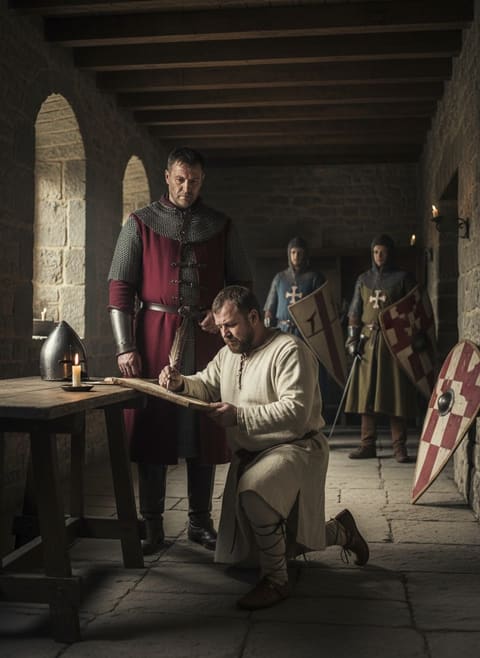
Clarendon wasn’t just about the hunt; it pulsed with the heartbeat of a kingdom. It was here, within its resilient stone walls, that King John, infamous for his contentious reign, would sign charters of notable significance. Historical accounts suggest that the Clarendon Palace was not merely an opulent retreat but a fulcrum for governance and legislation. These were times where decisions shaped the landscape of medieval England. As John inked charters, he was, in essence, forging the political framework of an era, often under the shadow of discontent or rebellion.
Read next: The Day a Knight Knelt and Gave His Life for a Boy King
Beyond the political, the daily life at Clarendon was a blend of elegance and temporal exigency. The architectural grandeur of the palace served as a backdrop to tales of courtly romance and political intrigue. As the gilded chandeliers cast playful shadows on the banqueting halls, the air was thick with strategy discussions and the clinking of goblets. Servants darted amidst elegantly clad courtiers, their swift feet echoing the urgency of duties. It was a place alive with the complexities of court life, a microcosm where the medieval world collided with the wildness of the surrounding forest.
When Silence Fell
Yet, like all grand tales, Clarendon’s story turned toward an inevitable end. The bustling life that once defined this palace drew to a quiet halt, and the forest began its slow reclamation. The deer, which had drawn the royal parties year after year, vanished into the misty recesses of the woods. Without their presence, the royal throng dissipated. The absence of the hunt left Clarendon bereft, its halls emptier with each passing year.
Read next: The Day a London Crowd Smashed Their Own Cathedral Window
Nature, initially held at bay by the will of kings, began to encroach, filling the spaces where once only nobility dared tread. Roof beams rotted, stones crumbled, and walls succumbed under the pressure of time and neglect. Trees took root in foundations laid by medieval ambition, converting the palace into a forgotten relic. The once-magnificent symbol of kingly power became an arboreal mosaic, where foliage now danced in the breeze above fallen rooms.
As the forest finally enveloped Clarendon, it became a testament to the ephemeral nature of human dominance. This tale, hidden within England’s verdant landscape, reminds us that even the mightiest can fade. What was once the heartbeat of a kingdom now echoes with the quiet humility that only history can teach. Through Clarendon, we glimpse a moment when nature took back what time and kings had once claimed, leaving us to ponder humanity's enduring dance with the natural world.