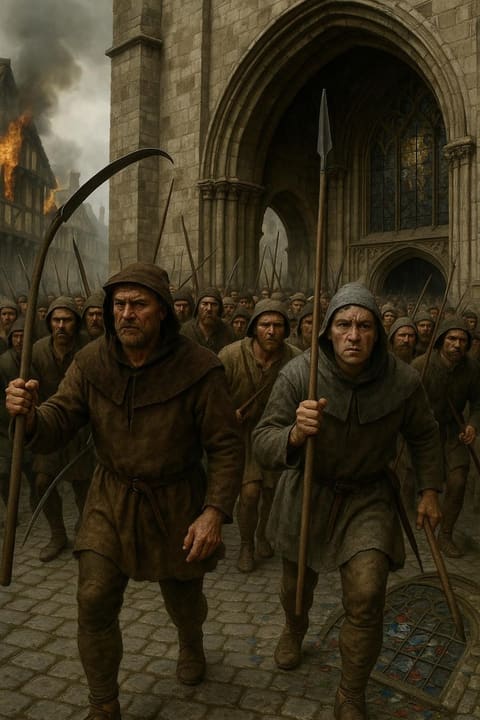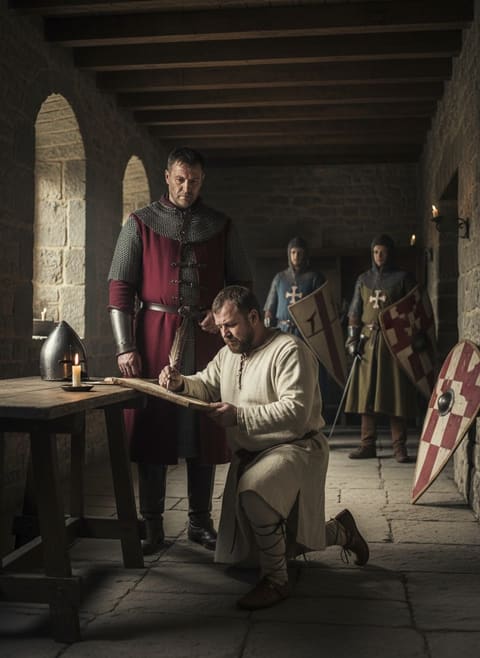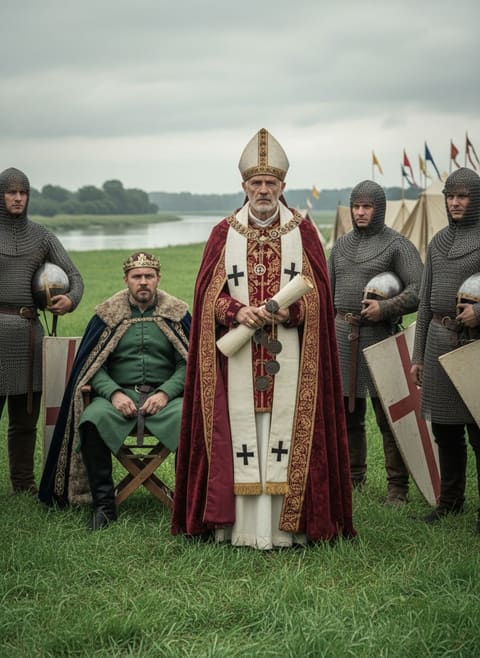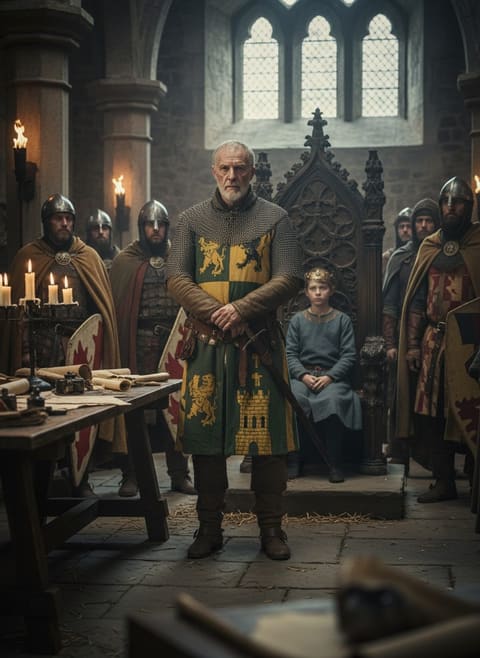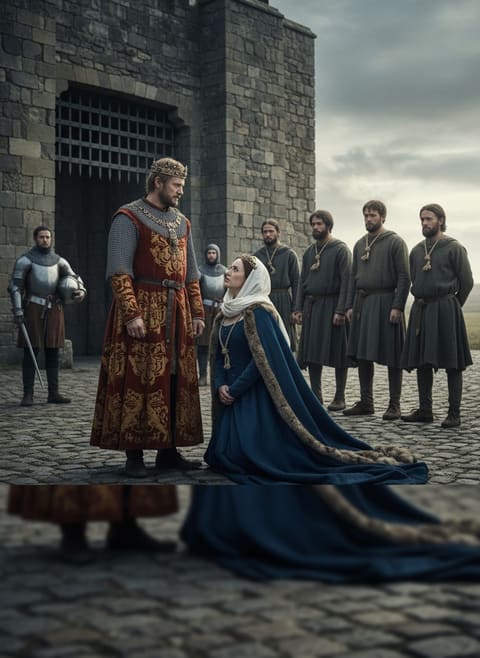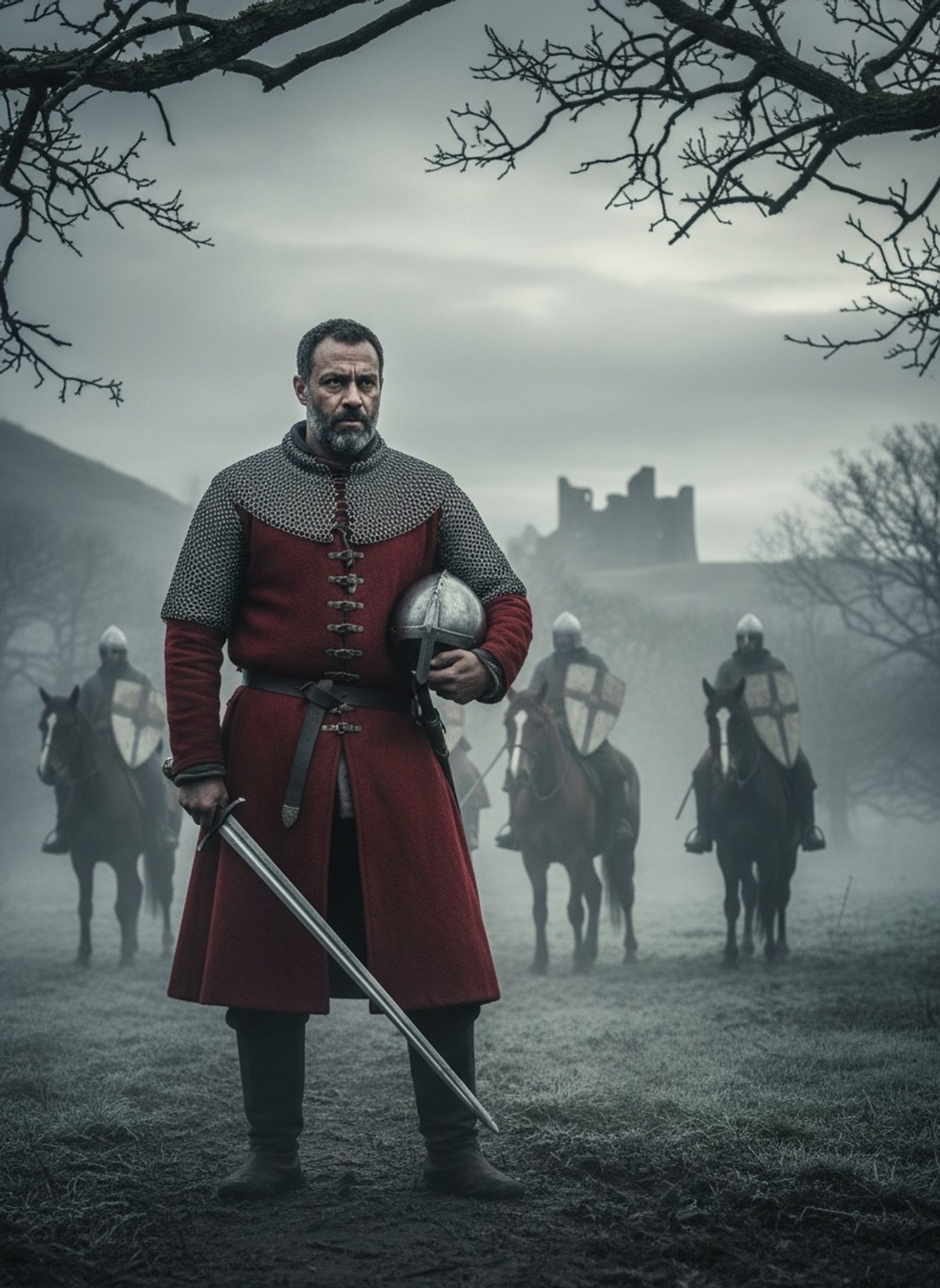
He wore no crown yet ruled a kingdom at his feet. Loywelyn ap Gruffudd was a prince bound by the weight of a nation's dreams.
The Rise of a Prince
The Welsh rain fell heavy and unrelenting the day Llywelyn ap Gruffudd met destiny. Standing firmly amidst the hills and valleys, he was more than just another ruler in a land renowned for its division. By the mid-13th century, Welsh princes rose and fell with regularity akin to the tides. Yet, Llywelyn, carved from the adamantine stone of Gwynedd, was different. With cunning not typical of his age, he managed the unthinkable: the unification of the fractious Welsh kingdoms into a singular force to be reckoned with.
This momentous achievement was no minor feat. Through shrewd alliances and decisive battles, Llywelyn bound the tribal chieftains under the banners of his vision—an independent Wales. His audacious diplomatic ventures culminated on an epochal day in 1267 when the Treaty of Montgomery was inked. This treaty finally proffered what no other Welsh leader had received from the English crown: recognition as the Prince of Wales by King Henry III of England himself. The seal of such a title was a double-edged sword, a token of respect amid wary inclusion under English influence.
Edward I: The Unforgiving Adversary
Llywelyn's unprecedented ascent was matched by equally formidable challenges since, not long after, an imposing shadow rose from England's Anglo-Norman heartland—Edward I. Known later as 'Longshanks,' Edward's reputation for war and dominion was already foretold. The fierce guardian of English royal prerogative, he inherited his father's apprehensions about the Welsh principality's burgeoning power.
Read next: The Betrayal That Handed England to the Tudors
When the crown settled upon Edward's ambitious brow in 1272, the balance of power began to teeter. Known for his military acumen and vision for a united British Isles, King Edward saw Llywelyn not just as a peer, but as an impediment. The accords and treaties binding Wales to England were now embattled territories on the chessboard of medieval politics.
Edward cautiously watched as Llywelyn consolidated his power and courtly alliance with Simon de Montfort's family—a declaration of affinity that made him a target of resentment from the English nobles. It is within this cauldron of brewing discord that the simmering tensions finally reached their crescendo.
The Field Unforeseen
In 1282, the air within Wales was charged with the expectancy of liberation. Llywelyn ap Gruffudd knew this chance might be his last. A call to arms rang out as he rode south, summoned by the clarion of rebellion against the oppressive English presence within his dominion. With the fervor of ancestral spirits beseeching their sons to fight, Llywelyn delivered his final campaign—a flash of steel in an unforgiving land.
Fate, however, can be capricious. It was in a most unexpected locale, the village of Cilmeri, beside the River Irfon, that the last native Prince of Wales met his end. On December 11, 1282, Llywelyn was not in the grandeur of battle but ensnared on the cusp of betrayal and a tragic skirmish, outwitted by English forces. Llywelyn fell, not as some opulent sovereign in a grand melee, but as a solitary figure under the grey Welsh sky, his dynasty extinguished in its premature dawn.
Read next: The Day a Knight Knelt and Gave His Life for a Boy King
His death was not just the end of a man but the shattering of a vision. The dreams of a Welsh domain free from English shackles dissolved, like mist under morning light. The sword that silenced Llywelyn's life severed Wales’ hopes of self-determination for generations yet unborn.
The Echo Through Ages
Despite his fall, Llywelyn ap Gruffudd's shadow stretches long across history's canvas. The title of Prince of Wales would endure, though on English princes, not Welsh ones—a poignant twist of fate resonating to this day. His life endured in poems, ballads, and the long-held memories of a people who still sang of their last prince with a reverence clinging to the edges of legend and reality.
Llywelyn's story, though embers now, still glows in the Welsh spirit, lingering as a testament to resilience and the enduring fight for identity against overwhelming odds. In every Welsh castle ruin and tale told by the hearth, the echoes of his noble ambition refuse to die. His is not merely a story of conquest or vanquishment, but of a profound yearning for a place in the chronicles of sovereignty.
As we reflect upon the untrodden paths of history, Llywelyn's ephemeral triumph and tragic demise serve as a compelling reminder of the ever-turning wheel of fortune, the beauty of defiance, and the ever-ambitious heart of nations yearning to be heard.