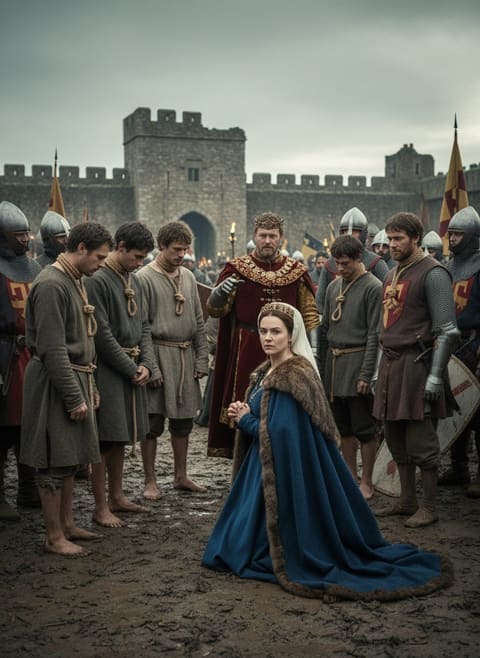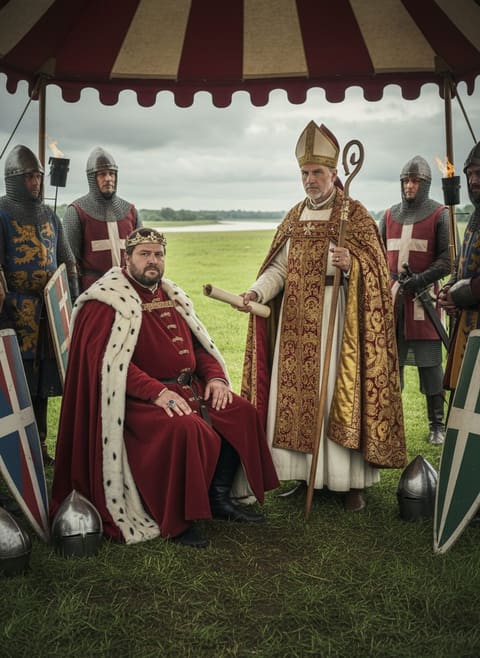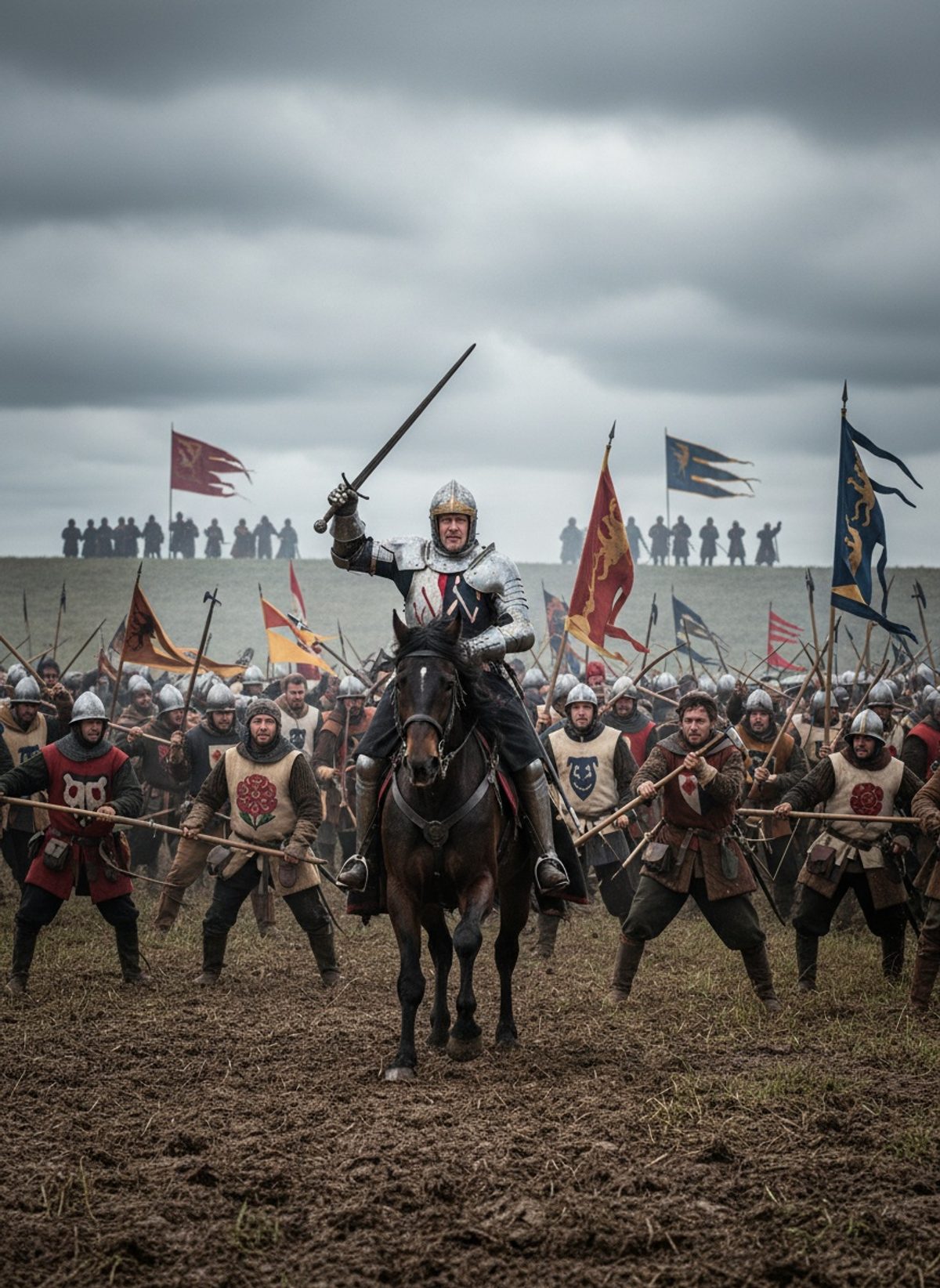
The clang of steel rang sharply across the battlefield as Richard III plunged into the chaos, his armor gleaming defiantly under the gray English sky, defying fate with each ferocious blow. Richard's target was in sight: Henry Tudor himself, the man who dared to challenge his crown. But as his horse galloped into the heart of the mêlée, Richard’s focus shifted — the uncertain allegiance of the men flanking his army would soon decide the destiny of England.
The Calculated Gambit: Drama on the Flanks
On August 22, 1485, the sprawling countryside of Bosworth resonated not only with the clash of arms but with the tension of an unspoken gamble. As Richard’s forces arranged on the field, the Stanley family — a power in their own right — sat with thousands of troops on the sidelines, their loyalties murky and intentions unclear to all but themselves. With a foot in both camps, Thomas Stanley, the Earl of Derby, and his brother William might have been considering the ramifications of betrayal, but they certainly held the tactical advantage.
The Stanley family’s allegiance was a precarious affair. Margaret Beaufort, Henry Tudor’s mother, was married to Thomas Stanley, tying the family to the Tudor cause in blood if not in spirit. Yet, for years, the Stanleys had maneuvered within the shifting alliances at the heart of England’s wars, always keeping their own prosperity foremost. As Richard advanced into battle, the specter of betrayal lingered like an unseen hand hovering over him.
The Turning Point: Treachery Unveiled
As midday approached, Richard III threw himself into the fight with wild audacity. With a fierce determination, he cut through enemy lines, targeting the heart of the Tudor forces. Witnesses would recount his lion's roar, as the king personally felled Henry's standard-bearer, a move meant to instill fear and disorder within the ranks. His focus remained steadfast, as if his sheer will could forestall fortune’s turning wheel.
Read next: The Day a London Crowd Smashed Their Own Cathedral Window
But amidst the din of battle, a shift began. At a signal undisclosed to Richard's loyalists, the Stanleys made their fateful decision. Thousands of their men surged forward, casting their allegiance decisively with Henry Tudor. What had been a battle with perilous but manageable odds transformed in an hour into a decisive defeat. The betrayal unstitched the fabric of Richard's defense, leaving him vulnerable amidst an unrelenting onslaught.
The Final Stand: A Kingdom Lost
In those frantic moments, courage and prowess became no match for the betrayal that enveloped Richard's force. Attempts to rally his men proved fruitless; the new tide against him grew too strong. The king who fought bravely to maintain the Plantagenet lineage found himself entirely encircled, his men overcome by the sudden influx of Stanleys: from allies now juxtaposed to adversaries.
Read next: The Norman Who Rewrote England's Language in a Single Decree
The battlefield morphed into a grim theater of destiny, each fall of the sword echoing the collapse of Richard’s reign. Isolated, Richard met his end not as a tyrant of infamy but as a warrior king, fighting to his last breath. Yet, it was not the skill of his opponents but the shrewd, calculated betrayal that sealed his fate. An ironic reiteration of a world where loyalty was a rare and fragile thing.
Why This Betrayal Matters
The outcome of Bosworth not only marked the end of Richard III’s life but also closed the chapter on the Plantagenet dynasty. With the crown placed upon Henry Tudor’s head, his triumph paved the way for the Tudor era, reshaping the course of English history. The implications of the Stanley betrayal resonate through time, reminding us of the impact a single family’s pivot can have on a nation’s future.
The betrayal on Bosworth Field serves as a stark reminder of the intricate dance of power, where survival often necessitated moral sacrifice. It was a lesson in political maneuvering, underscoring that victories and defeats in history are not always the result of prowess or courage alone but are frequently decided in the minds and choices of shrewd strategists. Indeed, this singular moment shaped the nation’s lineage, leaving a legacy both bloody and transformative — one largely left to the untold recesses of Britain's rich historical tapestry.