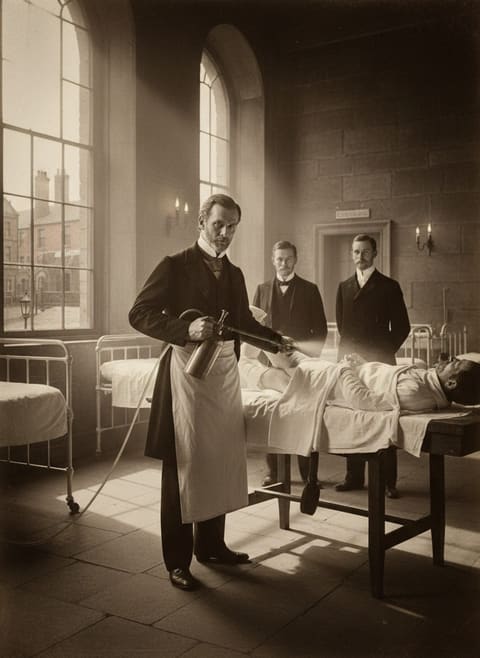
In the sultry summer of 1865, the air in East London was thick with more than just the pollen of ragwort and dock leaves. The streets of Whitechapel were shrouded in an almost eternal dusk, the narrow alleys rimmed with half-dead gas lamps flickering a feeble light. Sounds of shouting, the clamor of clattering cart wheels, and distant church bells set an unsettling symphony.
At this time and place, most would avert their eyes from the squalor, but not William Booth. When he stepped into this labyrinth of despair, he was prompted by more than just curiosity; he was driven by a belief that would shatter Victorian decorum. He saw souls forgotten by a city that prided itself on empire and industry, and he refused to turn away.
The Heart of Darkness
A place known for its faceless multitudes and unspeakable poverty, East London was considered the nadir of the capital's social sprawl. Penury cast deep shadows over its cobblestones, where gin palaces tempted the impoverished with cheap escape. Here, huddled masses inhabited hastily constructed lodgings, where disease thrived and decency withered. Confronting this dire need, William Booth saw not vice but affliction. This transformed his sympathy into a commitment that baffled peers of his own social standing.
He arrived in Whitechapel with no practical resources—no wealth, no backers, no grand premises to shelter those in need. Instead, his sanctuary was a tent pitched in the heart of a burial ground known for its pauper graves. While such a location seems macabre, the ground held a certain sacredness for Booth. He called it God’s acre, fertile not with decay, but with the potential for redemption.
Read next: The Day Samuel Plimsoll Shamed Parliament Into Saving Sailors
A Growing Camp of Confessors
Booth's mission was simple in essence but revolutionary in practice: take the church out of its sanctified walls and place it amid the bustling squalor. Every evening, beneath the sway of tentative lantern light, he preached his message to an audience that society had long since traded with neglect. Drunks sat on the outskirts, their eyes flickering with a kind of renewed vitality; prostitutes who knew sanctuary as only whispers of hope in their dreams listened earnestly.
Rather than merely sermonizing, Booth sought tangible change. Every gathering became more than a sermon; it was a rallying call to action. Children, women, and men found respite and, often for the first time, realized that someone saw more than their weary rags or their longstanding grievances against fate. Within the cacophony of the tent, testimonies of struggle turned towards beginnings of change.
The Army Begins to March
What unfolded was an unlikely transformation as the humanitarian outreach became organized. From simple beginnings, the tent in Whitechapel morphed into a network of organized shelters and support systems. This was not a venture in piety but public service, akin to streamlining charity into the machinery of a burgeoning welfare ecosystem. Booth named his endeavor The Salvation Army, a moniker that captured the essence of campaign against destitution.
Read next: The Day Elizabeth Garrett Anderson Refused to Be Turned Away
By 1885—nineteen years after he first stepped onto the sunless streets—his 'army' was an intricate organization that boasted an impressive portfolio of social services. From soup kitchens to employment bureaus, the breadth of their operation was staggering. They fed the hungry, rehabilitated drunks, and shepherded fallen women to safer harbors. An imposing feat achieved not through conquest, but compassionate conviction.
Legacy of Light Amid London's Darkness
Though fewer gaslights illumine today’s East London streets, the footprint Booth left behind endures. His legacy remains an indelible part of the fabric of humanitarian history, a blueprint for compassionate intervention. The Salvation Army became a force, not just in London, but around the world. Society, once ill-adjusted to stare directly into its darker recesses, had found a powerful lens of hope in Booth’s work, replicating his social enterprise in countless cities beyond Britain.
The virtues Booth championed reverberate today with a haunting relevance. From the distance of years, his work cuts across the centuries, reminding us that no society is beyond the need for compassion. If anything, Booth's journey into the heart of darkness became a navigation through obscurity into undeniable, transformative light. We are left pondering the miseries overlooked in our midst and challenged to find within ourselves a glint of Booth's unwavering heart.