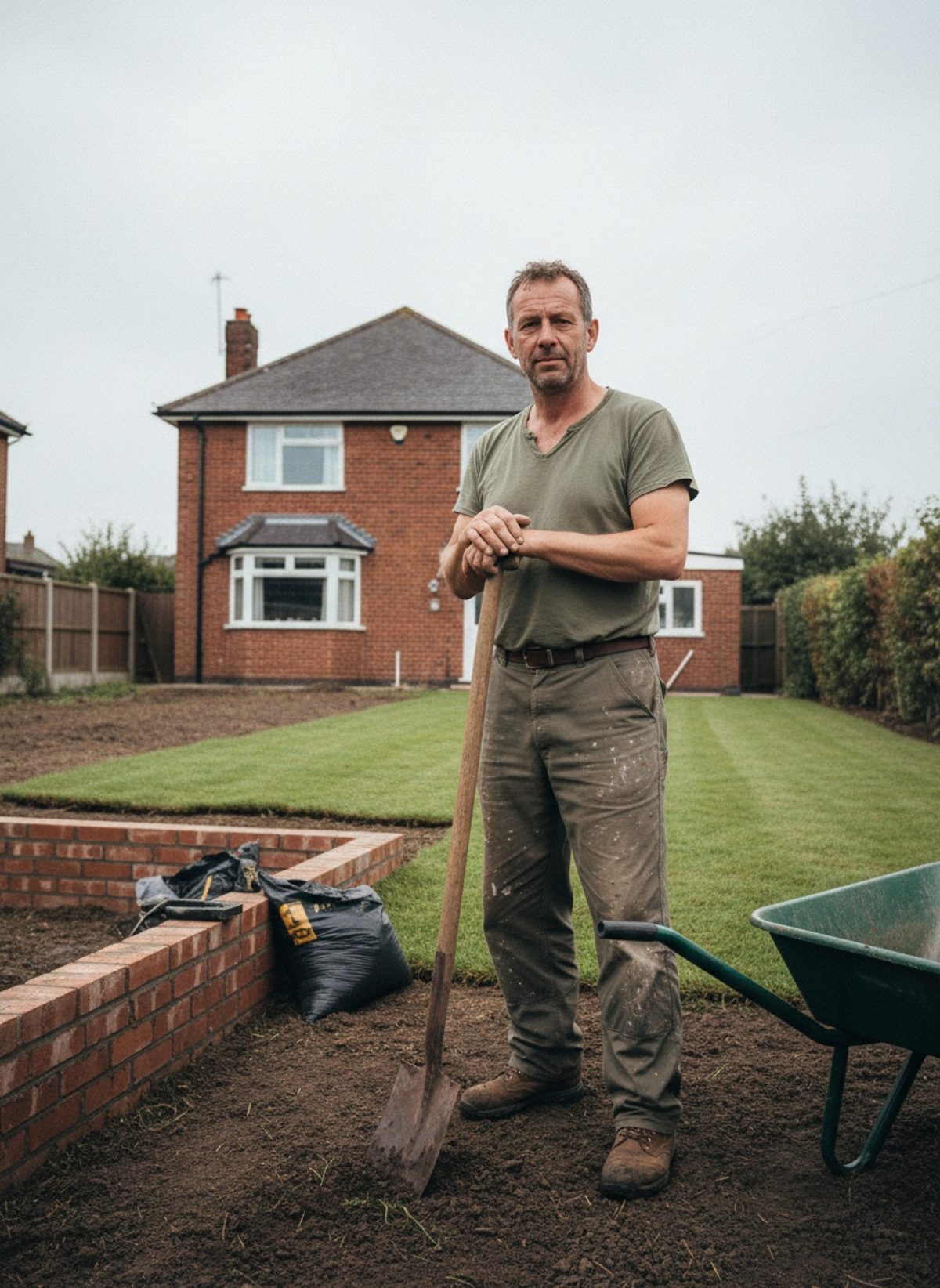
March 15, 1996. The morning sun shimmered off the dew-soaked gardens of Hackney.
A Chance Encounter
In the bustling heart of Hackney, a modest builder was knee-deep in the renovation of an old townhouse. His hands, worn yet precise, deftly worked their magic on weathered bricks and timorous frames. On that particular day, a new client—a BBC producer with an eye for potential—was paying a visit. She observed his seamless craftsmanship, impressed not just by his skill but by the immersive world he seemed to conjure around him.
At first sight, this builder seemed an unlikely candidate for television stardom. His realm was neighbors' roofs and gardens, not the screens of millions. Yet, there was something undeniably captivating about the way his creativity flourished in the gardens he designed. Graced with a vision for transformation that extended beyond mere repairs, he evoked a natural beauty that was both striking and comforting. It was here, amidst the challenge of renovation, that the foundation for a television phenomenon began.
When the idea was broached—a show about revitalizing gardens—his response was hesitantly polite. Television seemed a world apart from the one he inhabited, and it took three proposals before he cautiously agreed. However, what emerged from that fateful encounter would alter the landscape of British television and, indeed, the way an entire nation viewed its own backyards.
Read next: The Estate That Burned — and What Britain Did Next
The Garden Revolution
In the spring of 1997, the BBC introduced "Ground Force" to the nation. The format was deceptively simple: a team would transform a mundane garden into a vibrant oasis within 48 hours. It was a rapid makeover, charged with both the urgency of the ticking clock and the thrill of unexpected surprises. The builder from Hackney found himself at the show's heart, bringing to life the visions that had previously been his private joy.
What set "Ground Force" apart was not just the transformative power of its garden revamps but its impact on British culture. Before the show, gardens were often an overlooked patch of land, functional but uninspired. The show redefined them as personal sanctuaries, spaces of beauty and reflection accessible to everyone. More than just a program about gardening, it was about democratizing creativity, inviting viewers to reimagine their little pieces of nature.
For many viewers, the Hackney builder became an emblem of what was possible with a bit of sweat and soil. His pragmatic approach and genuine enthusiasm resonated with a public craving authenticity. With each episode, the audience grew, driven by the electric thrill of transformation and the character-driven charm that the team radiated.
The Rise to Fame
The popularity of "Ground Force" skyrocketed beyond any initial predictions. By the height of its success, the show was drawing in regular audiences of up to 12 million. The builder became a household name, his genuine demeanor and visible passion for the work endearing him to millions. Alongside him, the team formed a dynamic trio whose chemistry was both entertaining and inspirational.
As the show captivated viewers, it also spawned a swirl of books, merchandise, and public appearances. The builder, once a modest craftsman of Hackney, found his persona sought after in bookstores, on television endorsements, and speaking engagements. Yet, what remained consistent was his roots in the earth, the gardens calling to him with an unending siren song. He never strayed from the essence that had captured the BBC producer's eye on that day in 1996.
Read next: The Quiet Liverpool Clerk Who Became British Comedy's Dark Heart
Behind the scenes, the show unearthed unsung legends—those quiet, backyard victories that celebrated the amateur gardener's spirit. "Ground Force" was not just about the glamorous reveal, but about dispelling the myth that transformation was limited to the knowledgeable few. The builder’s story became that of everyman resilience, carrying with it the scent of freshly turned earth and promise of bloom.
The Lasting Impact
Though "Ground Force" eventually concluded its memorable run after nine years, its impact on British culture lingers. The builder who once hesitated at the prospect of television permanence had become the face of a cultural awakening. Through him, the British public found both the encouragement and inspiration to look beyond their fences, envisioning each garden as a blank canvas for creativity.
Ultimately, this story serves as a reflection on the unexpected intersections that can entirely change one's trajectory. It underscores the value of following intuitive leads and embracing opportunities outside one’s comfort zone, challenging stereotypes of what a builder—or indeed any person—can achieve. The narrative, rooted in that dewy March morning, is a testament to the playful powers of chance encounters, creativity, and the transformational struggle of man versus garden.
The Hackney builder's tale is more than a step into the limelight; it's a reminder of the power of passion when given room to grow. For those who stopped to watch, and even those who have only heard its echoes, it remains a compelling illustration that sometimes the most impactful journeys begin in the humblest of settings—right in one’s own backyard.